Free Shipping Over $100 · Satisfaction Guarantee · Handcrafted by Artisans


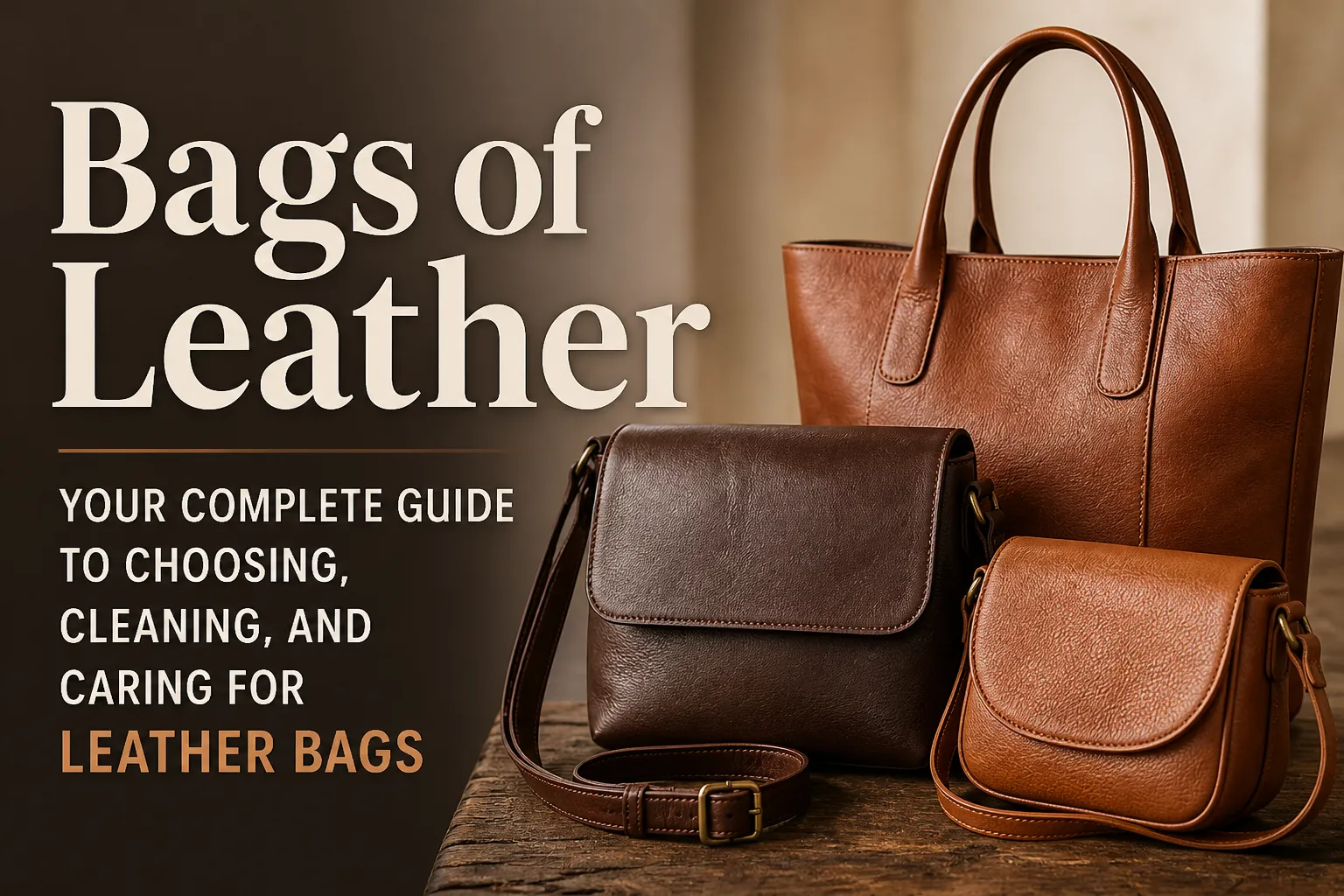
There is a reason bags of leather have been the material of choice for centuries — long before synthetic alternatives existed, and long after they arrived. Leather is one of the few materials that genuinely gets better with time. A quality leather bag does not just survive daily use — it evolves, softens, and develops a character that no factory can replicate.
But owning a leather bag comes with a responsibility that many buyers overlook: care. The same natural properties that make leather beautiful — its porosity, its ability to absorb oils and moisture, its living texture — also mean it needs attention. A well-cared-for handmade leather bag will reward you with decades of service. A neglected one will dry out, crack, and age far faster than it should.
This guide covers everything you need to know — from choosing the right leather bag to keeping it in exceptional condition for years to come.
What Makes a Quality Leather Bag Worth It
Not every leather bag is built to last. The difference between a bag that serves you for twenty years and one that disappoints within two comes down to three factors: the leather, the construction, and the craftsmanship.
The Leather
The grade of leather determines the foundation of everything. Full grain leather — the highest grade — uses the outermost layer of the hide with the natural grain left intact. No sanding, no buffing, no artificial correction. This preserves the hide’s tightest fibre structure, giving the leather maximum strength, breathability, and the ability to develop a rich patina over time.
Lower grades like genuine leather use the weaker inner layers of the hide, which are heavily processed and coated to look presentable. They deteriorate far faster and cannot be reconditioned effectively once they start to fail.
When shopping for quality leather handbags, always look for the specific grade. A product labelled simply “leather” or “genuine leather” without further detail is almost certainly not full grain.
The Construction
Quality leather handbags are defined by their construction as much as their material. Look for even, tight stitching — ideally hand-stitched or saddle-stitched, where each stitch is independently locked. Check that edges are finished (burnished or sealed), that hardware is solid metal (brass or stainless steel), and that the interior lining is durable fabric rather than cheap synthetic.
The Craftsmanship
Handmade leather bags carry a level of attention that mass production cannot match. Each piece is cut, stitched, and finished by hand, which means tighter tolerances, better alignment, and more careful quality control. This is why handmade bags consistently outlast machine-produced alternatives — and why the best leather goods are still made by skilled artisans rather than automated assembly lines.
At BagsinLeather, every bag in our leather goods collection is handcrafted from full grain leather — because we believe the material and the craft should match.
Finding the Right Everyday Bag
An everyday bag needs to do everything well. It should be the right size for your daily essentials, comfortable to carry for hours, and versatile enough to move between different settings without looking out of place.
For Work and Professional Settings
A leather briefcase or leather work bag provides structured, professional carry with room for a laptop, documents, and daily accessories. For a more relaxed workplace, a leather messenger bag or leather satchel offers the same capacity with a softer silhouette.
For Daily Errands and Casual Use
A leather tote bag is the most effortless everyday option — open-top, generous capacity, and zero fuss. A leather crossbody bag works best when you want to stay hands-free and carry only the essentials. Both styles transition seamlessly from errands to coffee to an impromptu lunch.
For Travel
A leather duffle bag or leather weekender handles overnight and weekend trips. For longer journeys, a leather travel bag or leather backpack distributes weight evenly and keeps everything accessible.
The best everyday bag is the one that matches your routine. Think about what you carry, where you go, and how you want to look getting there. For a detailed breakdown of how to match bag styles to your needs, read our complete buyer’s guide.
How to Take Care of a Leather Bag
Taking care of a leather bag is simpler than most people think. Leather is a resilient natural material — it does not need constant fussing. But a few regular habits make the difference between a bag that ages beautifully and one that dries out and deteriorates.
Condition Regularly
Leather is skin. Like all skin, it needs moisture to stay supple and flexible. A quality leather conditioner replenishes the natural oils that keep the fibres from drying out, stiffening, and eventually cracking.
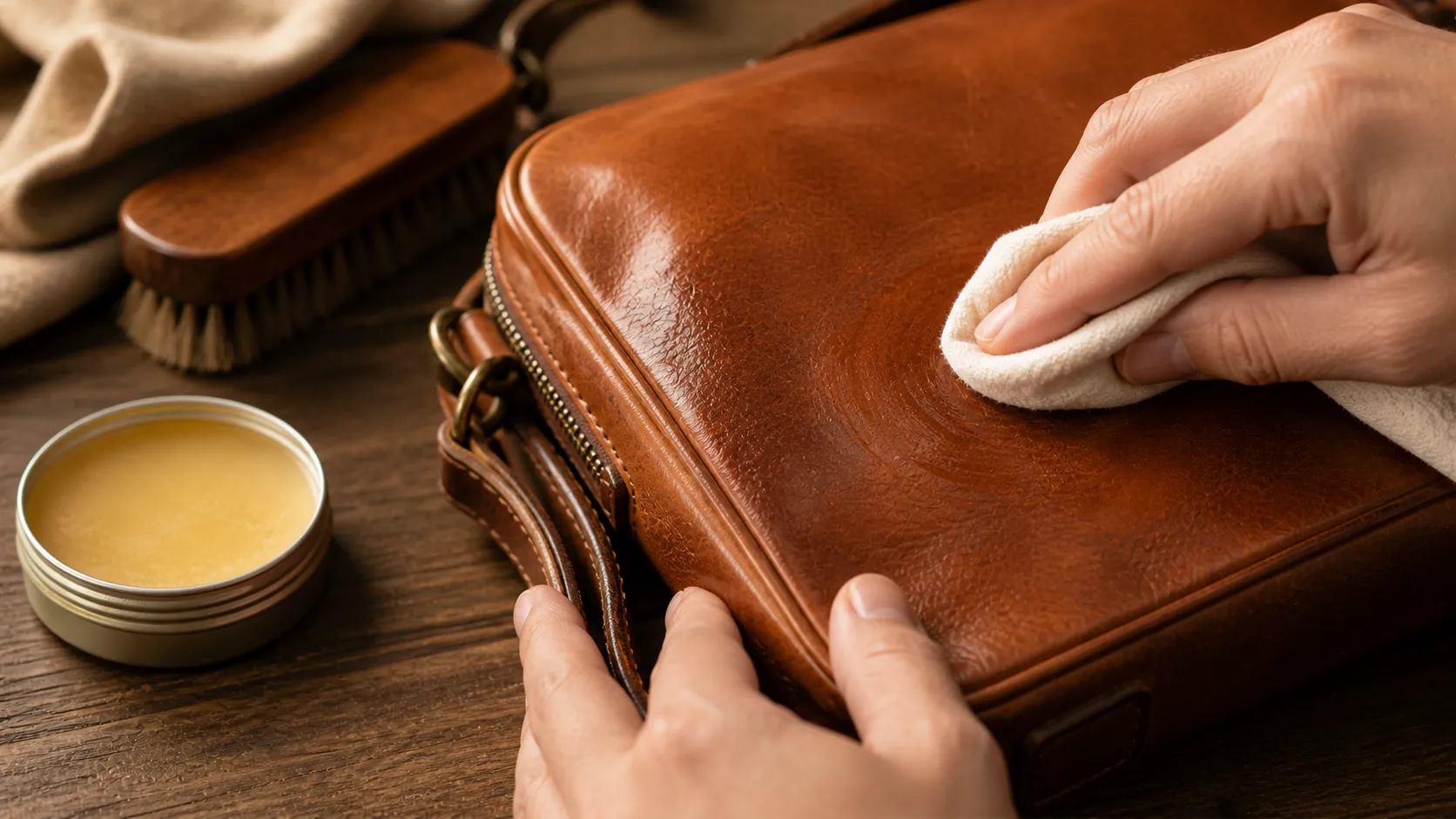
Apply a thin layer of conditioner to a soft cotton cloth and work it into the leather in gentle circular motions. Cover the entire surface, paying extra attention to areas that flex frequently — around closures, along folds, and at the base of handles. Let the conditioner absorb for ten to fifteen minutes, then buff away any excess with a clean, dry cloth.
How often you condition depends on your climate and how heavily you use the bag:
- Normal use, moderate climate: Every 3–6 months
- Daily use, hot or dry climate: Every 2–3 months
- Light or occasional use: Every 6–12 months
Use a conditioner with natural ingredients — beeswax-based balms and natural oil formulas work best with full grain and vegetable tanned leather. Avoid silicone-based products, which seal the surface and prevent the leather from breathing.
Protect From Water
Leather and water are not enemies, but they are not friends either. If your bag gets wet, blot the moisture immediately with a clean, dry cloth — never rub, which pushes water deeper into the fibres. Let the bag air dry at room temperature, away from direct heat sources (radiators, hair dryers, direct sunlight). Once dry, condition the leather to restore lost moisture.
For proactive protection in wet climates, apply a leather-safe water-repellent spray. Beeswax-based protectants create a natural barrier that works particularly well on full grain leather without compromising breathability.
Handle With Clean Hands
This sounds simple, but it matters. Oils, lotions, and dirt from your hands transfer to leather over time. While natural hand oils actually contribute to healthy patina development, sunscreen, hand cream, and food residue can leave stains — especially on lighter-coloured leather. A quick hand wash before handling your bag goes a long way.
How to Clean a Leather Bag
Regular cleaning prevents dirt, dust, and grime from settling into the grain and dulling the leather’s natural beauty. The key is to clean gently and avoid anything that strips the leather’s natural oils.
Routine Surface Cleaning
For general upkeep, wipe the entire exterior with a soft, dry, lint-free cloth every few weeks. This removes surface dust and prevents build-up. A microfibre cloth or clean cotton rag works perfectly.
For slightly deeper cleaning, dampen the cloth with clean water — just damp, not wet — and wipe the surface in gentle strokes. Follow immediately with a dry cloth to absorb any excess moisture. This simple routine is enough for most bags most of the time.
Removing Stains and Marks
Different stains require different approaches:
- Ink stains. Dab (do not rub) with a cotton ball lightly moistened with rubbing alcohol. Test on an inconspicuous area first. Work from the outside of the stain inward to prevent spreading.
- Oil or grease marks. Sprinkle a small amount of cornstarch or baking soda onto the stain and leave it overnight. The powder absorbs the oil. Brush it away gently the next day with a soft brush.
- Water marks. Dampen the entire panel of leather evenly with a lightly wet cloth so the watermark blends into a uniform tone. Let it dry naturally and condition afterward.
- Scuffs and scratches. On full grain leather, minor scuffs often blend naturally into the developing patina. For more visible marks, rub gently with a clean fingertip — the warmth and natural oils from your skin can help the leather’s surface fibres resettle. A light application of conditioner also helps.
What to Avoid
Never use household cleaners, bleach, ammonia, acetone, or abrasive products on leather. These strip the natural oils, damage the finish, and can cause irreversible discolouration. Stick to products specifically formulated for leather care — or simply use a damp cloth and a quality conditioner.
How to Clean the Inside of a Leather Bag
The interior of a leather bag collects crumbs, dust, pen marks, makeup residue, and general debris over time. Cleaning it regularly keeps the bag fresh and prevents damage to the lining.
Empty Everything
Remove all items, including everything from inner pockets and zip compartments. Turn the bag upside down over a bin and shake gently to dislodge loose debris.
Vacuum or Lint Roll
Use a small handheld vacuum with a soft brush attachment to gently remove dust and crumbs from the lining and seams. A lint roller also works well for fabric-lined interiors.
Spot Clean the Lining
For fabric linings (cotton, canvas, or polyester), dampen a clean cloth with a mild soap and water solution — a drop of gentle dish soap in warm water is sufficient. Wring the cloth until it is barely damp, then gently wipe the stained areas. Avoid saturating the lining, as excess moisture can seep through to the leather exterior.
For stubborn stains like ink or makeup, a cotton swab dipped in rubbing alcohol can be used carefully on the specific spot. Test first in a hidden area.
Deodorise
If the interior smells stale, place an open box of baking soda inside the bag (do not sprinkle it directly on the lining) and leave it overnight. The baking soda absorbs odours naturally. Remove it the next day and let the bag air out in a well-ventilated space.
How to Store Leather Bags Properly
How you store a leather bag matters as much as how you use it. Poor storage leads to creasing, mould, colour fading, and structural collapse.
Stuff the bag. Fill it with acid-free tissue paper, a soft cotton cloth, or a clean towel to help it hold its shape. Avoid newspaper — the ink can transfer to the lining.
Use a breathable dust bag. A cotton or canvas dust bag protects the leather from dust and light without trapping moisture. Never store leather in plastic bags or airtight containers — they trap humidity and create conditions for mould growth.
Store upright. Place bags standing upright on a shelf rather than stacking them or hanging them by their straps. Hanging puts stress on the handles and strap attachments, which weakens them over time.
Keep away from heat and light. Direct sunlight fades leather colour unevenly. Heat from radiators, heating vents, and direct sun exposure dries the leather and accelerates cracking. Choose a cool, dry spot with stable temperatures.
Rotate regularly. If you own multiple bags, rotate their use. A bag that sits untouched for months can stiffen and lose its suppleness. Even brief handling and flexing every few weeks keeps the leather active and healthy.
When to Seek Professional Help
Most leather care is simple enough to handle at home. But some situations call for a specialist:
- Deep or widespread staining that home methods cannot remove
- Significant water damage — warping, heavy discolouration, or stiffening after exposure
- Colour loss or fading that requires professional re-dyeing
- Structural damage — broken stitching, torn leather, or separated seams
- Mould or mildew that has penetrated the leather fibres
A professional leather care specialist can re-dye, recondition, repair stitching, and restore leather bags to near-original condition. This is one of the major advantages of investing in quality leather — full grain leather can be professionally restored, while lower grades and synthetics typically cannot.
Frequently Asked Questions
How often should you clean a leather bag?
Wipe your leather bag with a soft dry cloth every two to three weeks to prevent dust build-up. Apply conditioner every three to six months depending on usage and climate. Deep cleaning — including the interior — should be done every few months or whenever you notice stains, odours, or visible dirt accumulation.
Can you wash a leather bag with water?
You can wipe the surface with a lightly dampened cloth, but you should never submerge or soak a leather bag in water. Excess water can warp the leather, cause staining, and strip natural oils. If the bag gets heavily wet, blot it dry immediately and let it air dry at room temperature before conditioning.
How do you remove odours from a leather bag?
Place an open container of baking soda inside the bag and leave it overnight — the baking soda absorbs odours without direct contact with the lining. For persistent smells, repeat for two to three nights. You can also leave the bag open in a well-ventilated area for a day. Avoid using perfume or air fresheners, which can stain or damage the leather.
What is the best conditioner for leather bags?
Natural, beeswax-based or lanolin-based leather conditioners work best for full grain and vegetable tanned leather. They penetrate the fibres without sealing the surface, keeping the leather supple and breathable. Avoid silicone-based or petroleum-based products, which can clog the pores and prevent healthy patina development.
How long does a leather bag last with proper care?
A well-made full grain leather bag with regular care can last 20 to 30 years or more. The leather develops a beautiful patina over time, and minor wear adds character rather than damage. Lower-grade leather products (genuine leather, bonded leather) last significantly less — typically two to five years regardless of care.
Built to Last, Made to Be Loved
Bags of leather are not disposable fashion — they are investments in quality, craftsmanship, and a material that gives back more the longer you own it. The right leather bag becomes part of your daily life, developing a warmth and character that no synthetic can replicate.
Take care of your leather, and it will take care of you.
Every bag in our collection is handcrafted from full grain leather — designed to age beautifully with simple, regular care.
Related posts

Leather Messenger Bag for Women: The Complete Guide
A leather messenger bag for women is the rare bag that carries a laptop to a meeting, a notebook to a café, and your everyday essential...

How to Choose a Leather Laptop Bag: A Buyer’s Guide
Knowing how to choose a leather laptop bag comes down to five decisions: the right bag type, the right size, the right leather grade, r...

Leather Camera Bag: The Complete Buyer’s Guide
A leather camera bag is where photography gear meets everyday style — a way to protect your camera and lens without carrying something ...

Leather Saddle Bag: The Complete Guide
A leather saddle bag is the curved-flap crossbody handbag that has quietly become a modern classic — named for its horseback origins, b...

Leather Hobo Bag: The Complete Guide
A leather hobo bag is the soft, slouchy shoulder bag that never really goes away — the one that molds to your body, swallows your daily...

Oxblood Leather: What Color It Is and How to Style It
Oxblood leather is a deep, dark red leather with rich brown and subtle purple undertones — one of the most versatile and quietly luxuri...