Free Shipping Over $100 · Satisfaction Guarantee · Handcrafted by Artisans

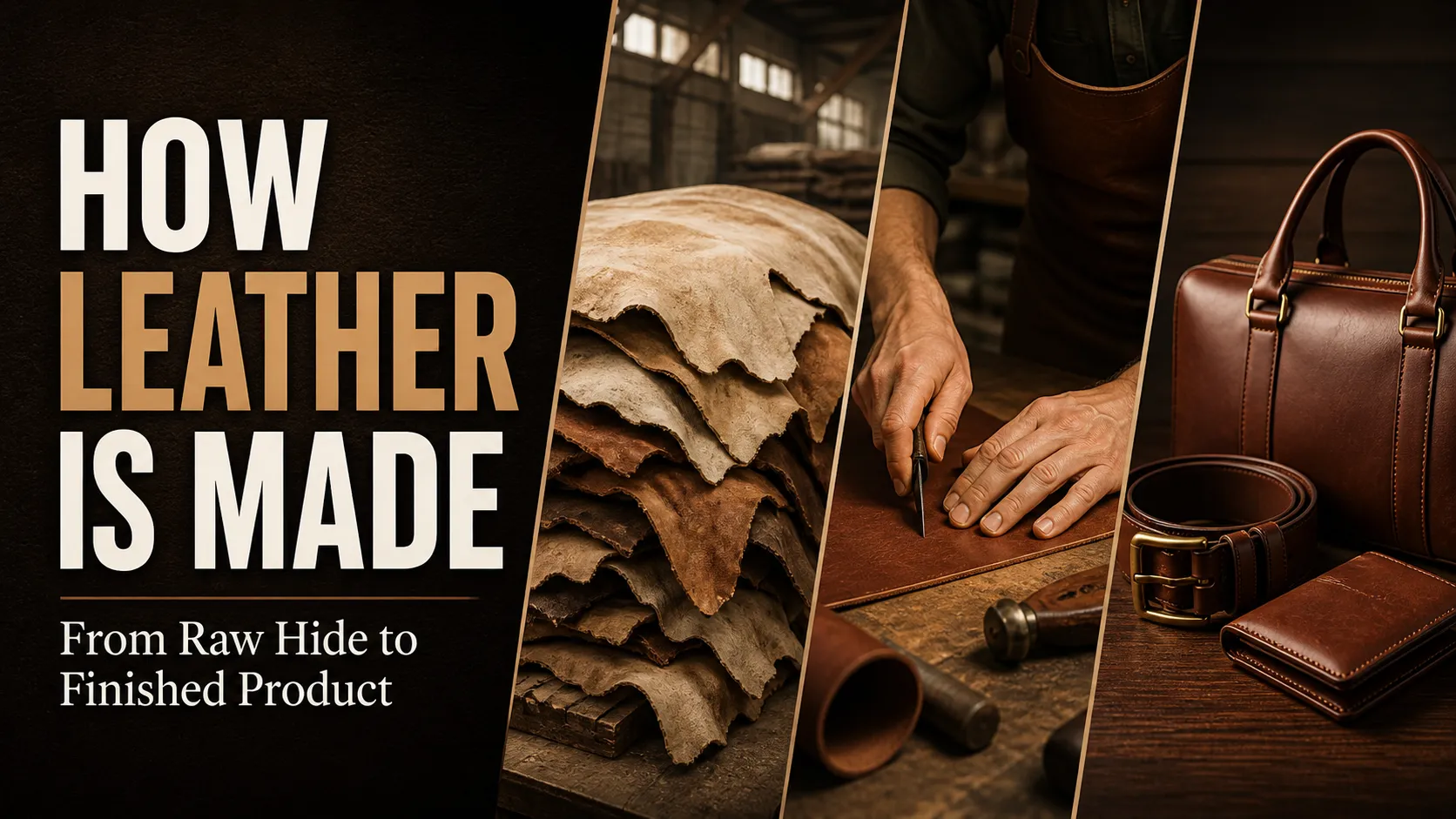
Leather is one of the oldest manufactured materials in human history — used for thousands of years across every civilisation. But most people have only a vague idea of how leather is actually made. They know it comes from animal hides. Beyond that, the process is a mystery.
Understanding how leather is made changes the way you look at every leather product you own. It explains why full grain leather costs more than genuine leather. It explains why some bags last decades while others fall apart in months. And it reveals why craftsmanship, material selection, and the tanning method matter so much more than the brand name on the label.
This guide walks through every major stage of leather production — from the raw hide to the finished material ready for a craftsman’s hands.
Stage 1: Sourcing the Raw Hide
All leather begins with an animal hide — most commonly from cattle (cowhide), but also from goats, sheep, pigs, and exotic species. The vast majority of leather hides are a by-product of the meat and dairy industries. The animals are not raised specifically for their skins.
The quality of the raw hide is determined by several factors:
- Breed and age of the animal — younger animals tend to produce finer, more supple hides
- Climate and living conditions — hides from animals in temperate climates with minimal insect exposure have fewer natural blemishes
- Post-mortem handling — hides must be preserved quickly (usually by salting or chilling) to prevent decomposition before they reach the tannery
Not all hides are equal. Only the cleanest, least blemished hides qualify for full grain leather — the highest grade — because the natural surface will be left completely intact. Hides with more imperfections are processed into top grain, genuine, or split leather, where sanding and finishing can correct surface flaws.
Stage 2: Preparation (Beamhouse Operations)
Before tanning can begin, the raw hide undergoes a series of preparation steps collectively known as “beamhouse operations.” These clean and condition the hide for the tanning process.
Soaking
The preserved hide is soaked in water for hours or days to rehydrate it, removing salt, dirt, blood, and any preservatives. The hide softens and returns to a pliable state.
Liming
The rehydrated hide is immersed in an alkaline solution (typically calcium hydroxide — lime) which loosens the hair and epidermis, swells the hide fibres, and removes fats and non-structural proteins. This step takes one to several days.
Unhairing and Fleshing
The loosened hair is mechanically scraped from the grain side (outer surface). The flesh side (inner surface) is trimmed of any remaining fat, tissue, and membrane. The result is a clean, bare hide ready for further processing.
Splitting
If the hide is thick enough, it is split horizontally into layers using a band knife:
- The top layer (grain split) becomes full grain or top grain leather — the premium grades
- The bottom layer (flesh split) becomes split leather or suede — lower grades with a weaker fibre structure
This splitting stage is why leather grades exist. The top layer, with its dense, tightly interlocked fibres, is structurally superior. The lower layers are progressively weaker.
Deliming and Bating
The alkaline chemicals from liming are neutralised (delimed), and enzymes are applied to soften the hide further and prepare it for tanning. The hide is now clean, pH-balanced, and ready to be transformed into leather.
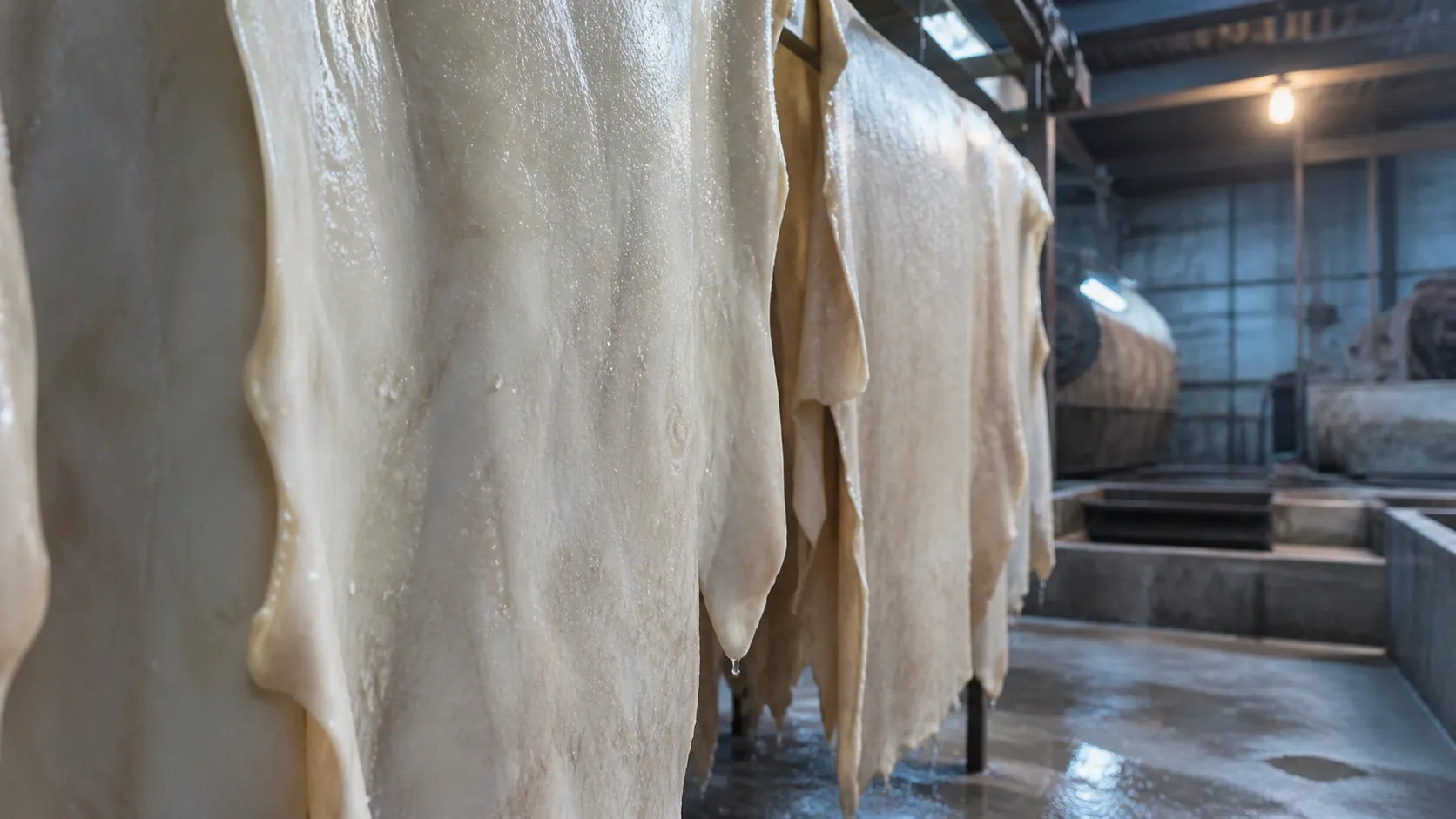
Stage 3: Tanning
Tanning is the defining step — the chemical process that transforms a perishable raw hide into stable, durable leather. Without tanning, the hide would eventually rot, stiffen, and decompose.
There are two dominant tanning methods used today:
Vegetable Tanning
The oldest method, practised for over 5,000 years. Natural tannins extracted from tree bark (oak, chestnut, mimosa), wood, leaves, and plant roots are used to stabilise the hide’s collagen fibres.
The hide is immersed in progressively concentrated tannin solutions over a period of weeks to months. The result is a firm, warm-toned leather with a rich earthy scent that develops a beautiful patina over time. Vegetable tanned leather is the preferred choice for premium leather bags, belts, and accessories.
Chrome Tanning
The modern industrial method, developed in 1858. Chromium(III) sulphate salts are used to tan the hide in rotating drums. The entire process takes 24 to 48 hours — a fraction of vegetable tanning’s timeline.
Chrome tanning produces softer, thinner, more pliable leather that accepts a wide range of dyes. It accounts for roughly 80–90% of global leather production due to its speed and cost efficiency. However, chrome tanned leather does not develop a patina and has a shorter functional lifespan than vegetable tanned alternatives.
Stage 4: Post-Tanning (Crusting)
After tanning, the leather undergoes additional processing to refine its properties before finishing.
Wringing and Sorting
Excess moisture is removed mechanically, and the tanned hides are sorted by quality, thickness, and grain character. The best hides are reserved for full grain products; those with more imperfections go toward top grain or corrected grain processing.
Shaving and Splitting
The leather is shaved to a uniform thickness appropriate for its intended use. Bag leather is typically 1.0–1.4mm thick; belt leather is thicker; garment leather is thinner.
Retanning, Dyeing, and Fatliquoring
- Retanning adjusts the leather’s firmness, softness, and grain character using additional tanning agents
- Dyeing applies colour — either through drum dyeing (colour penetrates the full thickness) or surface application
- Fatliquoring introduces oils and fats into the fibre structure to ensure the leather remains supple and flexible when dry
Drying
The leather is dried carefully using controlled methods — air drying, vacuum drying, or toggle drying (stretching the hide on frames). The drying method affects the leather’s final texture and firmness.
Stage 5: Finishing
Finishing is the final stage that determines the leather’s surface appearance, feel, and protective qualities.
Full grain leather receives minimal finishing — often just a light aniline or semi-aniline dye that preserves the natural grain. The surface is left unaltered, showing natural pores, markings, and texture. This is the hallmark of the highest quality leather.
Top grain leather is lightly sanded or buffed to remove surface imperfections, then coated with a pigmented finish that creates a smooth, uniform appearance. Learn more about the difference between full grain and top grain.
Corrected grain leather (often sold as genuine leather) is heavily sanded, embossed with an artificial grain pattern, and coated with thick pigmented finish to mask the processed surface.
Crazy horse leather receives a special wax-rubbed finish that creates a vintage, pull-up effect. Learn more in our crazy horse leather guide.
After finishing, the leather is inspected, measured, and graded one final time before being shipped to manufacturers and artisans who transform it into bags, shoes, furniture, and accessories.
From Leather to Finished Product
The journey does not end at the tannery. The finished leather still needs to be cut, stitched, and assembled by skilled hands.
At BagsinLeather, every piece in our collection goes through a careful handcrafting process. Our artisans select only the finest portions of each hide, cut patterns by hand, stitch using traditional techniques, and finish every edge and detail with the precision that defines handmade leather bags.
This is why knowing how leather is made matters. The tannery determines the material. The craftsman determines the product. When both are exceptional, the result is a leather bag that lasts a lifetime.
Frequently Asked Questions
How long does it take to make leather?
The timeline varies dramatically by tanning method. Vegetable tanning takes one to three months. Chrome tanning takes 24 to 48 hours. Including preparation, post-tanning, and finishing, the full process from raw hide to finished leather ranges from a few days (chrome) to several months (vegetable tanned).
What animals is leather made from?
Most leather comes from cattle (cowhide), which makes up the vast majority of global production. Leather is also made from goats, sheep, pigs, buffalo, and exotic species like alligator, ostrich, and snake. The hides are overwhelmingly a by-product of the meat and dairy industries.
Is leather making bad for the environment?
The environmental impact depends heavily on the tanning method and the tannery’s practices. Vegetable tanning uses natural, biodegradable materials and produces less harmful waste. Chrome tanning involves industrial chemicals that require careful treatment. Modern tanneries have significantly improved waste management, but environmental impact remains a consideration.
What is the difference between tanned and untanned leather?
Untanned hide (rawhide) is rigid, prone to decomposition, and lacks the flexibility and durability of tanned leather. Tanning chemically stabilises the hide’s collagen fibres, making it resistant to rot, flexible when dry, and durable enough to last decades. Without tanning, leather as we know it would not exist.
Why is full grain leather more expensive?
Full grain leather requires the highest quality hides with minimal natural blemishes, since the surface is left completely unprocessed. Fewer hides qualify, usable yield per hide is lower, and the finishing process demands more skill. The result is a superior material that justifies the premium through unmatched durability and beauty.
Every Great Bag Starts Here
Understanding how leather is made gives you the knowledge to evaluate every leather product with confidence. The raw material, the tanning method, the finishing process — every decision along the way shapes the leather that ends up in your hands.
When you choose full grain, vegetable tanned leather, you are choosing the result of the most careful, time-intensive process available. And that is exactly what we build with.
Related posts
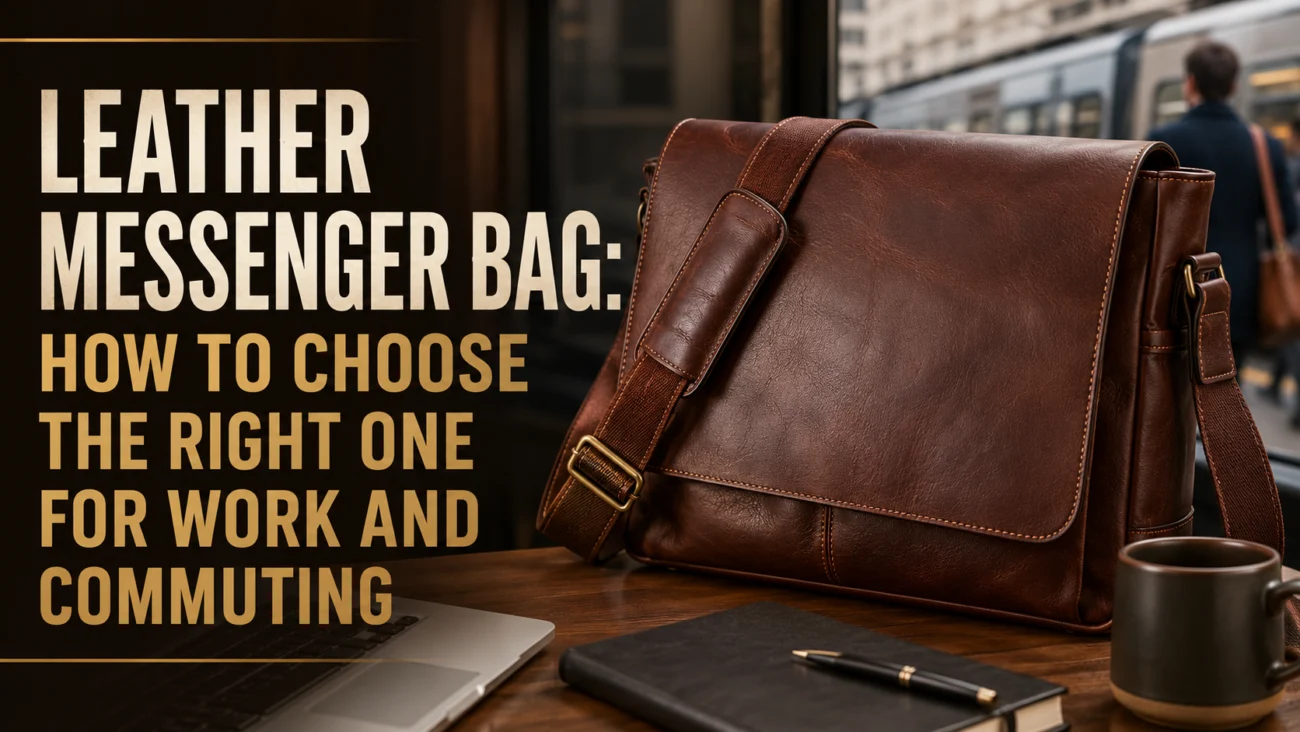
Leather Messenger Bag: How to Choose the Right One for Work and Commuting
Knowing how to choose a leather messenger bag comes down to a few honest questions: will it protect your laptop, sit comfortably across...
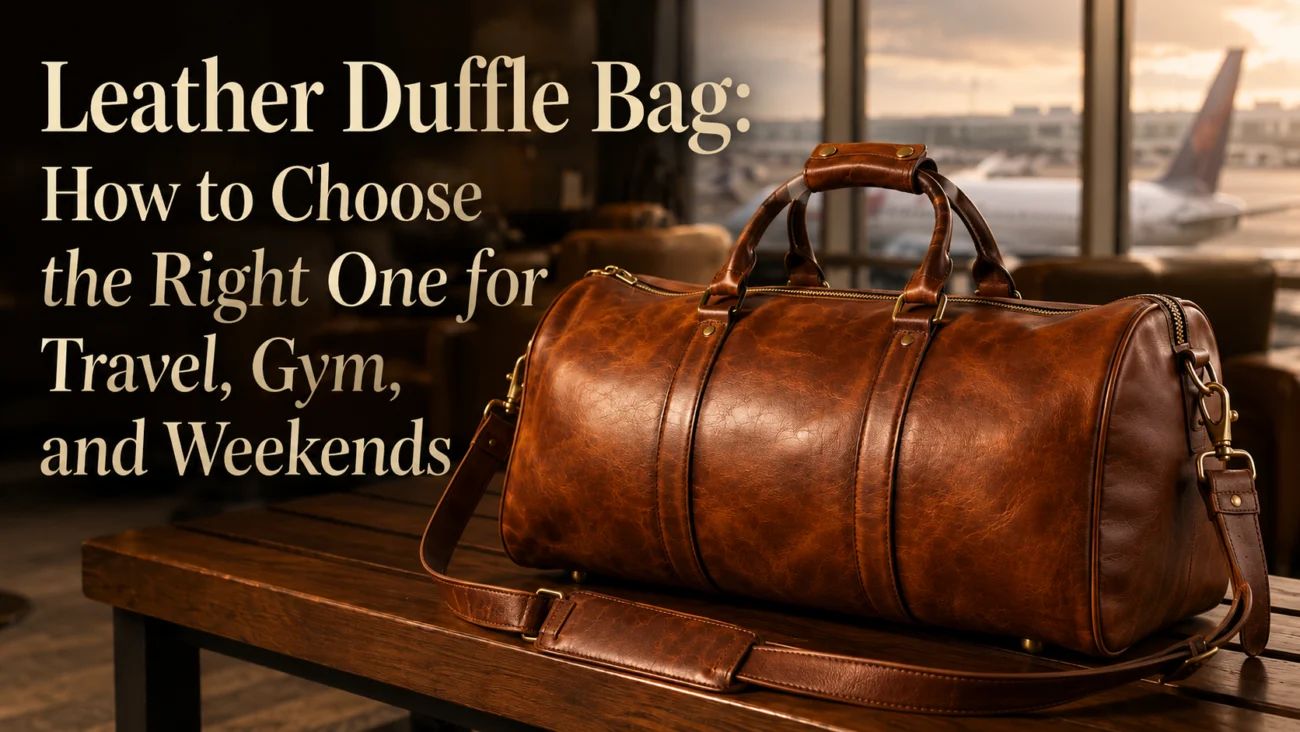
Leather Duffle Bag: How to Choose the Right One for Travel, Gym, and Weekends
A leather duffle bag is one of the most stylish and durable ways to pack for a short trip, blending the roomy, soft-sided shape of a cl...
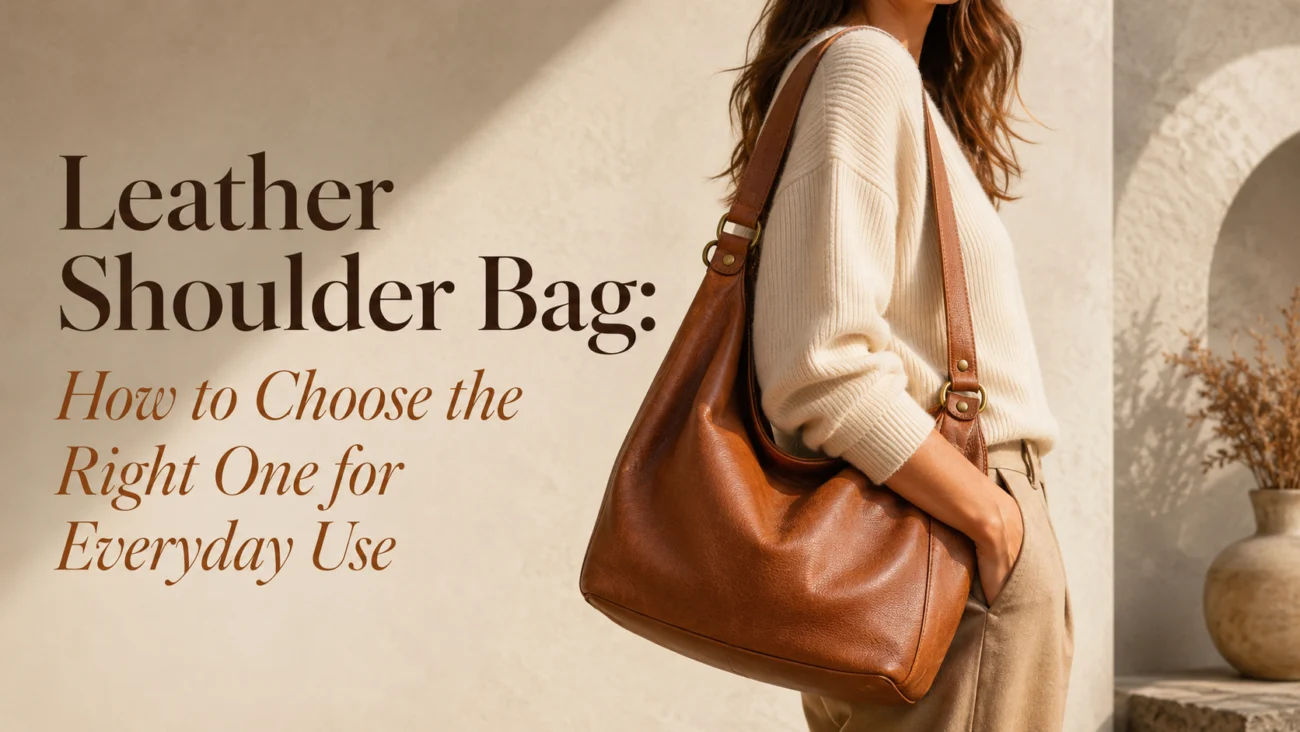
Leather Shoulder Bag: How to Choose the Right One for Everyday Use
A leather shoulder bag is one of the most versatile everyday bag styles you can own, carried on one shoulder with a short strap and sit...
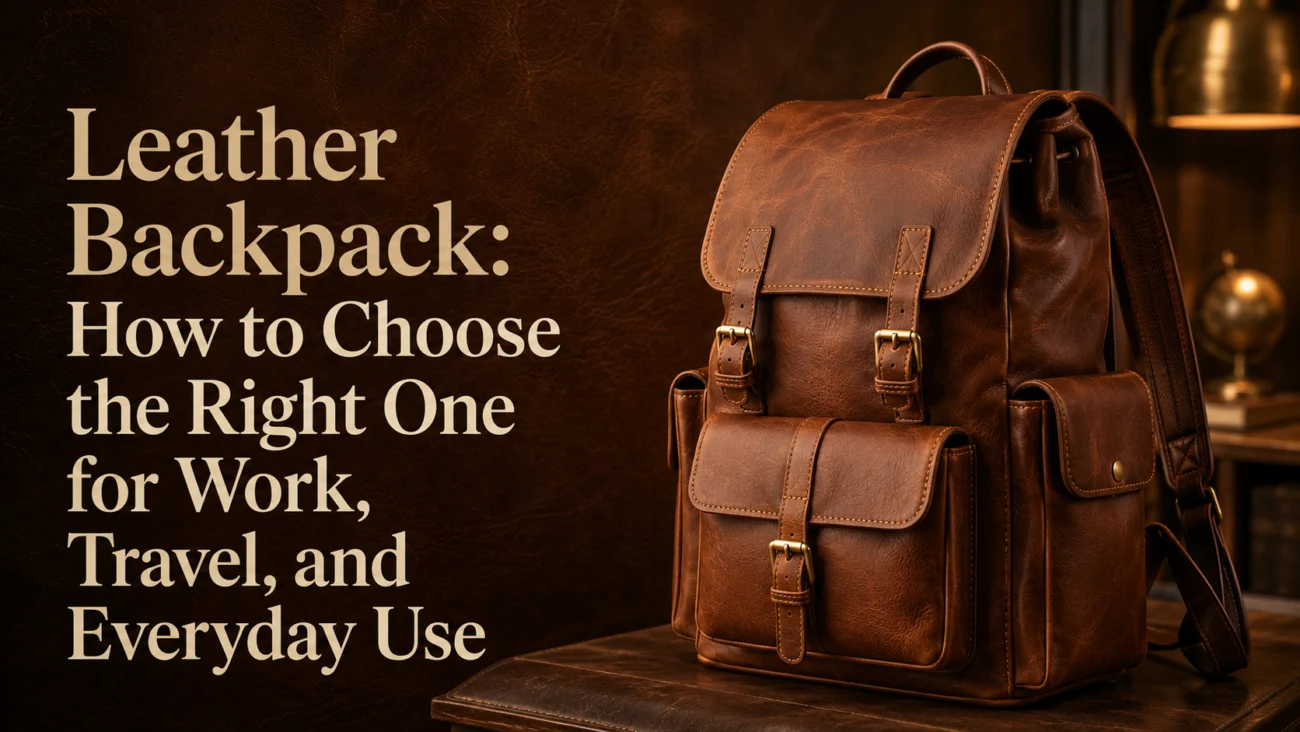
Leather Backpack: How to Choose the Right One for Work, Travel, and Everyday Use
Knowing how to choose a leather backpack comes down to a few honest questions: will it fit your laptop, sit comfortably on your shoulde...
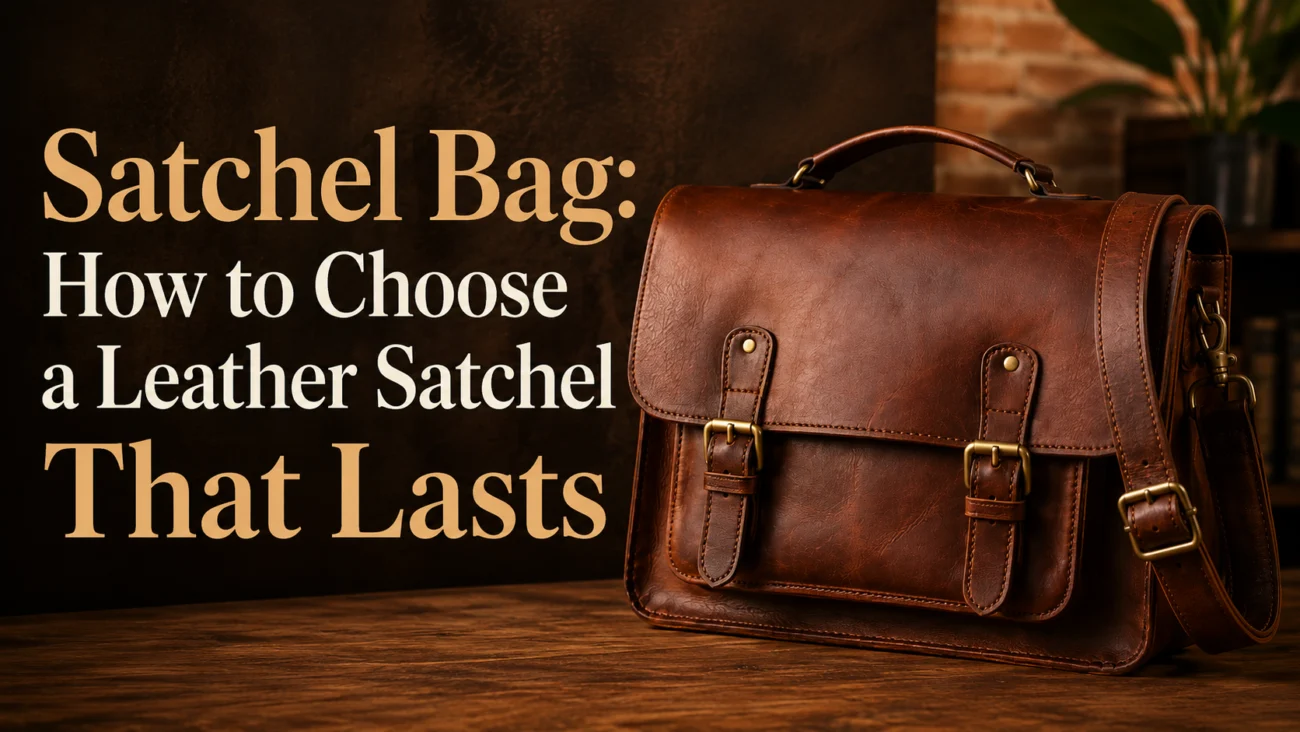
Satchel Bag: How to Choose a Leather Satchel That Lasts
A satchel bag is one of the most useful bags you can own, sitting neatly between a relaxed backpack and a formal briefcase — structured...
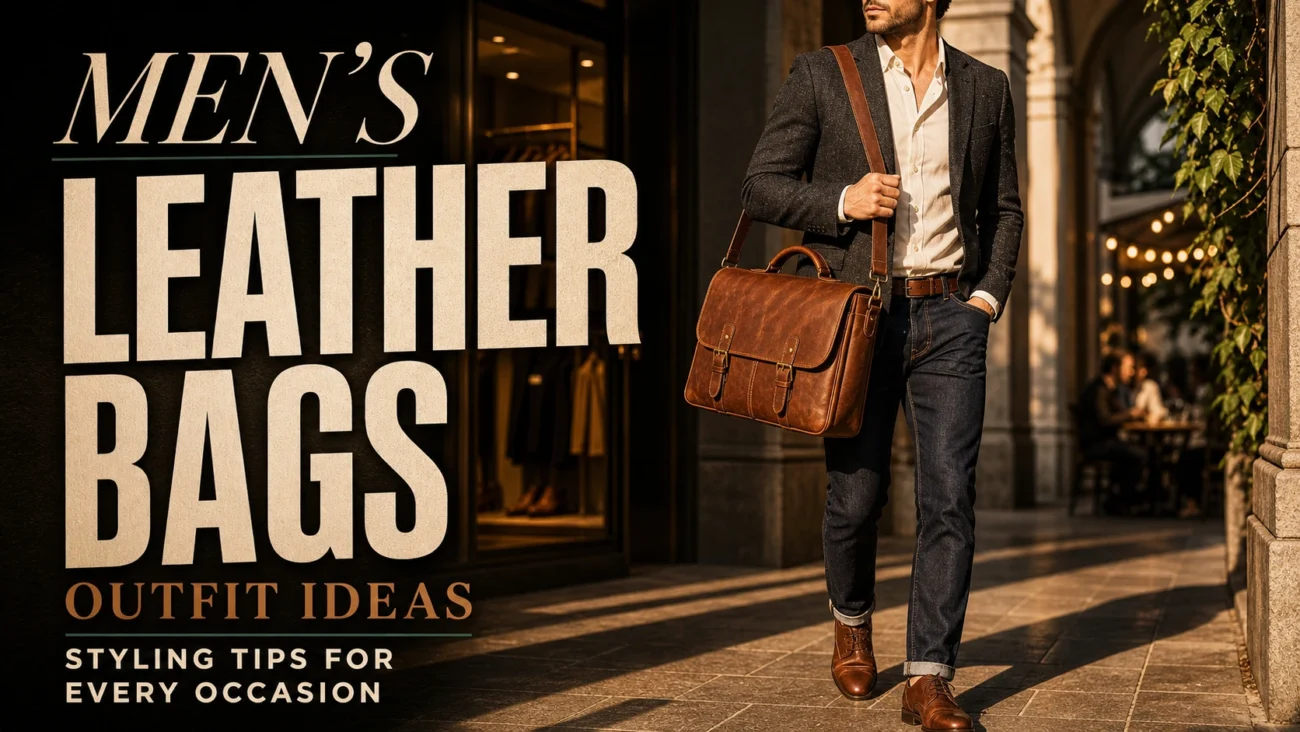
Leather Bag Men: Outfit Ideas and Styling Tips for Every Occasion
Finding the right leather bag men can confidently carry in any setting — from the boardroom to the weekend — is easier than most think....