Free Shipping Over $100 · Satisfaction Guarantee · Handcrafted by Artisans

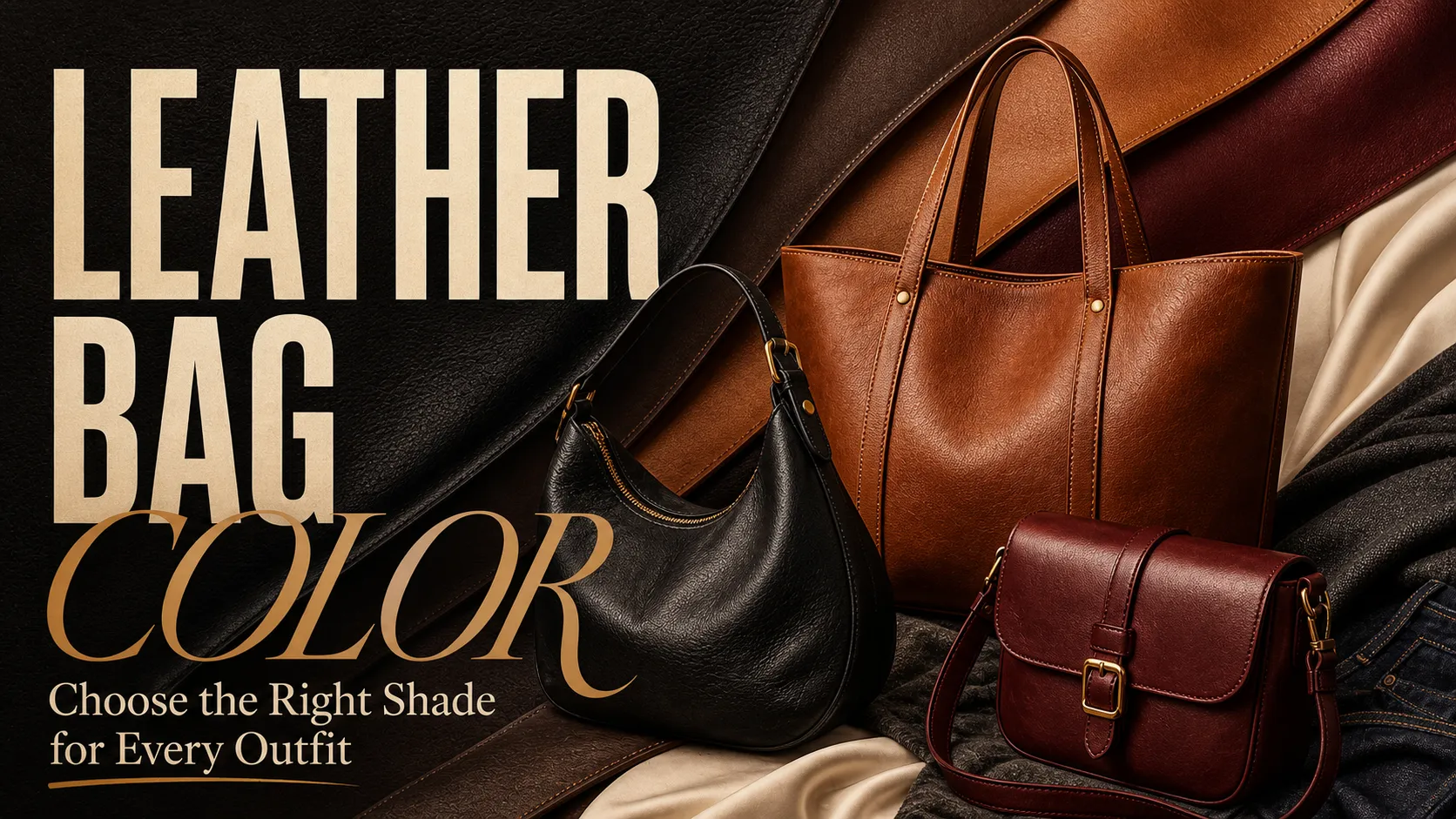
Choosing the right leather bag color is one of the most important decisions you will make when investing in a quality bag — and it is the one most people overthink. You want something that works with your wardrobe, fits your lifestyle, and still looks great years from now. The wrong shade sits in your closet untouched. The right one becomes the bag you reach for every single day.
This guide breaks down the most popular leather bag colors, explains which shades pair best with different wardrobes and occasions, and helps you pick the one color that will work hardest for you.
Why Leather Bag Color Matters More Than You Think
With most materials, color is purely aesthetic. With leather, it affects far more than looks.
The color of a full-grain leather bag determines how it ages, how it shows wear, and how versatile it is across different outfits and settings. A light tan bag develops a dramatic patina over time but shows stains more easily. A dark brown bag hides everyday wear beautifully but develops patina more subtly. A black bag stays consistently polished but never develops the same visual character.
Your leather bag color also signals formality. Black reads as professional and sharp. Brown reads as warm and approachable. Tan reads as casual and relaxed. Choosing the wrong shade for your environment can make a great bag feel out of place.
The good news: leather is one of the few materials where almost every natural color looks better with age. The key is matching the shade to how you actually live and dress — not to whatever is trending this season.
The Most Popular Leather Bag Colors Explained
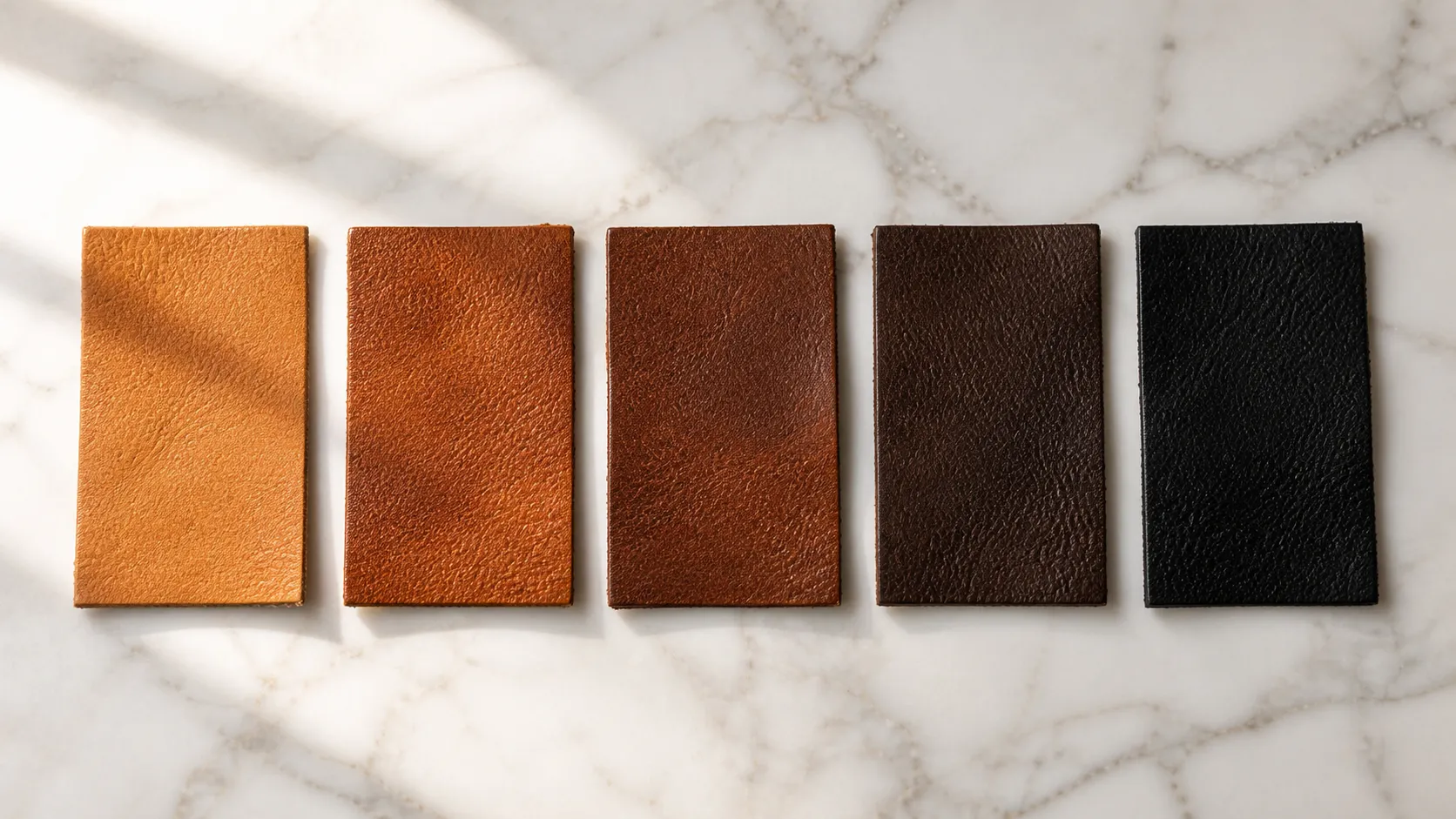
Not all browns are the same, and not all neutrals behave the same way in your wardrobe. Here is a breakdown of the most common leather bag colors and what makes each one unique.
Black
Black is the most universally versatile leather bag color. It matches every outfit, works in every setting — from a boardroom to a weekend brunch — and never looks out of place. Black leather hides scuffs, scratches, and minor stains better than any other shade.
The trade-off is character. Black leather develops patina more slowly and less visibly than brown shades. If you want a bag that tells a visual story as it ages, black is the quieter option.
Best for: corporate settings, minimalist wardrobes, evening events, cool-toned outfits (grey, navy, white, black).
Dark Brown (Chocolate / Espresso)
Dark brown strikes a balance between the polish of black and the warmth of lighter browns. It is formal enough for the office yet relaxed enough for the weekend. Dark brown pairs naturally with earth tones, navy, olive, and cream.
This shade develops a rich, visible patina over time without showing every scratch or water mark along the way.
Best for: people who want the versatility of black with more warmth and character.
Cognac
Cognac is a warm, reddish-brown that sits between medium brown and amber. It is widely considered the single most versatile leather bag color for people who want one bag that works with everything. The reddish undertone allows cognac to pair with both warm-toned wardrobes (cream, olive, rust, camel) and cool-toned basics (grey, navy, white).
Cognac leather ages beautifully — the color deepens over time while retaining its distinctive reddish warmth, similar to the way a copper penny darkens with age.
Best for: one-bag wardrobes, people who wear a mix of warm and cool tones, anyone buying their first quality leather bag.
Saddle Brown / Camel
Saddle brown (sometimes called camel or caramel) is a classic mid-tone brown with golden undertones. It reads as heritage and timeless — think vintage travel bags and old library satchels. This shade works beautifully with denim, white, cream, burgundy, and forest green.
Saddle brown shows patina development more visibly than darker shades, which makes each bag develop a unique character that no two owners share.
Best for: casual and smart-casual wardrobes, vintage aesthetics, denim-heavy outfits.
Tan / Honey
Tan is the lightest commonly available leather bag color. It is bright, warm, and visually striking — a bag in tan stands out rather than blending in. Honey-toned leather pairs effortlessly with pastels, bold prints, neutral basics, and deep colors alike.
The catch: light-colored leather shows dirt, stains, and marks more readily than darker shades. A tan bag requires more attentive care — though many owners consider the accelerated patina development an advantage, not a drawback.
Best for: spring and summer wardrobes, casual lifestyles, people who enjoy visible leather aging.
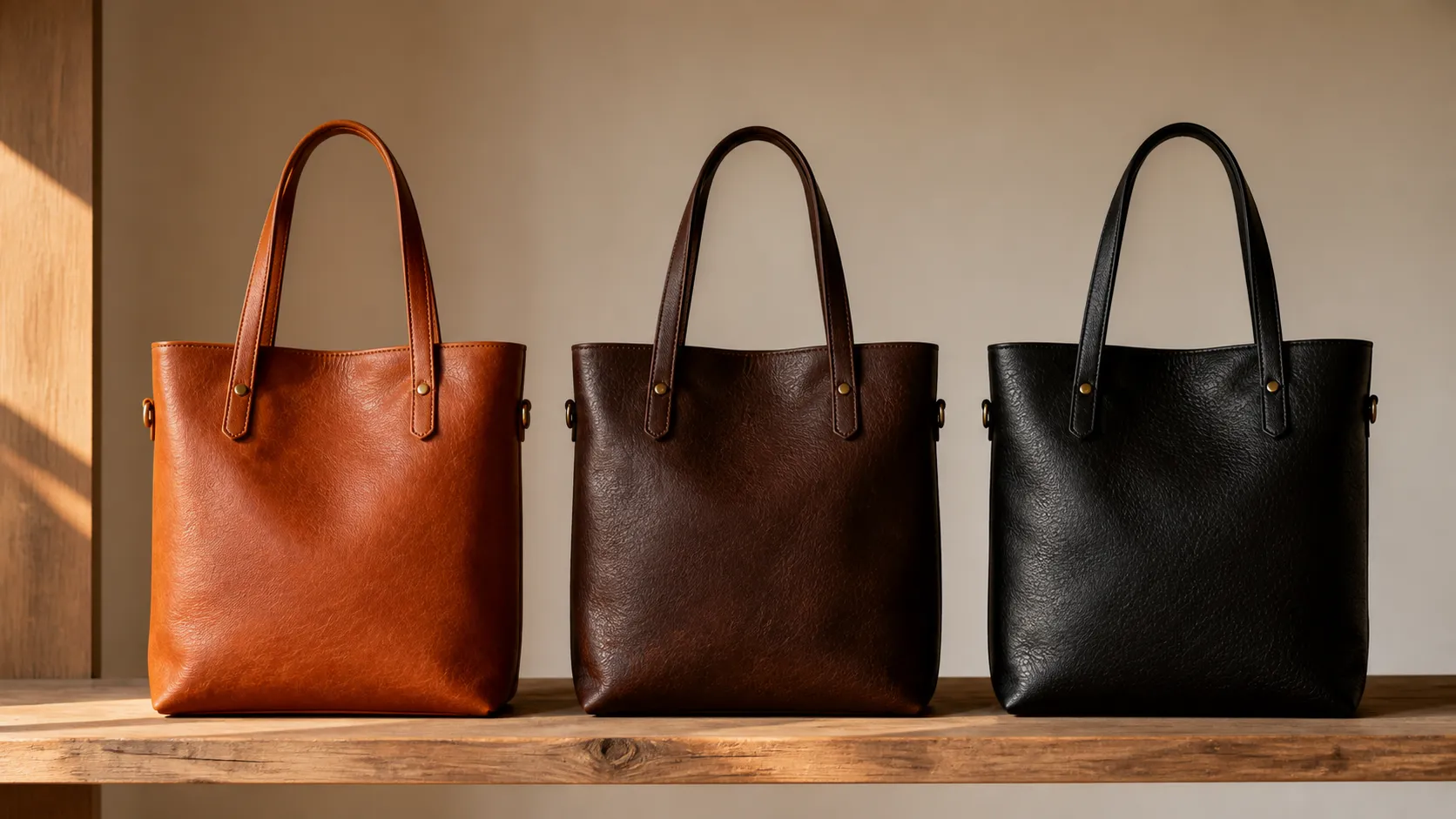
What Color Leather Bag Goes With Everything?
This is the most common question people ask when shopping for their first quality bag — and the honest answer depends on your wardrobe.
If Your Wardrobe Is Mostly Cool Tones
If you regularly wear black, grey, navy, white, and jewel tones, a black leather bag is your safest bet. It blends seamlessly with cool-toned outfits and will never clash. A dark brown bag also works here, especially if you want a slightly softer look than pure black.
If Your Wardrobe Is Mostly Warm Tones
If your closet is full of cream, tan, olive, rust, camel, and warm neutrals, a brown leather bag in the cognac or saddle range will complement nearly everything you own. Black can feel too harsh against all-warm outfits.
If Your Wardrobe Is Mixed
If you wear both warm and cool tones regularly, cognac is the answer. Its reddish-brown base bridges the gap between warm and cool palettes better than any other shade. This is why cognac is so frequently recommended as the single best leather bag color for a versatile wardrobe.
The One-Bag Rule
If you can only own one leather bag, here is the priority order based on maximum versatility:
- Cognac — works with the widest range of colors and formality levels
- Dark brown — nearly as versatile, with slightly more polish
- Black — the safest choice for formal-heavy or cool-toned wardrobes
- Tan — best for casual, warm-weather lifestyles
How Leather Bag Color Changes Over Time
One of the things that separates leather from every other bag material is patina — the gradual change in color, texture, and sheen that happens naturally through use and exposure to light, oils, and handling.
Understanding how each leather bag color develops patina will help you choose a shade that looks even better in the future. According to Leather Naturally, a global leather industry initiative, well-maintained leather goods develop this character over decades of use — something no synthetic material can replicate.
Light Colors (Tan, Honey)
Light leather changes the most. A fresh tan bag will darken significantly over the first year, gradually shifting toward a warm golden brown. The change is dramatic and visible — which is exactly why some people love it and others prefer a darker starting point.
Expect: noticeable darkening, visible patina lines, unique wear patterns.
Medium Colors (Cognac, Saddle Brown)
Medium-toned leather hits the sweet spot for patina. The color deepens and enriches without shifting so dramatically that the bag looks like a different shade. Cognac retains its reddish warmth while gaining depth. Saddle brown develops a warm, honey-like glow around the edges and high-contact areas.
Expect: gradual deepening, warm golden highlights at edges and handles, rich character after 1–2 years.
Dark Colors (Chocolate, Espresso, Black)
Darker leather develops patina more subtly. You will notice a slight sheen developing on the surface — a polished, almost waxy look — rather than a dramatic color shift. Black leather may develop a slight brownish warmth at the edges over many years, but it largely stays consistent.
Expect: subtle sheen, consistent appearance, minimal visible aging.
If you enjoy watching your bag evolve over time, go lighter. If you prefer a bag that looks the same on day one as it does on day one thousand, go darker. This is one of the key factors most leather bag buying guides overlook.
Matching Leather Bag Color to Your Shoes and Belt
Your leather bag color does not exist in isolation — it sits alongside your shoes, belt, and outerwear. So does your bag need to match everything?
The short answer: not anymore.
The old rule of matching all your leathers — bag, shoes, belt, watchband — was a formal menswear convention that has largely fallen out of practice. Today, the goal is coordination, not exact matching.
Rules That Still Work
Stay in the same family. A brown bag with brown shoes looks intentional and polished, even if the exact shades are different. A cognac bag with tan shoes reads as warm and cohesive. Mixing within the brown family almost always works.
Black matches black. Black is the one color where matching still matters in formal settings. A black bag with brown shoes can look unintentional in a business context. In casual settings, it is perfectly fine.
Avoid clashing temperatures. A cool-toned grey bag with warm-toned tan shoes can feel visually disconnected. Stick to either warm or cool leathers in the same outfit.
Rules You Can Ignore
You do not need to match your bag to your jacket. You do not need matching hardware colors. And you absolutely do not need to own a bag in every shoe color you have. One well-chosen leather bag color — cognac, brown, or black — handles 90% of outfits without a second thought.
Leather Bag Color by Occasion
Different settings call for different energy, and your leather bag color choice plays a bigger role than you might expect. Picking the right leather bag color for the occasion keeps your look intentional instead of accidental.
Work and Professional Settings
Dark brown and black are the two strongest choices for the office. Both project professionalism and pair well with business attire. If your workplace leans more creative or casual, cognac is an excellent middle ground — polished enough for meetings, warm enough to feel personal.
Browse our collection of leather work bags to see these colors in action.
Casual and Weekend
This is where lighter shades shine. Tan, honey, cognac, and saddle brown all work beautifully with jeans, t-shirts, sneakers, and relaxed weekend outfits. A lighter leather bag color instantly lifts a casual outfit and adds visual interest without trying too hard.
Travel
For travel, durability and stain-resistance matter as much as style. Dark brown and cognac are the best leather bag colors for travel — they hide the inevitable scuffs and marks of airports and train stations while still looking refined. Tan works too but will show dirt faster. Black is practical but can feel heavy when paired with vacation clothes.
Our leather travel bags come in the shades that travel best.
Evening and Events
Black leather carries the most authority for evening occasions. It pairs naturally with darker clothing and formal outfits. Deep chocolate brown can also work for semi-formal events, especially in fall and winter.
How to Care for Different Leather Bag Colors
Your leather bag color also determines how you maintain it. A few color-specific care tips will keep any shade looking its best for years.
Light Leather (Tan, Honey, Camel)
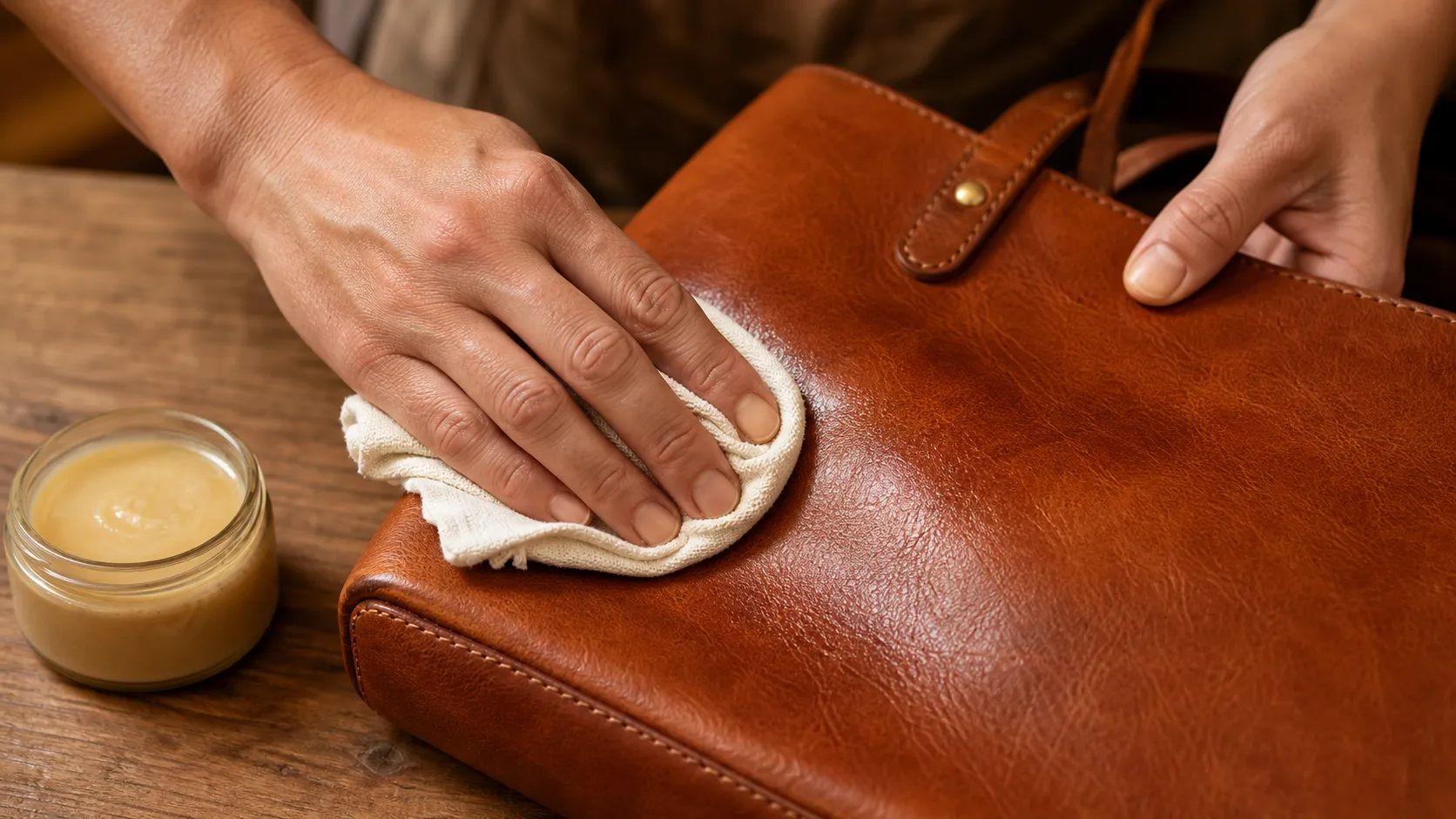
Light leather stains more visibly, so protection matters. Apply a leather protector spray before first use to create a barrier against water and oil. Wipe down the surface weekly with a soft, dry cloth. Condition every 2–3 months to prevent drying and to keep the patina even.
If you get a stain, address it immediately — light leather absorbs oils and liquids faster than darker shades.
Dark Leather (Brown, Espresso, Black)
Dark leather is more forgiving. Surface dirt is less visible, and minor scratches often buff out naturally with your fingertip. Condition every 4–6 months. Use a color-matched leather conditioner to keep the shade rich and even, especially on black bags where dry patches can appear as grey spots.
For a detailed routine, our guide on how to care for leather bags walks through every step.
A Note on Dye Transfer
Lighter-colored leather bags — especially in tan and honey — can pick up dye from dark clothing, particularly raw denim. If you regularly wear dark jeans, be mindful of where your bag sits against your body. A crossbody bag in light leather worn against a dark denim jacket may develop blue marks over time. This is not a defect — it is a reality of natural leather.
Frequently Asked Questions
What color leather bag is the most versatile?
Cognac is widely considered the most versatile leather bag color. Its warm reddish-brown tone pairs with both cool-toned wardrobes (grey, navy, white) and warm-toned outfits (cream, olive, rust, camel). If you can only own one leather bag, cognac gives you the widest range of outfit compatibility across casual, work, and weekend settings.
Does your leather bag have to match your shoes?
No. The old rule of matching every leather piece — bag, belt, shoes — has largely fallen out of modern style practice. The updated approach is coordination: stay within the same color family (all browns or all blacks) rather than matching exact shades. In casual settings, mixing leather tones freely is perfectly acceptable and often looks more natural.
Do light-colored leather bags get dirty easily?
Light leather shows stains and marks more visibly than darker shades, but this does not mean they are impractical. Applying a leather protector spray before first use, wiping the surface regularly, and addressing stains immediately will keep a tan or honey bag looking great. Many owners consider the natural wear patterns part of the bag’s character over time.
Is black or brown better for a leather bag?
Neither leather bag color is objectively better — it depends on your wardrobe. Black is ideal for cool-toned, formal, or minimalist wardrobes. Brown (in cognac or saddle shades) works better for warm-toned, casual, or mixed wardrobes. If you are unsure, look at the five outfits you wear most often and see which color family dominates your closet.
How does leather bag color change over time?
Full-grain leather develops a patina through natural use — the color deepens, the surface gains a subtle sheen, and high-contact areas develop warm highlights. Light colors like tan change the most dramatically, gradually darkening over months. Medium shades like cognac deepen while retaining their warmth. Dark colors like black and espresso change the least, developing a polished sheen rather than a noticeable color shift.
Find the Color That Fits Your Life
Choosing your leather bag color is not just a style choice — it is a practical decision that affects how often you use the bag, how well it pairs with your wardrobe, and how beautifully it ages over the years ahead. Skip the trends and focus on what works with the clothes you already own and the life you actually live.
If you are buying your first quality leather bag, start with cognac or dark brown. If you already have a neutral covered, branch out into tan or black. And whichever shade you choose, make sure the leather itself is full-grain — because even the perfect color cannot save a bag made from low-grade material.
Related posts
Leather Bucket Bag: What It Is, How to Wear It, and How to Choose One
A leather bucket bag is a roomy, cylinder-shaped handbag with a flat base and a drawstring top that cinches shut — as practical as it i...
What Is Suede Leather? A Complete Guide to Types, Durability, and Care
Suede leather is a soft, napped leather made from the underside of an animal hide, prized for its velvety texture and understated, matt...
Leather Messenger Bag: How to Choose the Right One for Work and Commuting
Knowing how to choose a leather messenger bag comes down to a few honest questions: will it protect your laptop, sit comfortably across...
Leather Duffle Bag: How to Choose the Right One for Travel, Gym, and Weekends
A leather duffle bag is one of the most stylish and durable ways to pack for a short trip, blending the roomy, soft-sided shape of a cl...
Leather Shoulder Bag: How to Choose the Right One for Everyday Use
A leather shoulder bag is one of the most versatile everyday bag styles you can own, carried on one shoulder with a short strap and sit...
Leather Backpack: How to Choose the Right One for Work, Travel, and Everyday Use
Knowing how to choose a leather backpack comes down to a few honest questions: will it fit your laptop, sit comfortably on your shoulde...