Free Shipping Over $100 · Satisfaction Guarantee · Handcrafted by Artisans



Nubuck leather is top-grain leather that has been sanded on its outer surface to create a soft, velvety nap — a material that looks and feels a lot like suede but is stronger and more refined. If you have ever run your hand across a premium pair of boots or a matte, buttery-soft bag and wondered what that texture was, there is a good chance it was nubuck. This guide explains what nubuck leather is, how it is made, how it differs from suede and full-grain, whether it counts as “real” leather, and how to care for it. By the end, you will understand exactly what you are buying.
What Is Nubuck Leather?
Nubuck is top-grain leather that has been buffed or sanded on the grain side — the outer surface of the hide — to raise a fine, short nap. That gentle sanding gives it a soft, matte, velvety feel while keeping the strength of the outer layer of the hide.
The name is a clue to its history. Nubuck originally came from young deer hide, or buckskin, and the word combines “new” with “buckskin.” Today it is typically made from cowhide or calfskin rather than deer, but the defining process — sanding the outer grain to a nap — stays the same.
Because it starts from the strongest part of the hide, nubuck sits near the top of the leather quality ladder. To see where that fits in the wider picture, our guide to leather types maps out how the grades relate. In short: nubuck is a premium leather with a distinctive soft-touch finish.
How Nubuck Leather Is Made
Nubuck starts as top-grain hide — the outer layer, prized for its tight fibers and durability. Rather than leaving that surface smooth, tanners lightly sand or buff it with fine abrasives until a short, even nap rises across the grain.
That single step is what separates nubuck from smooth leathers. The abrasion is shallow, removing only the very top of the surface, so the strength of the grain layer stays largely intact. The result is a leather that feels soft and matte but wears far better than its plush texture suggests.
The finished nap also takes dye beautifully, which is why nubuck comes in such rich, deep colors. If you are curious about the earlier stages that turn a raw hide into finished leather, our overview of how leather is made walks through the full tanning process that precedes this buffing step.
What Is Nubuck Leather Used For?
Because it combines a premium feel with real durability, nubuck leather shows up across a range of quality goods.
- Footwear — its biggest use. Boots, sneakers, and casual shoes rely on nubuck for a soft, matte look that still holds up to wear.
- Bags and accessories — totes, backpacks, and small goods use nubuck for a warm, tactile finish that reads more understated than glossy leather.
- Jackets and apparel — the soft nap gives outerwear a rich, velvety surface.
- Automotive and furniture — premium car interiors and upholstery use nubuck for its luxurious hand-feel.
Wherever it appears, nubuck signals a step up in quality. It is the material chosen when a maker wants a soft, refined surface without dropping down to a cheaper split leather.
Nubuck vs. Suede: What’s the Difference?
This is the question nearly everyone asks, because the two look so similar. The difference comes down to which part of the hide each one uses.
| Nubuck | Suede | |
|---|---|---|
| Made from | Outer grain side of top-grain hide | Inner split layer (underside) |
| Strength | Stronger, thicker, finer grain | Softer, less durable |
| Nap | Short, fine, velvety | Longer, fuzzier |
| Price | Generally more expensive | Generally more affordable |
Nubuck is buffed on the tough outer surface of the hide, while suede is made from the softer inner split. That single distinction means nubuck is stronger, thicker, and has a finer, more refined nap — and it usually costs more as a result. Suede is fuzzier and more delicate. For the full picture on the softer cousin, see our guide to what suede leather is. If durability matters to you and you like the napped look, nubuck is the sturdier choice.
Nubuck vs. Full-Grain Leather
Nubuck and full-grain leather are close relatives — both use the outer layer of the hide — but they are finished differently.
Full-grain leather keeps its natural surface completely intact, which makes it the most durable leather of all and lets it develop a glossy patina over time. Nubuck takes top-grain leather and sands that surface to create the nap, trading a little of that raw toughness for its signature soft-touch feel. So full-grain is marginally stronger and more water-resistant, while nubuck offers a plush, matte texture that full-grain cannot. Our comparison of full grain vs. top grain leather explains the underlying grades that both of these finishes draw from.
Is Nubuck Real Leather?
Yes. Nubuck is unquestionably real leather — in fact, it is a high grade of it. It is made from top-grain hide, the strong outer layer, and the only thing that sets it apart from smooth leather is the sanded, napped finish.
This is worth stressing because the napped, matte look sometimes leads people to assume nubuck is a synthetic or a lesser material. The opposite is true. Unlike vaguely labeled “genuine leather,” which is often a lower grade, nubuck comes from the best part of the hide. Our explainer on what genuine leather really means clears up why that label can be misleading and where nubuck sits above it.
Pros and Cons of Nubuck
Like any material, nubuck involves trade-offs. Here is an honest look at both sides.
The advantages:
- Soft, premium feel — the velvety nap is unmistakably luxurious to the touch.
- Strong for a napped leather — because it uses the outer grain, it resists wear better than suede.
- Rich color — the nap absorbs dye deeply, giving warm, saturated tones.
- Ages well — with care, it develops a lived-in character over time.
The honest drawbacks:
- Scratches and marks easily — the soft surface shows scuffs, though many can be brushed out.
- Water- and stain-sensitive — nubuck is not waterproof; water temporarily darkens it, and it absorbs stains readily without protection.
- Needs more upkeep — it requires specific care products and a little regular attention.
If you want a plush, premium texture and are willing to look after it, nubuck rewards you. If you need something you can throw around in all weather, a smooth full-grain leather is more forgiving.

How to Clean and Care for Nubuck
Nubuck needs a little more attention than smooth leather, but the routine is simple once you know it.
For everyday upkeep, brush the surface gently with a soft nubuck brush to lift dust and revive the nap. Always brush in one direction, and use the brush to work out light scuffs and restore an even texture. For tougher marks, a dedicated nubuck eraser or a specialized nubuck cleaner works better than water.
Protection is the most important step. Because nubuck absorbs moisture and stains so readily, treat a new piece with a nubuck protectant spray before you use it, and reapply periodically. This does not make it waterproof — nothing makes leather truly waterproof — but it dramatically improves resistance to water and stains. Our guide on whether leather is waterproof explains that distinction, and our general leather conditioning guide covers care principles that apply here too. Avoid standard leather conditioners and polishes, though — they will flatten and darken the nap.
Is Nubuck Right for You?
Nubuck is a fantastic choice if you love the soft, matte, velvety look and are happy to give it a little care. It brings a warmth and richness that smooth leather cannot, which is why it is so popular for premium footwear, jackets, and accessories.
It is less ideal if you want a low-maintenance material for rough, all-weather use. In that case, a smooth full-grain leather delivers similar quality with far less fuss. The good news is that both come from the best part of the hide, so whichever you choose, you are buying genuine, long-lasting leather rather than a cheap shortcut.
It also helps to match the material to the item. Nubuck makes wonderful sense on shoes, jackets, and pieces you carry in fair weather, where its texture shines. For a hard-working everyday bag that faces rain, crowded commutes, and years of daily handling, many people are happier with smooth full-grain leather — and reserve nubuck for the pieces where its soft, matte beauty can be shown off and protected.
How to Spot Genuine Nubuck
With synthetic and lower-grade imitations on the market, it helps to know how to recognize real nubuck leather. A few simple checks tell you a lot.
Look at the nap first. Genuine nubuck has a fine, slightly uneven texture that shifts tone as you brush it in different directions — run a finger across it and the mark it leaves should brush away. Faux versions tend to look uniform and plasticky, and they do not change shade when stroked. Real nubuck also has natural variation and small imperfections in the grain, since it comes from a real hide.
Smell is another giveaway: genuine leather has a warm, natural scent, while synthetics smell faintly chemical. Finally, consider the price and the label. True nubuck leather costs more than suede and far more than faux alternatives, so a suspiciously cheap “nubuck” item, or one labeled vaguely, deserves a closer look. When in doubt, buy from makers who are specific about their materials.
Frequently Asked Questions
What is nubuck leather?
Nubuck leather is top-grain leather that has been sanded or buffed on its outer grain side to create a soft, velvety nap. It looks similar to suede but is made from the stronger outer layer of the hide, making it more durable and refined. It is a premium, genuine leather with a distinctive matte, soft-touch finish.
Is nubuck real leather?
Yes. Nubuck is genuine, high-grade real leather made from top-grain hide — the strong outer layer. The only thing that distinguishes it from smooth leather is the sanded, napped surface. Despite its soft, suede-like appearance, it is a premium material, not a synthetic or a lower grade.
What is the difference between nubuck and suede?
Nubuck is made from the outer grain side of the hide, while suede is made from the softer inner split layer. As a result, nubuck is stronger, thicker, and has a finer nap, and it usually costs more. Suede is softer, fuzzier, and more delicate. Both share a similar napped look.
Is nubuck leather waterproof?
No. Nubuck is not waterproof, and it absorbs water and stains readily. Water temporarily darkens it, though it usually dries back to its original color. Treating nubuck with a dedicated protectant spray greatly improves its water and stain resistance, but it should still be kept out of heavy rain.
How do you clean nubuck leather?
Brush the surface gently with a soft nubuck brush in one direction to lift dust and revive the nap. Use a nubuck eraser or specialized cleaner for stubborn marks, and avoid water and standard leather conditioners, which flatten the nap. Apply a nubuck protectant spray regularly to guard against stains.
The Bottom Line on Nubuck
Nubuck leather is a premium, genuine leather prized for its soft, velvety nap and quiet, matte elegance. Made by sanding the outer surface of top-grain hide, it is stronger than suede and comes from the same high-quality layer as full-grain leather — with a distinctive soft-touch feel as the trade-off for a little extra care. If you love that texture and will protect it, nubuck is a genuinely luxurious choice.
Prefer the durability of a smooth finish? Explore our handcrafted collection of full-grain leather bags — built from the strongest part of the hide to last for years.
Shop Full-Grain Leather Bags →
Related posts
Canvas vs. Leather Messenger Bag: Which Is Right for You?
Choosing between a canvas vs leather messenger bag comes down to a few honest trade-offs: weight, cost, durability, weather resistance,...
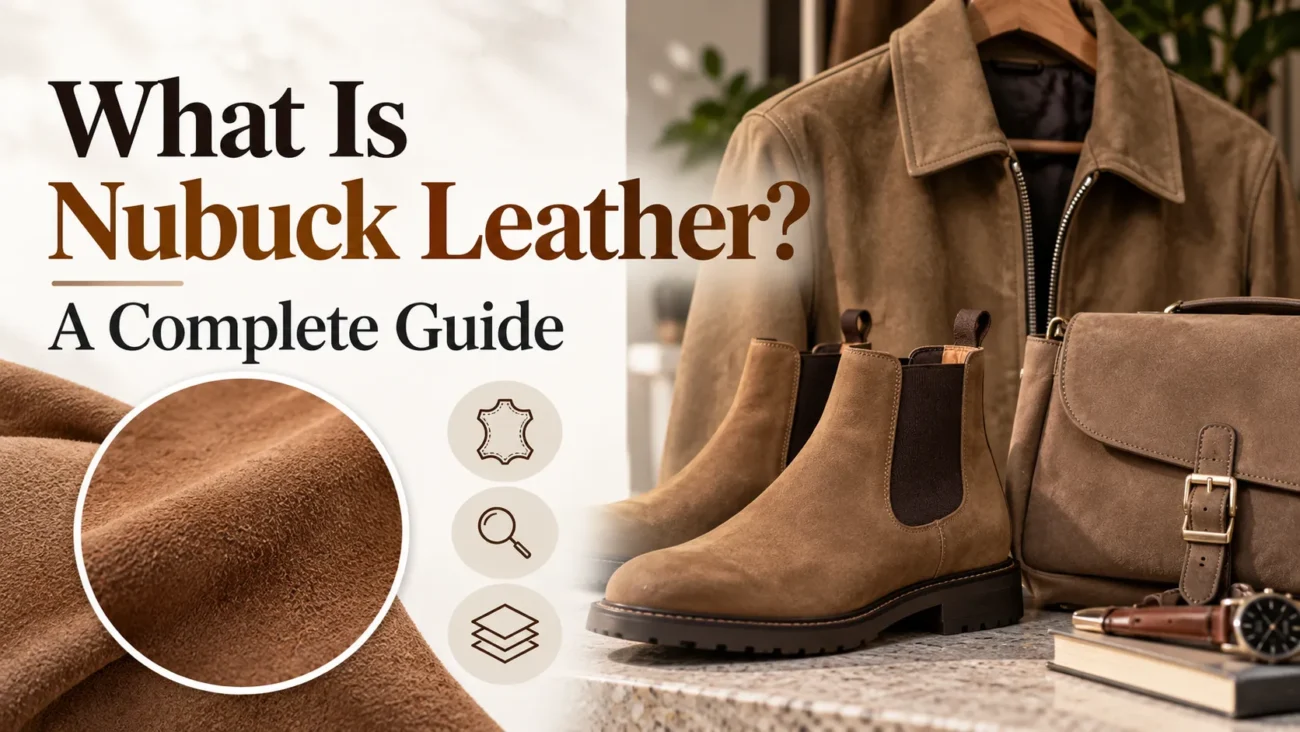
What Is Nubuck Leather? A Complete Guide
Nubuck leather is top-grain leather that has been sanded on its outer surface to create a soft, velvety nap — a material that looks and...

Fringe Crossbody Bag: The Complete Style Guide
A fringe crossbody bag is the piece that adds movement to an outfit — a hands-free bag trimmed with swaying leather or suede tassels th...

Leather Messenger Bag for Women: The Complete Guide
A leather messenger bag for women is the rare bag that carries a laptop to a meeting, a notebook to a café, and your everyday essential...

How to Choose a Leather Laptop Bag: A Buyer’s Guide
Knowing how to choose a leather laptop bag comes down to five decisions: the right bag type, the right size, the right leather grade, r...

Leather Camera Bag: The Complete Buyer’s Guide
A leather camera bag is where photography gear meets everyday style — a way to protect your camera and lens without carrying something ...