Free Shipping Over $100 · Satisfaction Guarantee · Handcrafted by Artisans

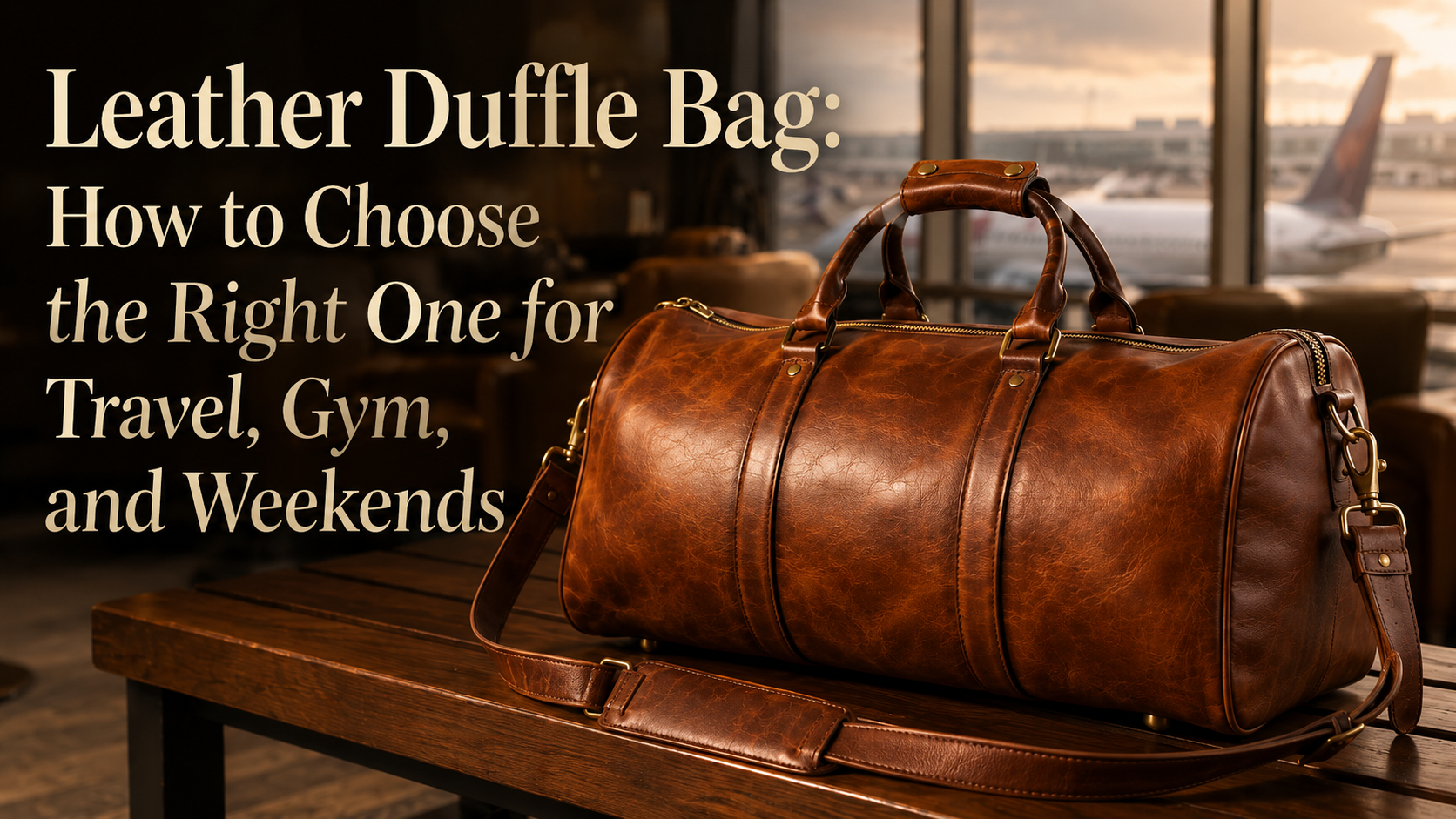
A leather duffle bag is one of the most stylish and durable ways to pack for a short trip, blending the roomy, soft-sided shape of a classic kit bag with the character that only real leather develops. It is ideal for overnight stays, weekend getaways, the gym, road trips, and stylish carry-on travel. But leather duffles vary widely in size, quality, and weight, and the wrong one can be too heavy, too floppy, or made from a grade that wears out fast. This guide explains what a leather duffle is, how it compares to a weekender and other travel bags, and exactly what to look for before you buy.
Is a Leather Duffle Bag Worth It?
A leather duffle bag is worth it if you want a durable, polished travel bag for short trips, gym use, or carry-on flights. A well-made full-grain duffle can last for many years and only looks better as it ages, developing a patina a nylon bag never will.
Be honest about the trade-offs, though. Leather is heavier than nylon or canvas before you pack a single item, so strap comfort, handle strength, and sensible sizing matter more than they would on a synthetic bag.
For weekend travelers who value looking put-together and buying once rather than often, the duffle earns its place. If you fly with heavy loads every week, a wheeled case may serve you better.
What Is a Leather Duffle Bag?
A leather duffle is a large, soft-sided bag with an open, cylindrical body built for maximum packing volume. The name traces back to Duffel, a town in Flanders, Belgium, where the thick duffel cloth used for the original bags was made in the 17th century.
The duffle earned its reputation as a military kit bag, carried by sailors and soldiers because its open structure swallows bulky gear with ease. That same adaptability makes it a favorite for travel, sports, and weekend packing today.
Modern leather duffles keep the classic shape but add refinements: a top zipper instead of a drawstring, reinforced handles, an adjustable shoulder strap, and protective feet on the base. The soft body still packs more flexibly than a rigid case.
Leather Duffle vs Weekender, Suitcase, and Backpack
Choosing the right bag starts with knowing how a duffle compares to its closest alternatives. Each suits a different kind of trip, so match the bag to how you travel.
| Bag Type | Structure | Best For | Trade-Off |
|---|---|---|---|
| Duffle bag | Soft, cylindrical, open | Gym, weekend trips, flexible packing | Less internal organization |
| Weekender bag | Semi-structured, compartments | Carry-on travel, tidy packing | Slightly less raw capacity |
| Suitcase | Rigid, wheeled | Heavy loads, longer trips | Bulky, less stylish |
| Backpack | Two straps, structured | Hands-free, long walks | Smaller, more casual |
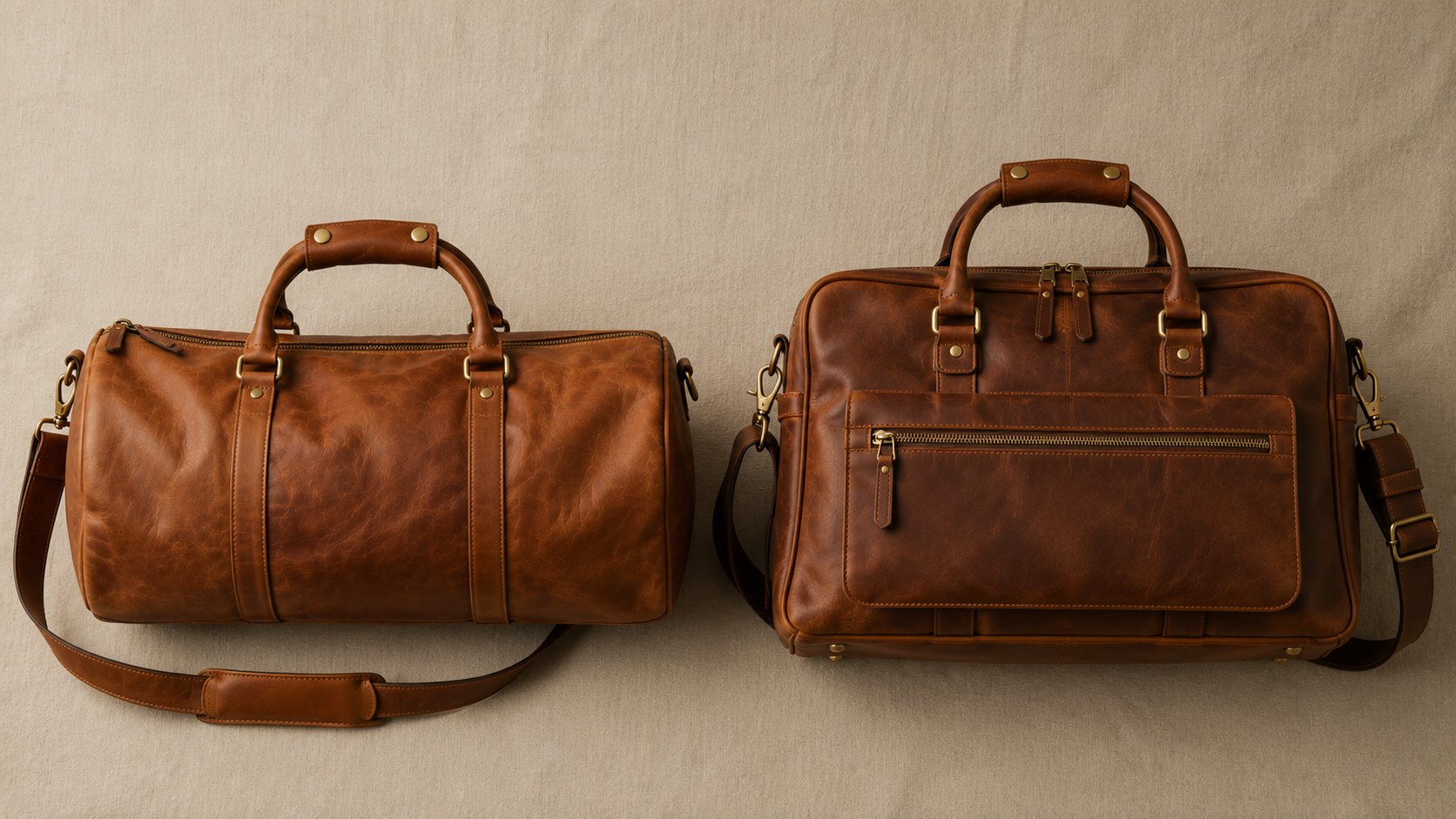
A weekender is essentially a refined duffle: semi-structured with dedicated pockets, purpose-built to meet carry-on limits for a 48-to-72-hour trip. A pure duffle trades some organization for raw, flexible volume. If you want hands free for long walking days, compare it with a leather backpack; for a broader look at travel styles, see our leather travel bag guide.
Who Should Buy a Leather Duffle Bag, and for What?
A leather duffle suits anyone who travels light and often, or who wants one good-looking bag for the gym and getaways alike. It is ideal for short trips, weekend travel, and stylish everyday carry.
It shines for overnight stays, weekend trips, road trips, gym sessions, and carry-on flights. The open body makes it easy to pack bulky items like shoes, a rolled jacket, or workout gear that a structured bag would fight you on.
It is not built for two-week hauls or the heaviest loads, where the single-shoulder carry and leather weight work against you. Match the bag to the trip and it rarely disappoints.
What Size Do You Need, and Can It Be a Carry-On?
Size should follow the length of your typical trip, since an oversized duffle only tempts you to overpack a bag that is already heavy. Start from how you actually travel.
A small leather duffle handles an overnight stay or a gym session. A medium duffle covers most weekend trips of two to three days. A large duffle suits road trips or longer stays where you can carry the extra weight.
Many leather duffles can fly as carry-on, but always confirm before you travel. Major US airlines including American, Delta, and United commonly cap carry-on bags around 22 x 14 x 9 inches, though limits vary by airline, aircraft, and ticket type. A soft-sided duffle in the 40-to-45-liter range is your safest bet for the overhead bin.
Best Leather Type for a Duffle Bag
The grade of leather decides how long your duffle survives the knocks of travel, so it is the first spec to check. The word “leather” on a tag tells you little on its own.
Full-grain leather keeps the hide’s natural surface intact, making it the strongest option and the one that ages into a rich patina. Top-grain is lightly sanded for a smoother, more uniform look with slightly less durability. “Genuine leather” sounds premium but is one of the lower grades, so do not treat the label as a mark of quality.
| Leather Grade | Typical Lifespan | Look & Feel | Best For |
|---|---|---|---|
| Full-grain | 15-25+ years | Natural grain, develops patina | A duffle you keep for decades |
| Top-grain | 10-15 years | Smooth, uniform, corrected | A lighter, more formal finish |
| Genuine | 5-10 years | Coated, plasticky over time | Budget bags, short-term use |
For a bag that takes travel abuse, choose full-grain. Our guides to leather types and full grain vs top grain leather explain the differences, and every bag in our full-grain leather collection starts from that top layer of the hide.
What to Check Before You Buy
A duffle lives or dies by its hardware and construction, so inspect the details that take the strain of a packed bag. These are the parts that fail first on a cheap one.
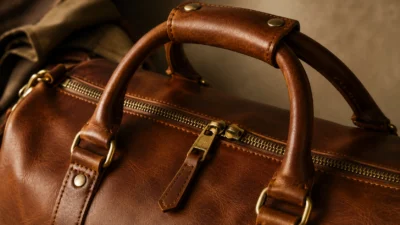
Check the handles and strap first: you want reinforced, double-stitched handles and a wide, padded, adjustable shoulder strap, since a full duffle gets heavy. Look for a strong, smooth-running metal zipper, a durable lining, and tight stitching throughout. Protective metal feet on the base keep the leather off dirty floors and extend its life. Solid brass hardware beats thin plated metal that flakes and rusts.
Then decide on structure and features. A structured duffle holds its shape for a tidier look, while a soft one packs more flexibly. A separate shoe compartment or a dedicated pocket helps for gym and travel use, though it adds a little bulk. Quality duffles in our leather travel bag collection balance clean lines with hardware built to last.
Best Colors for a Leather Duffle Bag
Color decides how versatile your duffle looks, so choose one that works across your wardrobe and travels well. The classics stay classic for a reason.
Brown, tan, and cognac are the most flexible and show patina beautifully, hiding the scuffs that travel inevitably brings. Black reads sharpest and most formal, ideal for business travel. Darker shades disguise wear best, while lighter tans develop the richest character over time.
For a full breakdown of how shade affects styling and aging, see our guide to choosing a leather bag color. For a first duffle that has to do everything, a mid-brown or cognac full-grain is the safest, most versatile pick.
How to Pack a Leather Duffle Bag
Packing a duffle well makes up for its lack of rigid structure, so a little method goes a long way. The goal is to protect the leather and keep the weight balanced.
Roll clothes instead of folding to save space and reduce creases, and place heavier items like shoes at the base near the center so the bag hangs evenly on your shoulder. Use a pouch or the shoe compartment to keep dirty or bulky items separate. Avoid overpacking, since a bulging leather bag strains the seams and the strap. For styling ideas across settings, our guide on how to style a leather bag helps you match the duffle to your look.
How to Care for a Leather Duffle Bag
Caring for a leather duffle is simple and it directly extends the bag’s life through years of travel. A few minutes now and then keeps full-grain looking its best.
Wipe it down after trips with a soft, dry or slightly damp cloth, and give it a deeper clean a couple of times a year using the method in our guide to cleaning leather. Condition it every few months to keep the leather supple and prevent cracking, as we explain in how to condition leather.
Leather is not waterproof, so never assume a duffle will shrug off rain. If it gets wet, wipe off the moisture, let it air dry away from direct heat, then re-condition. Store it lightly stuffed in a cool, dry place to hold its shape.
Common Mistakes When Buying a Duffle
A few avoidable errors turn a good purchase into a regret, so watch for them before you buy. Most come from prioritizing size or price over how you actually travel.
Buying too big is the most common: an oversized leather duffle becomes punishingly heavy once packed. Ignoring the grade is next, since a bargain “genuine leather” bag often cracks within a year or two. Finally, overlooking the handles, zipper, and base feet leaves you with a bag that looks fine but fails where it matters. Check grade, size, handles, and hardware first, and the style follows.
Frequently Asked Questions
Is a leather duffle bag worth it?
Yes, if you want a durable, stylish bag for short trips, the gym, or carry-on travel. A well-made full-grain leather duffle can last for many years and ages beautifully. The main trade-off is weight, since leather is heavier than nylon or canvas, so choose a sensible size and a comfortable, reinforced strap.
Can a leather duffle bag be a carry-on?
Often, yes, but always check your airline first. Major US carriers commonly allow carry-on bags around 22 x 14 x 9 inches, and a soft-sided duffle in the 40-to-45-liter range usually fits the overhead bin. Limits vary by airline, aircraft, and fare, and a soft duffle can flex to fit better than a rigid case.
What is the difference between a duffle and a weekender bag?
A duffle is a soft, cylindrical bag built for maximum flexible volume, while a weekender is a semi-structured version with dedicated pockets and compartments, designed to meet carry-on limits for short trips. In short, a weekender is a more organized, travel-focused duffle. Both suit 48-to-72-hour getaways.
How big should a leather duffle bag be?
Match the size to your trips. A small duffle suits overnight stays and the gym, a medium duffle covers most weekend trips of two to three days, and a large duffle fits road trips or longer stays. Remember that leather adds weight, so avoid sizing up beyond what you will realistically carry on your shoulder.
Are leather duffle bags heavy?
Yes, more so than nylon or canvas, because leather is a dense, sturdy material. That weight is part of the durability and looks that make leather worth it, but it means strap comfort and size matter. Choose a wide, padded, adjustable strap and a bag sized to your trip to keep the packed weight manageable.
Your Leather Duffle Bag Buying Checklist
Choosing a leather duffle comes down to matching quality and size to how you travel. Confirm the leather is full-grain, the handles and strap are reinforced and comfortable, the zipper and hardware are solid, the base has protective feet, and the size suits your typical trip rather than the biggest option on the shelf. Pick a versatile color that hides travel wear, and decide whether you want a structured or soft body.
Get those right and you end up with a duffle that looks better every year and carries you smoothly from the gym to the airport. When you are ready to see full-grain options built to that standard, explore our handcrafted collection.
Shop the Leather Travel Bag Collection ->
Related posts
Leather Messenger Bag: How to Choose the Right One for Work and Commuting
Knowing how to choose a leather messenger bag comes down to a few honest questions: will it protect your laptop, sit comfortably across...
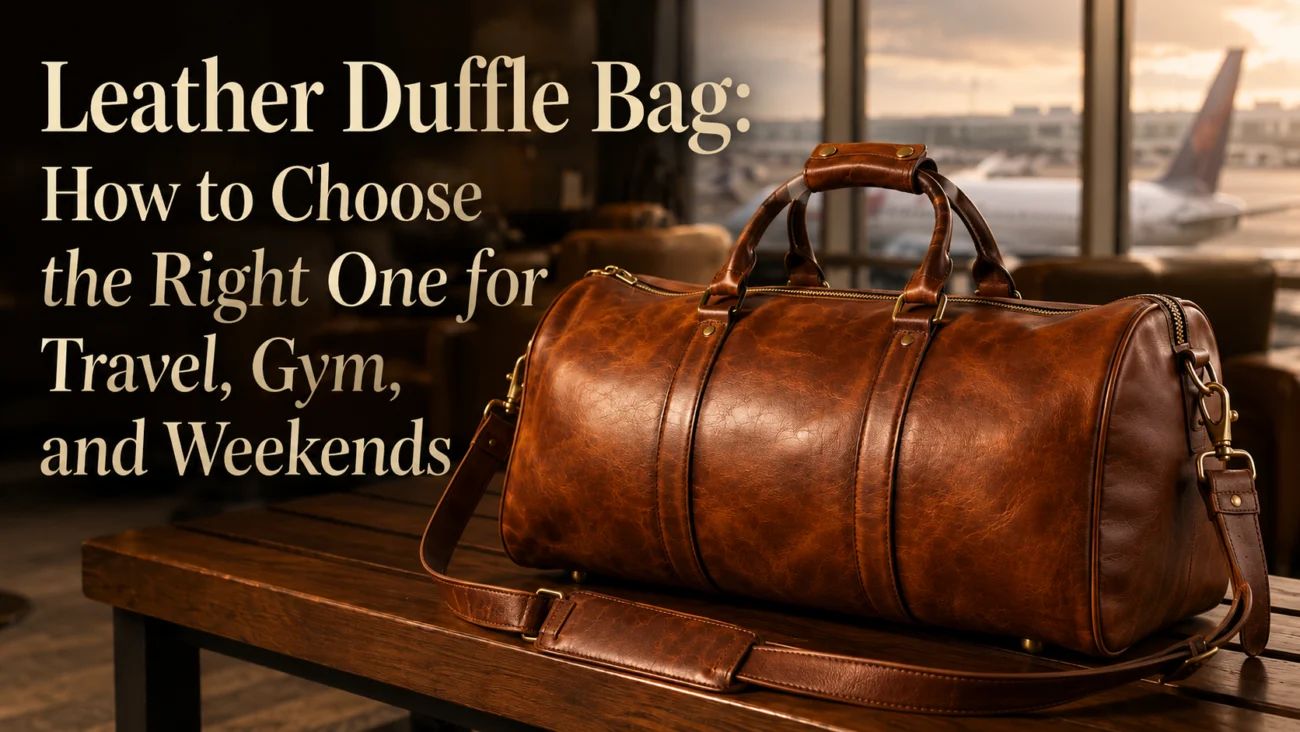
Leather Duffle Bag: How to Choose the Right One for Travel, Gym, and Weekends
A leather duffle bag is one of the most stylish and durable ways to pack for a short trip, blending the roomy, soft-sided shape of a cl...
Leather Shoulder Bag: How to Choose the Right One for Everyday Use
A leather shoulder bag is one of the most versatile everyday bag styles you can own, carried on one shoulder with a short strap and sit...
Leather Backpack: How to Choose the Right One for Work, Travel, and Everyday Use
Knowing how to choose a leather backpack comes down to a few honest questions: will it fit your laptop, sit comfortably on your shoulde...
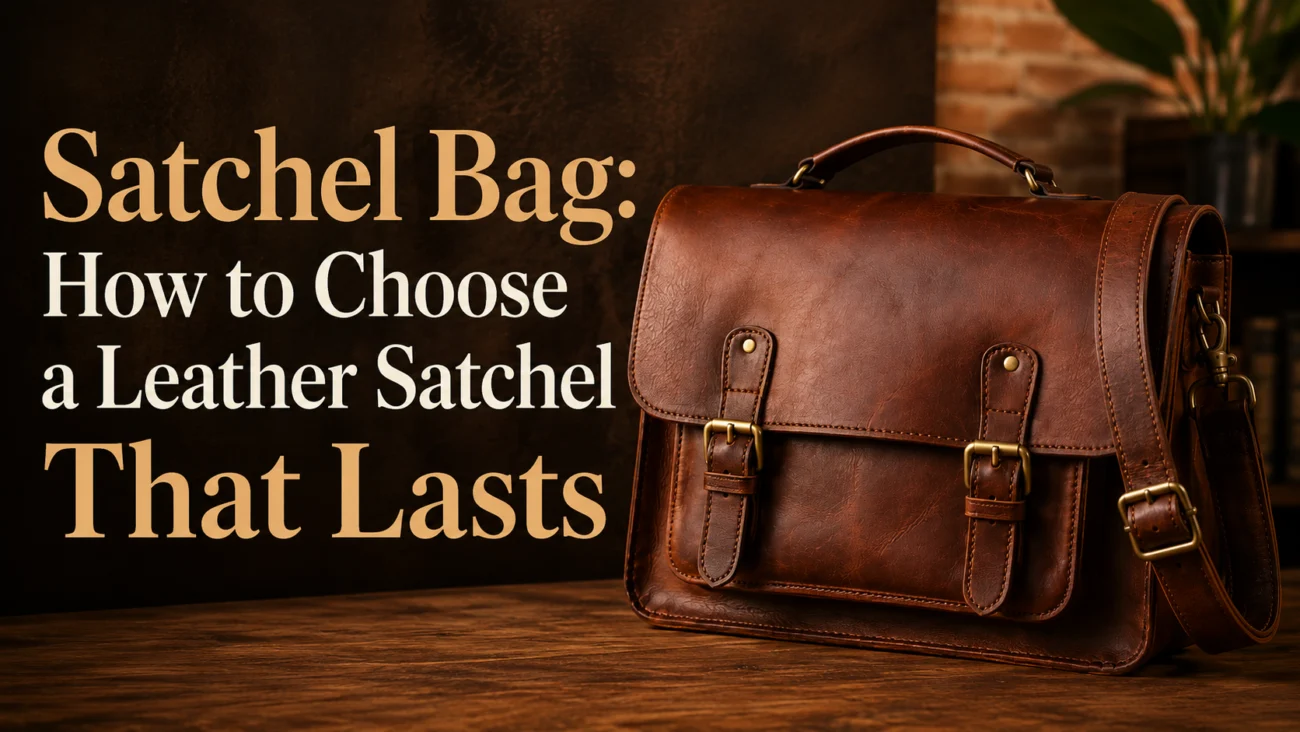
Satchel Bag: How to Choose a Leather Satchel That Lasts
A satchel bag is one of the most useful bags you can own, sitting neatly between a relaxed backpack and a formal briefcase — structured...
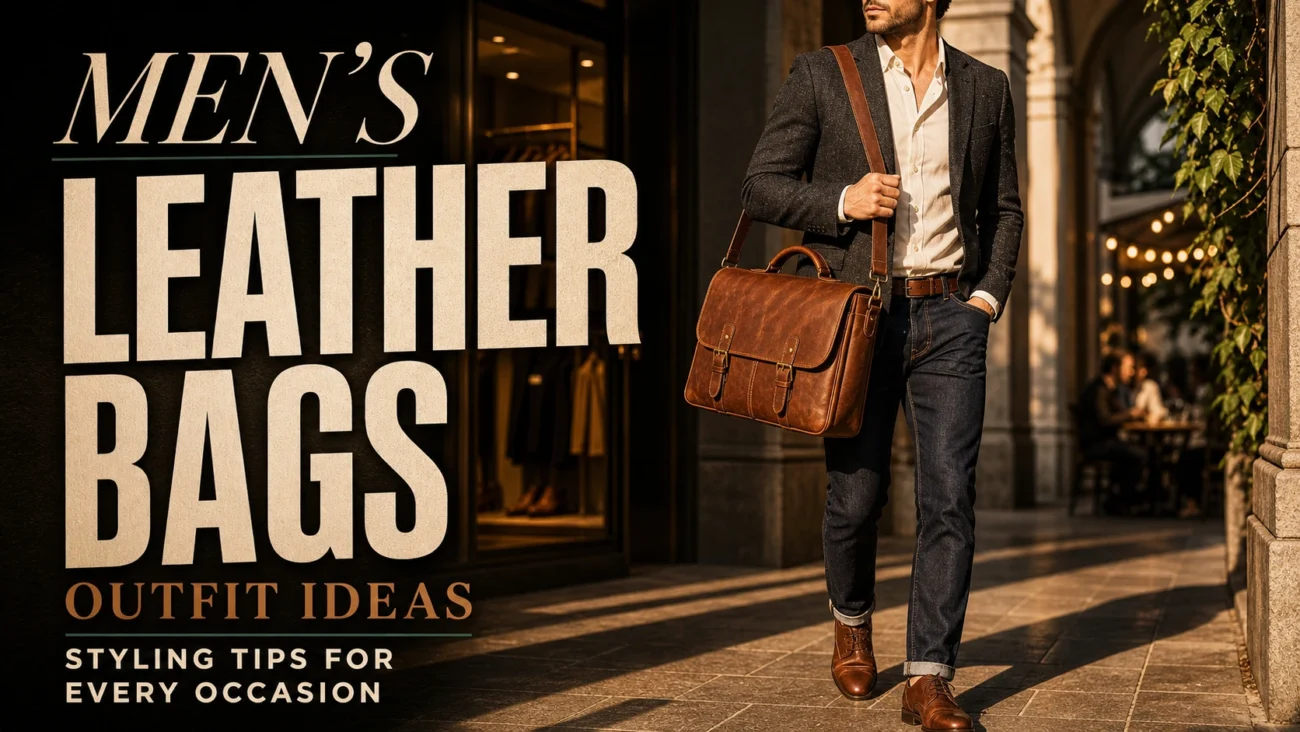
Leather Bag Men: Outfit Ideas and Styling Tips for Every Occasion
Finding the right leather bag men can confidently carry in any setting — from the boardroom to the weekend — is easier than most think....