Free Shipping Over $100 · Satisfaction Guarantee · Handcrafted by Artisans

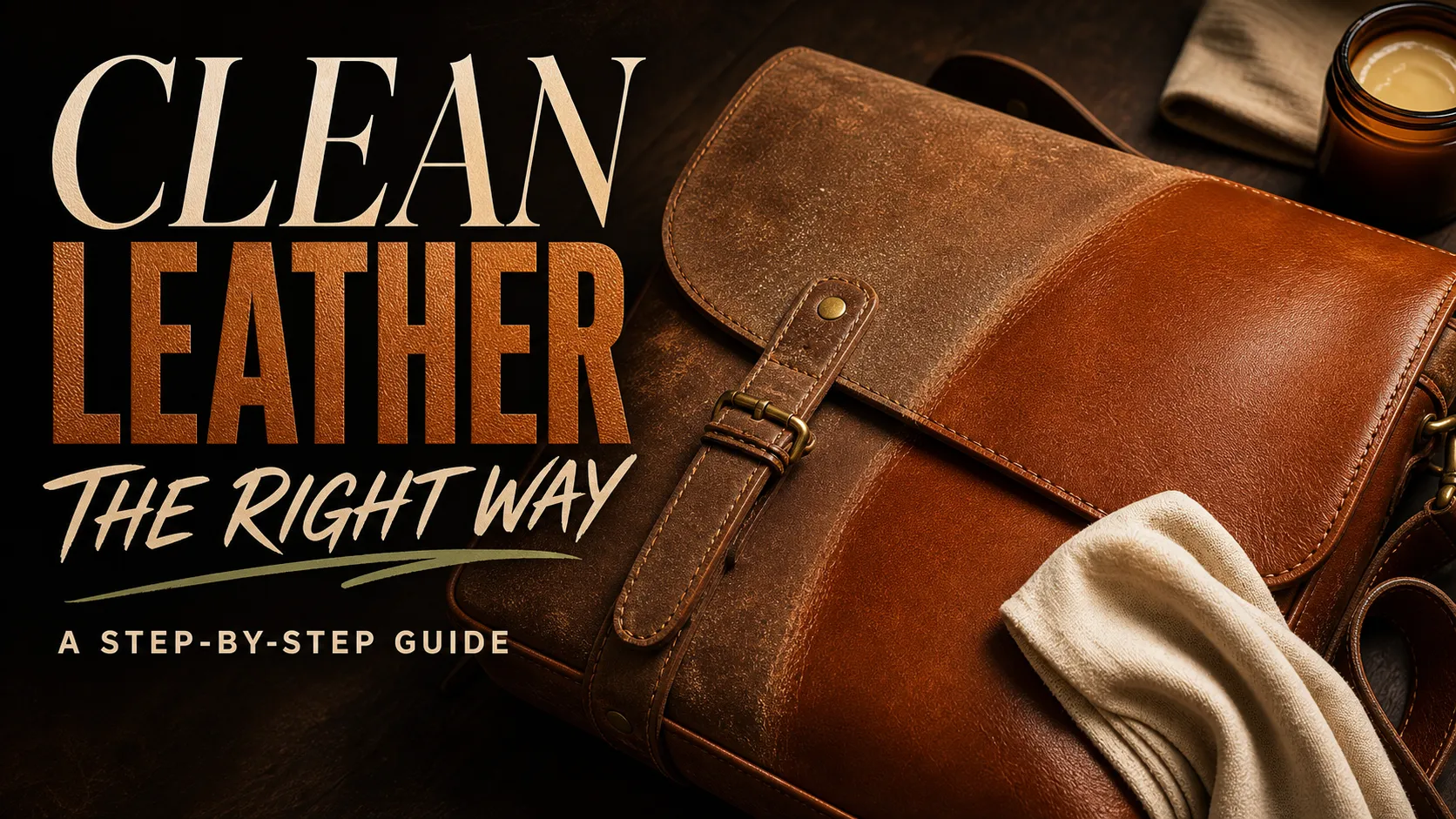
Knowing how to clean leather properly is the single most important skill any leather owner can develop. Whether you are dealing with a handmade leather bag, a jacket, shoes, a sofa, or a car interior, the same core principles apply — and getting them wrong can cause more damage than the dirt itself.
Leather is a natural material. It breathes, absorbs, and reacts to everything it touches. That is what makes it beautiful and why it ages so well. But it also means that harsh chemicals, abrasive scrubbing, and excessive moisture can strip its natural oils, damage the finish, and leave permanent marks.
This guide walks you through how to clean leather safely and effectively — from routine upkeep to stubborn stain removal — so your leather stays soft, supple, and looking its best for years.
Why Leather Needs Careful Cleaning
Before reaching for any product or tool, it helps to understand why leather requires a different approach than most materials.
Leather is made from animal hide that has been tanned to preserve its fibre structure. This tanning process stabilises the collagen in the hide, but the material remains porous and semi-permeable. It absorbs liquids, oils, and airborne particles over time — which is part of what allows full grain leather to develop its distinctive patina.
The goal of cleaning leather is to remove surface dirt and contaminants without disturbing the natural oils that keep the fibres supple. Strip those oils away — with alcohol-based cleaners, household detergents, or too much water — and the leather dries out, stiffens, and eventually cracks.
The golden rule: clean gently, condition afterward.
What You Need to Clean Leather
You do not need an expensive kit. The best leather cleaning tools are simple, accessible, and gentle.
Essential supplies:
- Soft, lint-free cloths — Microfibre or clean cotton rags. You will need at least two: one for cleaning, one for drying and buffing.
- Clean lukewarm water — The universal safe solvent for leather. Never hot water.
- Mild leather cleaner — A pH-balanced cleaner specifically formulated for leather. The best leather cleaner is one free of harsh chemicals, alcohol, and strong solvents.
- Leather conditioner — To restore moisture after cleaning. Beeswax-based or lanolin-based formulas work best.
- Soft-bristled brush — A horsehair brush is ideal for dusting and working cleaner into textured surfaces like nubuck or pebbled grain.
What to avoid entirely:
- Household cleaners (all-purpose sprays, kitchen cleaners, bathroom cleaners)
- Bleach, ammonia, or acetone
- Baby wipes or alcohol-based wipes
- Abrasive sponges, scrub brushes, or rough cloths
- Hair dryers, radiators, or direct sunlight for drying
How to Clean Leather: Step by Step
This routine works for leather bags, wallets, belts, shoes, leather furniture, and most smooth leather goods. Follow each step in order.
Step 1: Dust and Remove Surface Debris
Start by wiping the entire leather surface with a dry, soft cloth or dusting it gently with a horsehair brush. This removes loose dust, dirt, and particles that could scratch the surface during wet cleaning.
For bags, empty all contents first. Turn pockets inside out and shake gently to dislodge crumbs or debris from the interior. For leather settees and furniture, remove cushions and vacuum the crevices with a soft brush attachment before wiping down the leather surfaces.
Step 2: Prepare Your Cleaning Solution
Dampen a clean microfibre cloth with lukewarm water. If the leather needs more than a water wipe, add a small amount of leather-specific cleaner to the cloth — follow the product’s instructions for dilution.
For a simple homemade solution, a few drops of mild, fragrance-free liquid soap in lukewarm water works in a pinch. However, a dedicated leather cleaner is always the safer choice because it is formulated to match leather’s pH balance.
Step 3: Wipe the Surface Gently
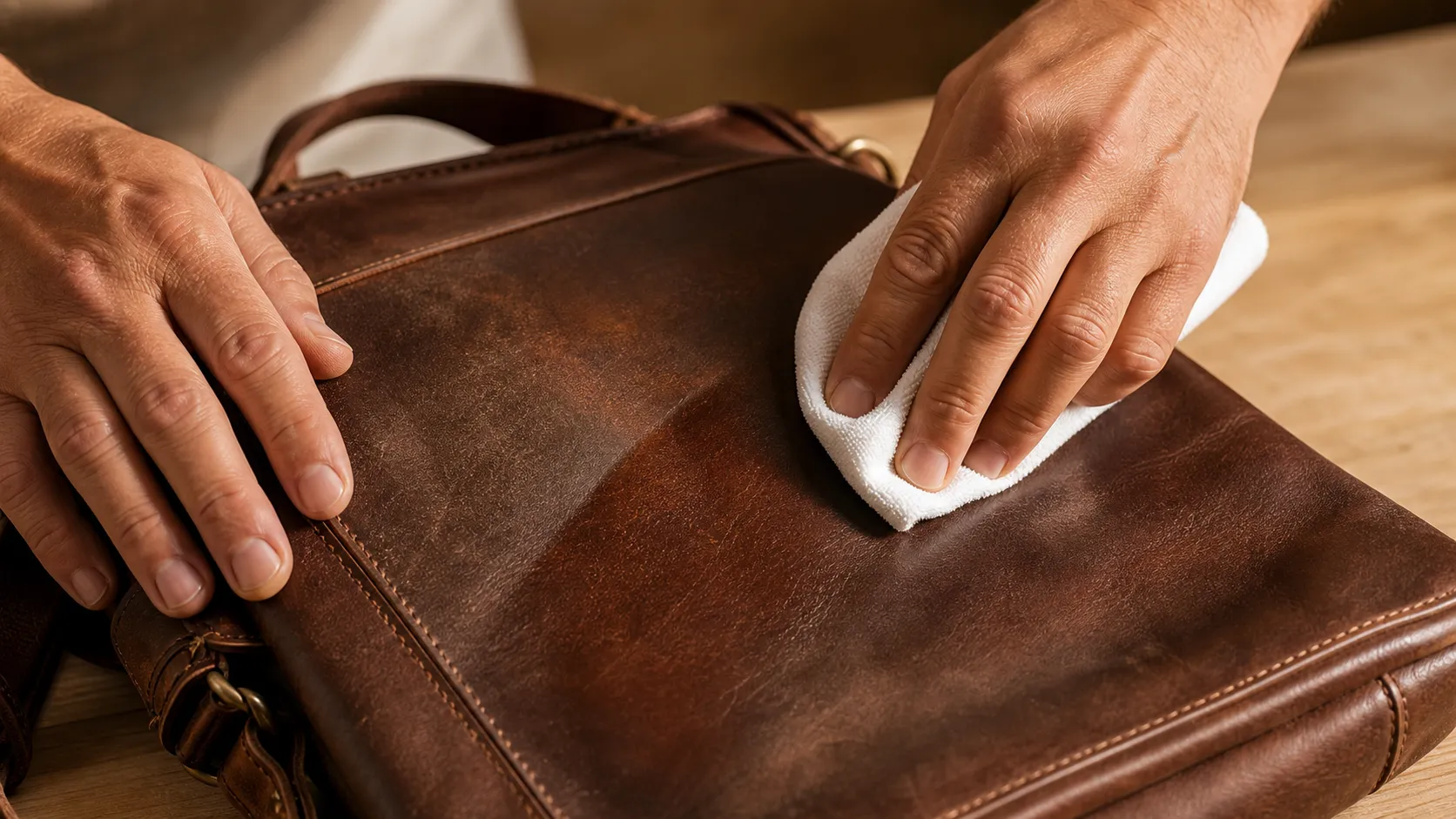
Using the damp cloth, wipe the leather in smooth, even strokes. Work in sections — start at the top and move downward. Use gentle pressure. The goal is to lift dirt from the surface, not to scrub it deeper into the grain.
For textured or pebbled leather, use small circular motions to clean into the grain pattern. For smooth leather, straight strokes in one direction produce the cleanest result.
Do not saturate the leather. The cloth should be damp, not dripping. If you can squeeze water out of it, wring it out more before touching the leather.
Step 4: Wipe Dry Immediately
As soon as you finish cleaning a section, follow with a dry, clean cloth to absorb any residual moisture. Do not let water sit on the leather surface — even small amounts can leave water marks on unfinished or lightly finished leather.
Step 5: Let It Air Dry Completely
After wiping dry, leave the leather to air dry at room temperature in a well-ventilated space. This typically takes a few hours. Never use a hair dryer, place leather near a radiator, or leave it in direct sunlight to dry — heat causes the fibres to contract, stiffen, and crack.
Step 6: Condition
Once the leather is fully dry, apply a thin layer of leather conditioner with a soft cloth. Work it in with gentle circular motions, let it absorb for ten to fifteen minutes, then buff off any excess. Conditioning after cleaning is essential — it replaces the natural oils that the cleaning process inevitably removes, keeping the leather soft and protected.
How to Remove Common Stains From Leather
Different stains require different treatments. The key with all stain removal is to act quickly — the longer a stain sits, the deeper it penetrates.
Ink Stains
Dab — never rub — the stained area with a cotton swab or cotton ball lightly moistened with rubbing alcohol. Work from the outside edge of the stain inward to prevent spreading. Blot gently and repeat until the ink lifts. Condition the area immediately afterward, as alcohol strips moisture from the leather.
Oil and Grease
Sprinkle a thin layer of cornstarch, baking soda, or talcum powder over the stain. Let it sit for several hours or overnight — the powder draws the oil out of the leather. Brush away the powder gently with a soft brush the next day. Repeat if the stain persists. Do not attempt to wash oil stains with water — water and oil do not mix, and you risk spreading the mark.
Water Marks
If a water mark has dried on the leather, dampen the entire panel evenly with a lightly wet cloth so the tone equalises across the surface. Let it dry naturally and apply conditioner once dry. The mark blends into the overall colour as the leather dries uniformly.
Food and Drink Spills
Blot immediately with a clean dry cloth to absorb as much as possible. Then wipe the area gently with a lightly damp cloth. For sticky residues, a tiny amount of mild soap on the damp cloth can help. Dry and condition afterward.
Mould and Mildew
If mould has formed — usually from improper storage in humid conditions — wipe the affected area with a cloth dampened with a 1:1 mixture of rubbing alcohol and water. Let it air dry completely in a well-ventilated space. Condition thoroughly once dry. If mould has penetrated deep into the leather, seek professional help.
How to Clean Different Types of Leather
Not all leather responds the same way to cleaning. The type of leather determines how much moisture it can handle and which products are safe.
Full Grain and Top Grain Leather
These are the most resilient to cleaning. The intact grain surface (full grain) or the sealed finish (top grain) provides a degree of natural protection. Follow the standard step-by-step method above. Full grain leather responds beautifully to conditioning after cleaning and will develop a richer patina over time.
Nubuck and Suede
These textured leathers have an open, brushed surface that absorbs liquids instantly. Do not use water or liquid cleaners on nubuck or suede. Instead, use a specialised nubuck/suede brush to lift dirt from the surface and a nubuck eraser for spot stain removal. Steam cleaning (held at a safe distance) can help refresh the nap. Protect with a suede-specific waterproofing spray.
Patent Leather
The glossy lacquer finish on patent leather makes it easy to wipe clean with a damp cloth. However, the coating is vulnerable to scuffing and can attract fingerprints. A small amount of petroleum jelly on a soft cloth can restore shine and buff out minor scuffs. Avoid solvents, which can cloud or dissolve the finish.
Leather Furniture and Settees
Cleaning a leather settee follows the same principles as cleaning a leather bag, but at a larger scale. Dust the entire surface with a dry cloth or vacuum with a soft brush attachment. Wipe down with a damp cloth section by section. Pay particular attention to armrests, headrests, and seat edges — the areas that accumulate the most body oil and dirt. Condition after cleaning to prevent the leather from drying out, especially in heated rooms.
Leather Wipes: Are They Worth Using?
Pre-moistened leather wipes are widely available and marketed as a convenient cleaning solution. They have a place, but with important caveats.
When leather wipes work well:
- Quick spot cleaning when you are on the go
- Removing light surface dust or fingerprints
- Freshening up leather between deeper cleaning sessions
When to avoid them:
- For deep cleaning or stain removal — wipes do not have enough cleaning power
- If they contain alcohol, silicone, or strong fragrances — these can dry out or damage leather
- As a replacement for proper conditioning — wipes clean but do not replenish moisture
If you choose to use leather wipes, select ones specifically formulated for leather care (not baby wipes or household wipes) and follow up with conditioner periodically to ensure the leather stays nourished.
How Often Should You Clean Leather?
The right cleaning schedule depends on how the leather is used:
| Item | Light Cleaning | Deep Cleaning | Conditioning |
|---|---|---|---|
| Everyday bag | Weekly dust wipe | Monthly | Every 3–4 months |
| Occasional bag | Before/after each use | Every 2–3 months | Every 6 months |
| Leather settee/sofa | Weekly dust/wipe | Monthly | Every 3–6 months |
| Leather shoes | After each wear | Every 2–4 weeks | Monthly |
| Leather jacket | After each wear | Seasonally | Seasonally |
The best indicator is the leather itself. If it looks dull, feels dry, or shows visible dirt accumulation, it is time to clean and condition — regardless of the calendar.
Frequently Asked Questions
What is the best way to clean leather?
Wipe the surface with a soft, damp microfibre cloth using gentle strokes. For deeper cleaning, use a pH-balanced leather cleaner applied to the cloth — never directly to the leather. Wipe dry immediately, let air dry at room temperature, and apply a leather conditioner once fully dry. This method works for bags, furniture, shoes, and most smooth leather goods.
Can you use baby wipes on leather?
No. Baby wipes often contain alcohol, fragrances, and moisturisers that are not formulated for leather. They can strip natural oils, leave residue, and cause discolouration over time. Use wipes specifically designed for leather care, or simply use a damp cloth for routine cleaning.
How do you clean a leather settee at home?
Vacuum the settee with a soft brush attachment to remove loose debris. Wipe the entire surface with a clean, lightly damp cloth, working in sections. Pay extra attention to armrests and headrests where body oils accumulate. Dry each section immediately with a clean cloth. Once fully dry, apply leather conditioner to keep the leather supple and prevent cracking.
Does cleaning leather damage it?
Cleaning leather with the right methods and products does not damage it — it extends its lifespan. Damage occurs when people use harsh chemicals (bleach, household cleaners, alcohol-based products), scrub too aggressively, or soak the leather with excessive water. Gentle cleaning with appropriate tools followed by conditioning is always safe.
What should you never use on leather?
Never use bleach, ammonia, acetone, rubbing alcohol (except for targeted ink stain removal), household all-purpose cleaners, abrasive sponges, or any product not specifically formulated for leather. Also avoid excessive water, direct heat for drying, and silicone-based products that seal the surface and prevent the leather from breathing.
Clean Leather Lasts Longer
Regular, gentle cleaning is not about vanity — it is about preservation. Dirt, oil, and grime break down leather fibres over time, dulling the surface and accelerating wear. A simple routine of dusting, occasional damp wiping, and consistent conditioning keeps your leather soft, vibrant, and protected for decades.
The better the leather, the more it rewards your care. Every bag in our collection is crafted from full grain leather — the most durable, most beautiful grade available — built to age gracefully with nothing more than simple, regular attention.
Related posts
Leather Messenger Bag: How to Choose the Right One for Work and Commuting
Knowing how to choose a leather messenger bag comes down to a few honest questions: will it protect your laptop, sit comfortably across...
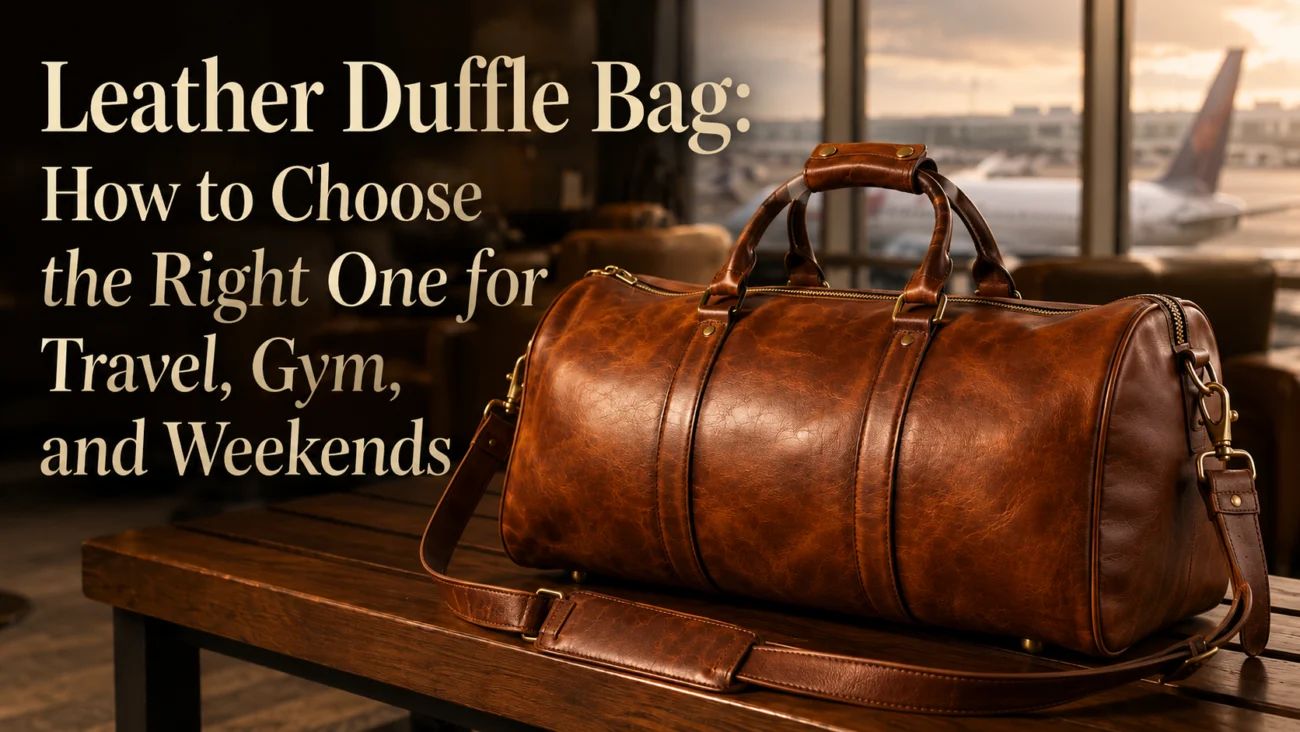
Leather Duffle Bag: How to Choose the Right One for Travel, Gym, and Weekends
A leather duffle bag is one of the most stylish and durable ways to pack for a short trip, blending the roomy, soft-sided shape of a cl...
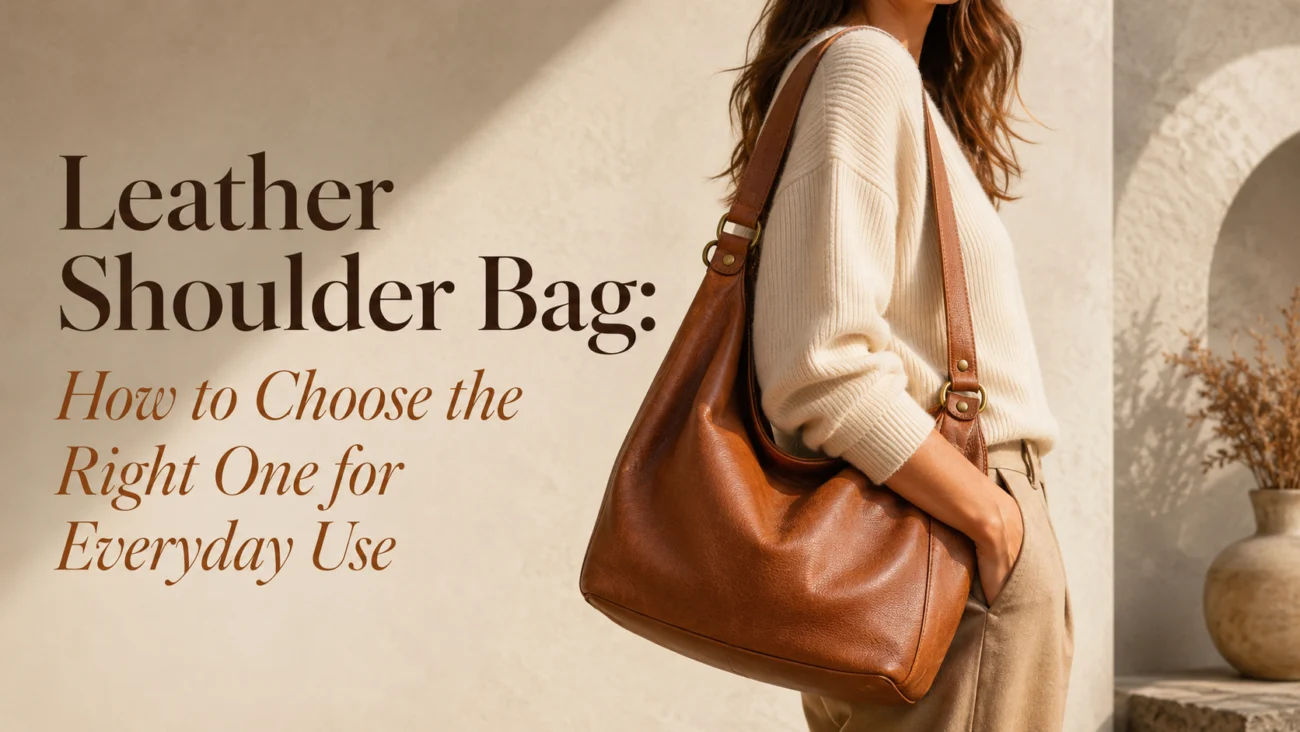
Leather Shoulder Bag: How to Choose the Right One for Everyday Use
A leather shoulder bag is one of the most versatile everyday bag styles you can own, carried on one shoulder with a short strap and sit...
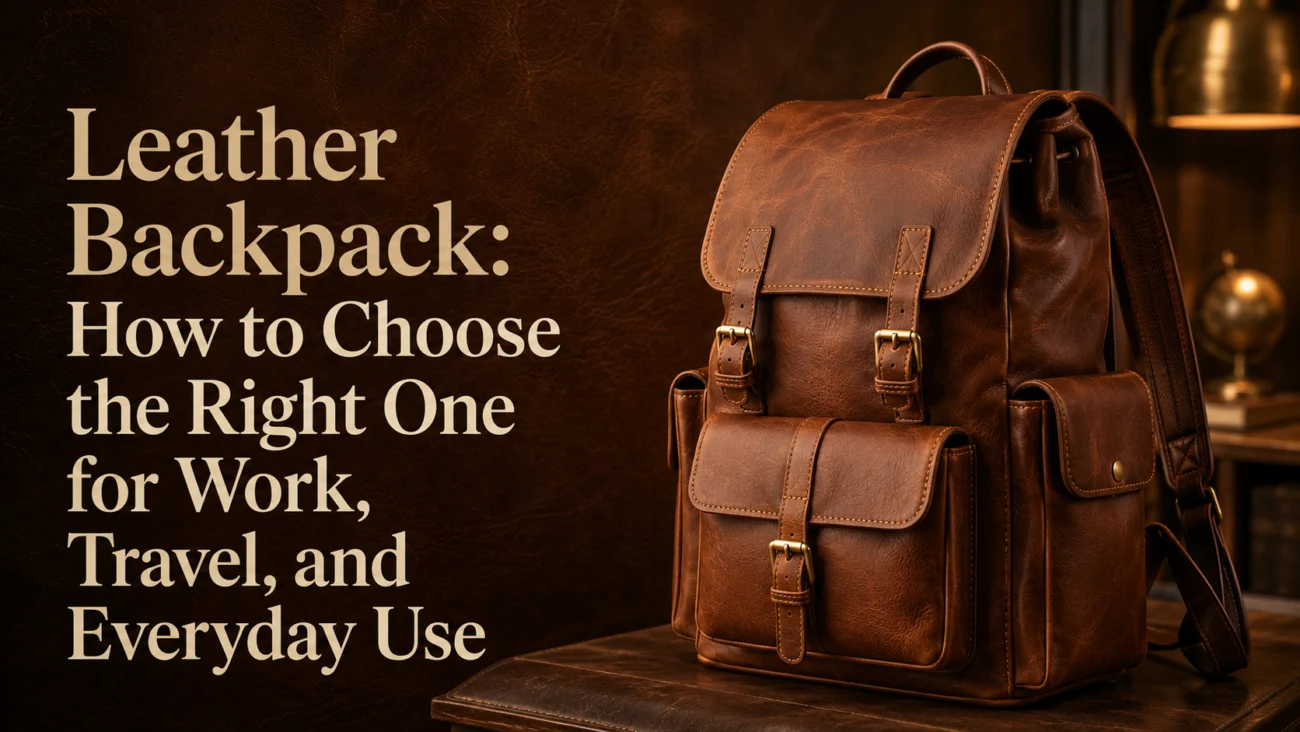
Leather Backpack: How to Choose the Right One for Work, Travel, and Everyday Use
Knowing how to choose a leather backpack comes down to a few honest questions: will it fit your laptop, sit comfortably on your shoulde...
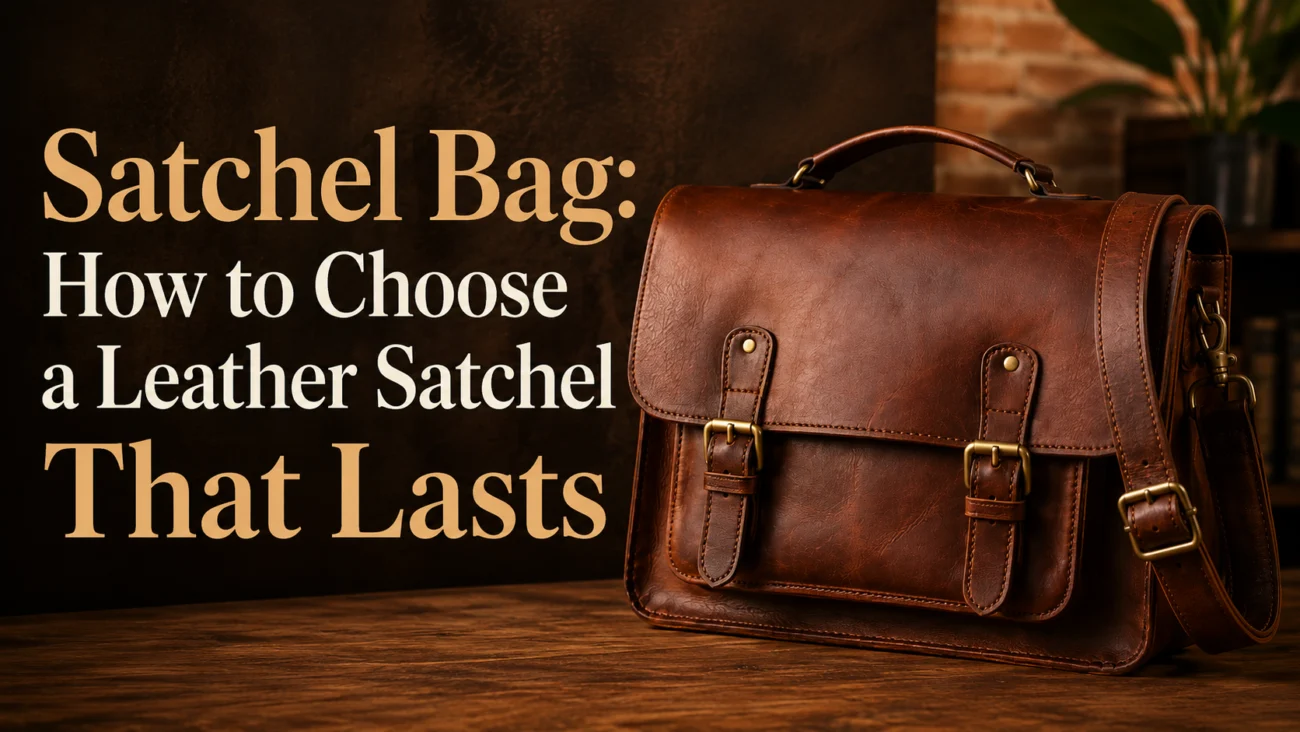
Satchel Bag: How to Choose a Leather Satchel That Lasts
A satchel bag is one of the most useful bags you can own, sitting neatly between a relaxed backpack and a formal briefcase — structured...

Leather Bag Men: Outfit Ideas and Styling Tips for Every Occasion
Finding the right leather bag men can confidently carry in any setting — from the boardroom to the weekend — is easier than most think....