Free Shipping Over $100 · Satisfaction Guarantee · Handcrafted by Artisans


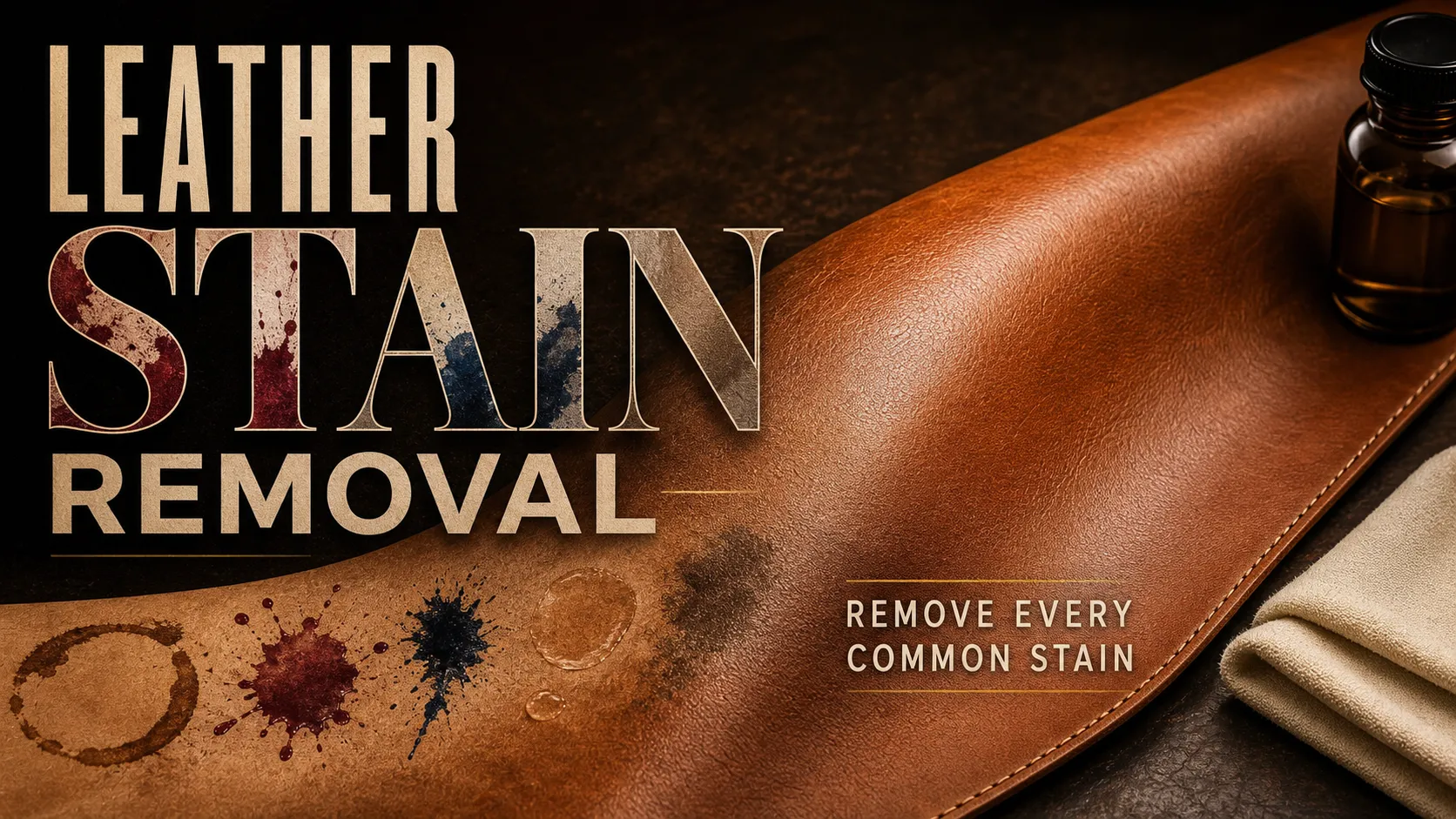
Leather stain removal is a skill every leather owner should have. Whether it is an ink mark, an oil spot, a water ring, or a coffee spill, knowing how to handle stains quickly and correctly can save your leather bag from permanent damage.
The most important rule with leather stain removal: act fast. The longer a stain sits, the deeper it penetrates into the fibres — and the harder it becomes to remove. Most stains that seem permanent simply were not treated soon enough.
This guide covers every common leather stain you are likely to encounter, with step-by-step methods for removing each one safely.
Before You Start: Essential Rules
Every leather stain removal attempt should follow these principles:
- Test first. Apply any product to a hidden area (inside a flap, under the base) before using it on the visible stain. Wait ten minutes and check for discolouration.
- Blot, never rub. Rubbing pushes the stain deeper and can spread it. Always blot gently with a clean cloth.
- Work outside in. Start from the outer edge of the stain and work inward. This prevents the stain from spreading.
- Condition after. Every cleaning treatment strips some natural oils. Always follow leather stain removal with a conditioning treatment to restore moisture.
- Know your leather. Different types of leather respond differently. Full grain leather is the most resilient. Suede and nubuck are far more delicate and require specialist products.
How to Remove Ink Stains From Leather
Ink is one of the most common and most feared leather stains — but it is removable if treated quickly.
Method:
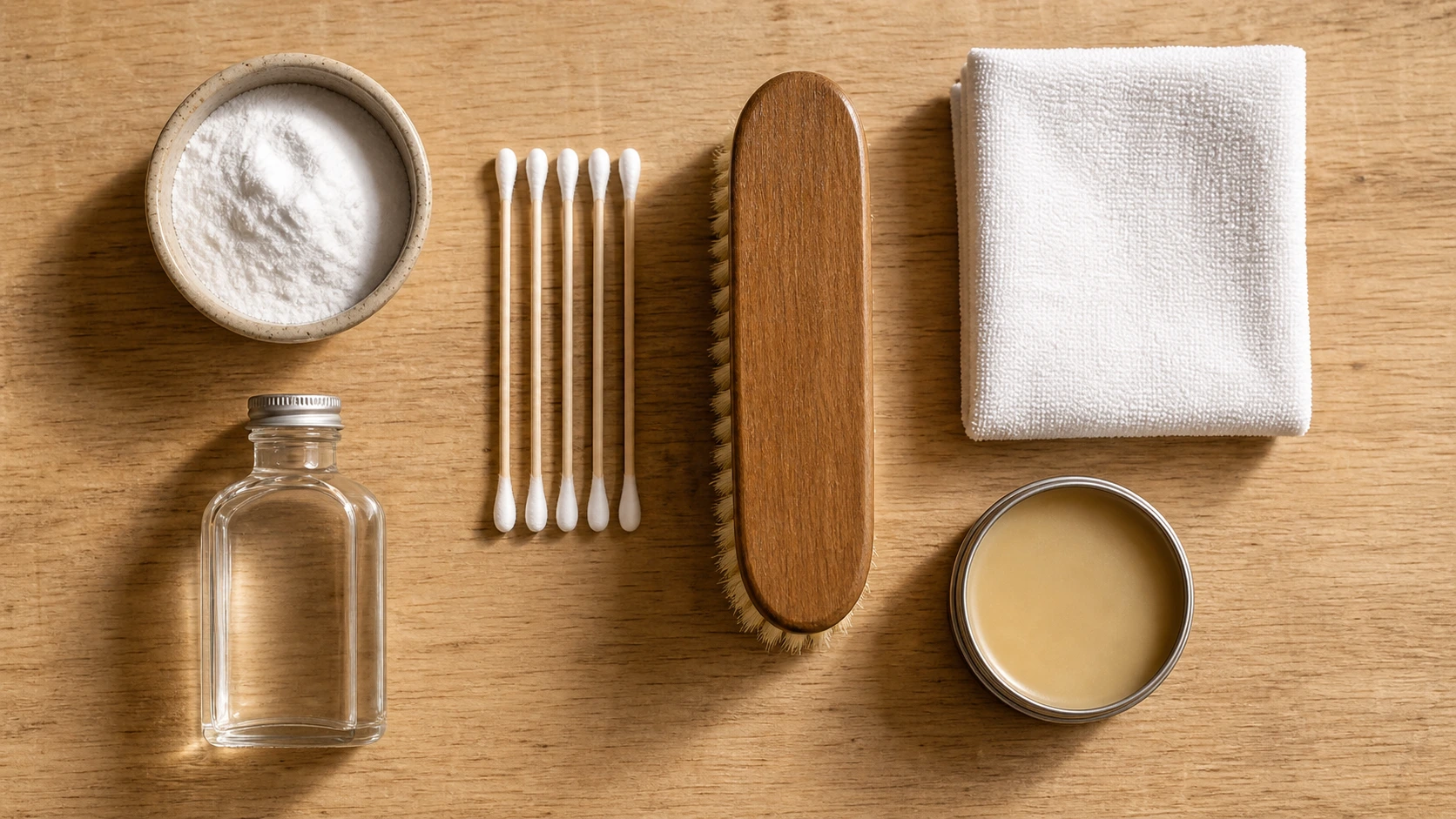
- Dab a cotton swab or cotton ball with rubbing alcohol (isopropyl alcohol)
- Gently blot the ink stain — do not rub
- Work from the outside of the stain inward
- Replace the cotton swab as it absorbs ink to avoid redistributing the pigment
- Once the ink lifts, wipe the area with a clean damp cloth
- Let dry and apply leather conditioner immediately
Important: Rubbing alcohol strips moisture aggressively. Condition the treated area thoroughly after cleaning. For large or stubborn ink stains, seek professional help rather than over-treating.
How to Remove Oil and Grease Stains
Oil stains — from food, hand cream, makeup, or cooking — darken leather and can become permanent if not absorbed.
Method:
- Blot any excess oil immediately with a clean dry cloth
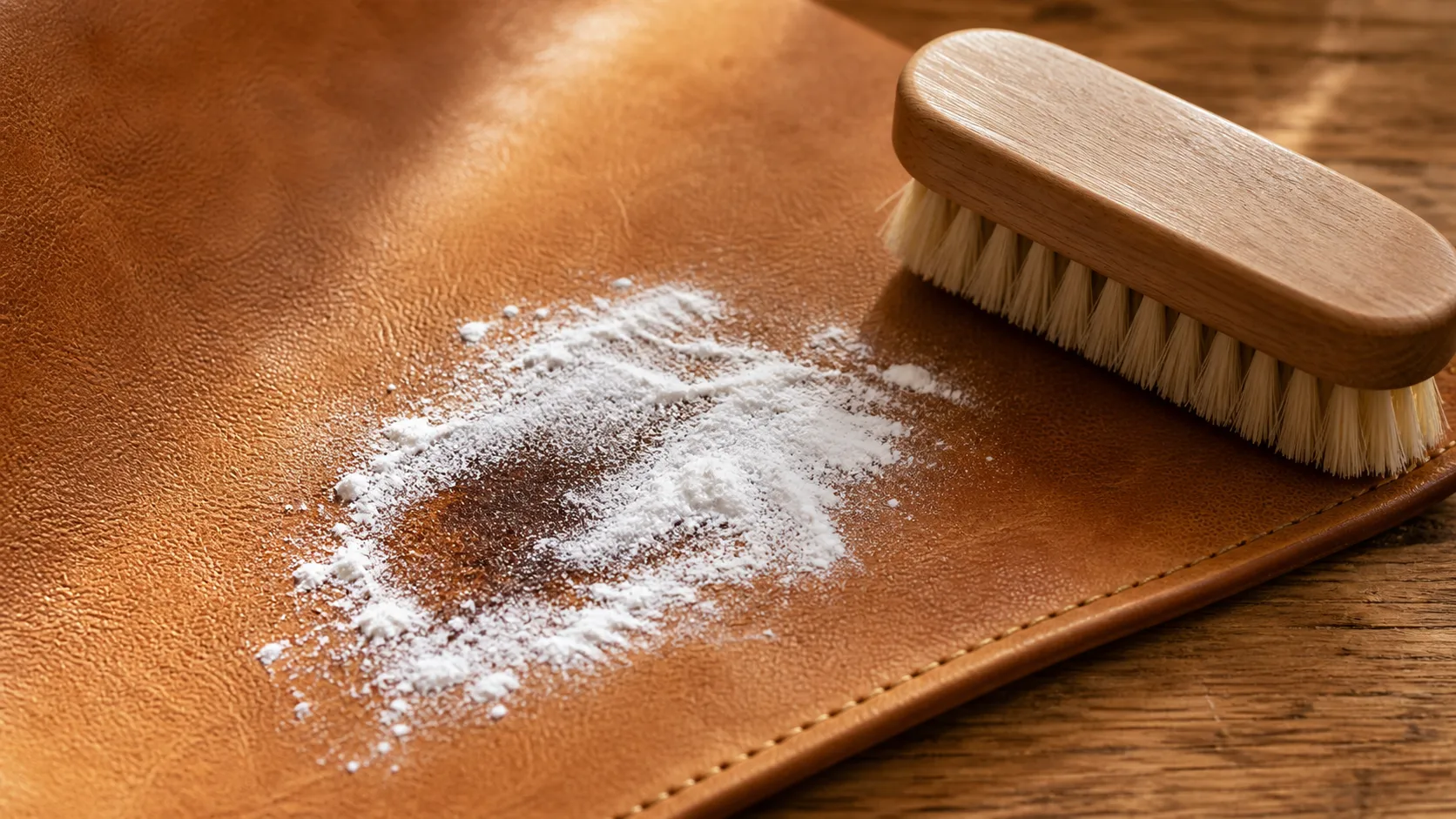
- Sprinkle cornstarch, baking soda, or talcum powder generously over the stain
- Let it sit for 6 to 8 hours or overnight — the powder absorbs the oil
- Brush away the powder gently with a soft brush
- Repeat if the stain persists
- Condition the area once clean
Do not use water or soap on oil stains — water and oil do not mix, and soap can spread the mark further.
How to Remove Water Marks From Leather
Water marks appear when part of the leather gets wet and dries unevenly, leaving a visible boundary between the wet and dry areas.
Method:
- Lightly dampen a clean cloth with water
- Wipe the entire affected panel evenly — not just the stain — so the moisture level equalises across the surface
- Let the leather dry naturally at room temperature
- Condition once fully dry
The water mark disappears because the entire surface dries at the same rate, eliminating the visible boundary. For more on handling wet leather, see our waterproofing guide.
How to Remove Food and Drink Stains
Coffee, wine, juice, sauce — these are common and need immediate attention.
Method:
- Blot the spill immediately with a clean dry cloth — absorb as much as possible
- Dampen a fresh cloth with clean water and a tiny amount of mild, fragrance-free soap
- Gently wipe the stained area
- Wipe again with a clean damp cloth (water only) to remove soap residue
- Blot dry and let air dry at room temperature
- Condition the area
For red wine specifically, after initial blotting, the cornstarch/baking soda method (same as oil stains) can help draw out residual colour.
How to Remove Mould and Mildew
Mould occurs when leather is stored in damp, poorly ventilated conditions.
Method:
- Take the bag outside or to a well-ventilated area
- Brush off visible mould with a soft dry brush
- Dampen a cloth with a 1:1 mixture of rubbing alcohol and water
- Wipe the affected areas gently
- Let the leather air dry completely in a ventilated space — not in a closed room
- Condition thoroughly once dry
Prevention: Store leather in breathable dust bags in cool, dry spaces. Never store in plastic. Read our storage guidelines for proper leather storage practices.
How to Remove Scuffs and Scratches
Light scuffs and scratches on full grain leather are usually cosmetic — they affect the surface finish, not the structural integrity.
Method:
- Rub the scuff gently with a clean fingertip — the warmth and natural oils help the leather fibres resettle
- For slightly deeper marks, apply a small amount of leather conditioner and work it into the mark with circular motions
- Buff with a soft cloth
On crazy horse leather, scuffs disappear almost instantly because the wax coating redistributes with friction
On full grain leather, minor scratches blend naturally into the developing patina over time — they become part of the bag’s character.
How to Handle Dye Transfer
Dark denim, newspaper print, and coloured clothing can transfer dye onto lighter-coloured leather.
Method:
- Wipe the area immediately with a damp cloth
- If the transfer persists, apply a small amount of leather cleaner to a cloth and wipe gently
- For stubborn transfers, a cotton swab with rubbing alcohol (tested first) can lift the dye
- Condition after treatment
Prevention: Be cautious wearing new, unwashed dark denim against light leather — this is the most common source of dye transfer.
Quick Reference: Leather Stain Removal Methods
| Stain Type | Best Treatment | Time Required | Condition After? |
|---|---|---|---|
| Ink | Rubbing alcohol on cotton swab | 5–15 minutes | Yes — immediately |
| Oil / Grease | Cornstarch or baking soda | Overnight | Yes |
| Water marks | Even dampening of full panel | 2–4 hours drying | Yes |
| Food / Drink | Damp cloth + mild soap | 10–20 minutes | Yes |
| Mould | Rubbing alcohol + water (1:1) | 30 minutes + air drying | Yes — thoroughly |
| Scuffs | Rub with fingertip or conditioner | 1–2 minutes | Optional |
| Dye transfer | Damp cloth or leather cleaner | 10–20 minutes | Yes |
Keep this table bookmarked. When a stain happens, speed matters more than perfection — knowing the right treatment instantly gives you the best chance of complete removal.
For routine cleaning beyond stain treatment, our complete leather cleaning guide covers the full process. For conditioning after any stain treatment, follow our step-by-step conditioning guide.
When to Seek Professional Help
Not every stain can or should be treated at home. Consult a leather specialist when:
- The stain covers a large area or has set deeply
- Home treatments have not worked after two attempts
- The leather has changed colour or texture around the stain
- You are dealing with permanent marker, paint, or chemical spills
- The bag is high-value or irreplaceable
Professional leather cleaners have access to specialised solvents and restoration techniques that are not safe for home use. For routine maintenance between stain treatments, see our leather cleaning guide.
Frequently Asked Questions
Can you remove stains from leather?
Yes — most common stains can be removed from leather if treated promptly. Ink, oil, water marks, food spills, and mould all respond to the right cleaning methods. The key is acting quickly, using appropriate products, and conditioning the leather afterward.
Does baking soda damage leather?
No — baking soda is safe for leather when used correctly. It is particularly effective for absorbing oil and grease stains. Apply it to the stain, let it sit overnight, and brush it away gently. It does not chemically react with leather or strip its natural oils.
How do you remove a stain without ruining leather?
Always test your cleaning method on a hidden area first. Blot rather than rub, work from the outside of the stain inward, and use the gentlest effective method. Follow every treatment with leather conditioner to restore moisture. Avoid household cleaners, bleach, and abrasive tools.
Can water stain leather permanently?
Water marks on leather are rarely permanent. Evening out the moisture across the entire panel and letting it dry naturally removes most water marks completely. Conditioning afterward restores the leather’s original appearance. Only severe, untreated water damage risks lasting discolouration.
Act Fast, Condition After
Leather stain removal is rarely complicated — it just requires speed and the right approach. Blot quickly, use gentle products, condition afterward, and your leather will recover from almost anything daily life throws at it.
Browse Our Full Grain Leather Bags →
Related posts
Leather Messenger Bag: How to Choose the Right One for Work and Commuting
Knowing how to choose a leather messenger bag comes down to a few honest questions: will it protect your laptop, sit comfortably across...
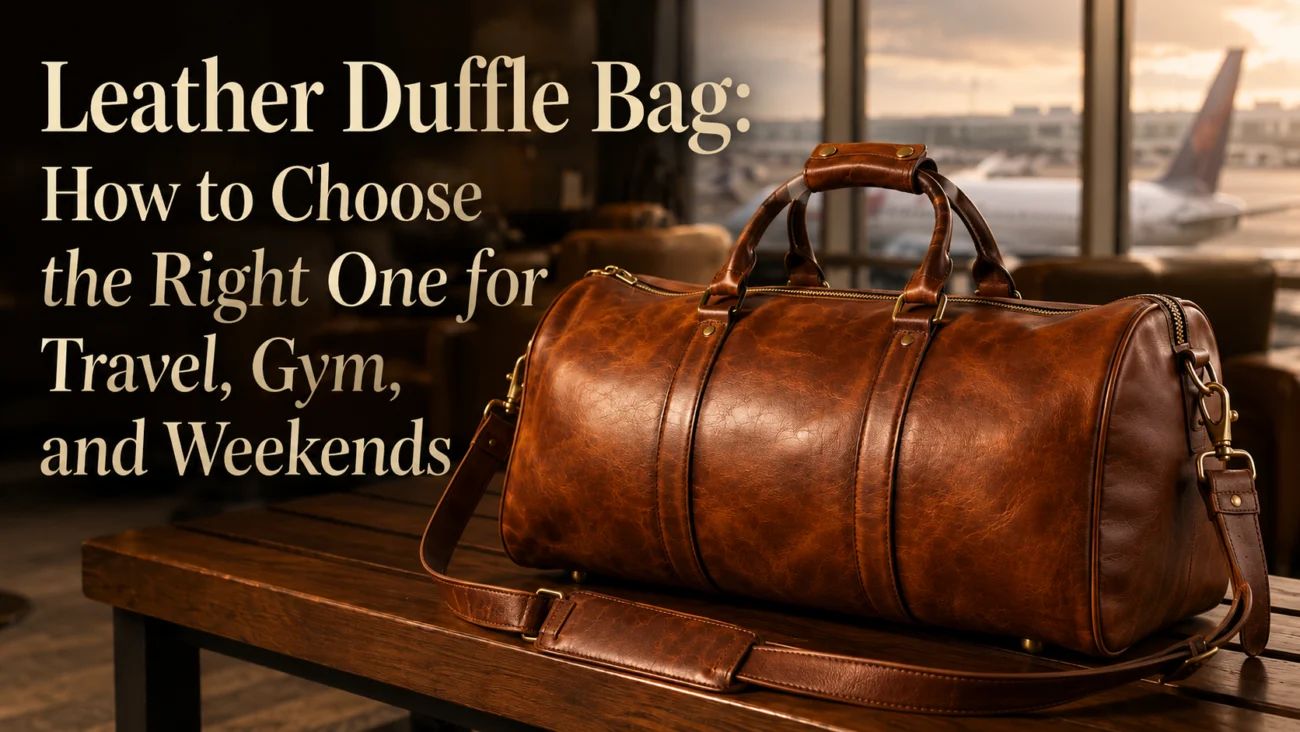
Leather Duffle Bag: How to Choose the Right One for Travel, Gym, and Weekends
A leather duffle bag is one of the most stylish and durable ways to pack for a short trip, blending the roomy, soft-sided shape of a cl...

Leather Shoulder Bag: How to Choose the Right One for Everyday Use
A leather shoulder bag is one of the most versatile everyday bag styles you can own, carried on one shoulder with a short strap and sit...
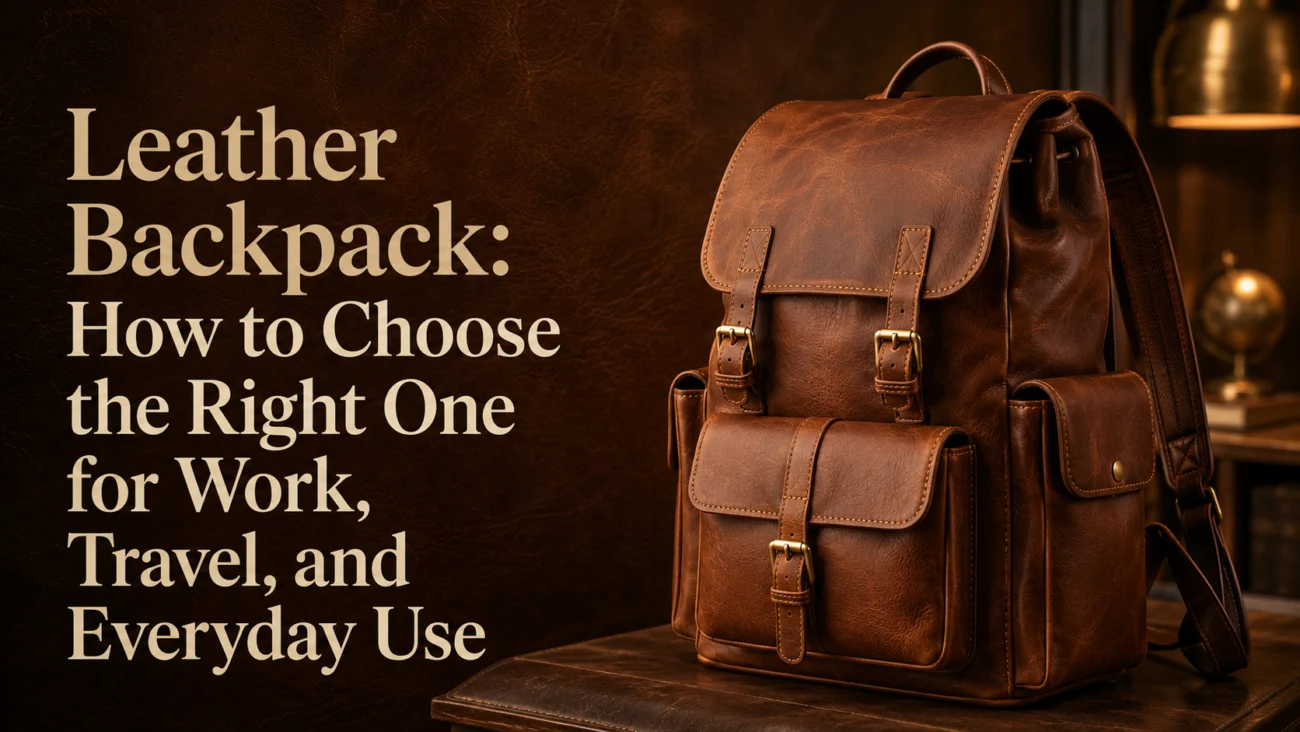
Leather Backpack: How to Choose the Right One for Work, Travel, and Everyday Use
Knowing how to choose a leather backpack comes down to a few honest questions: will it fit your laptop, sit comfortably on your shoulde...
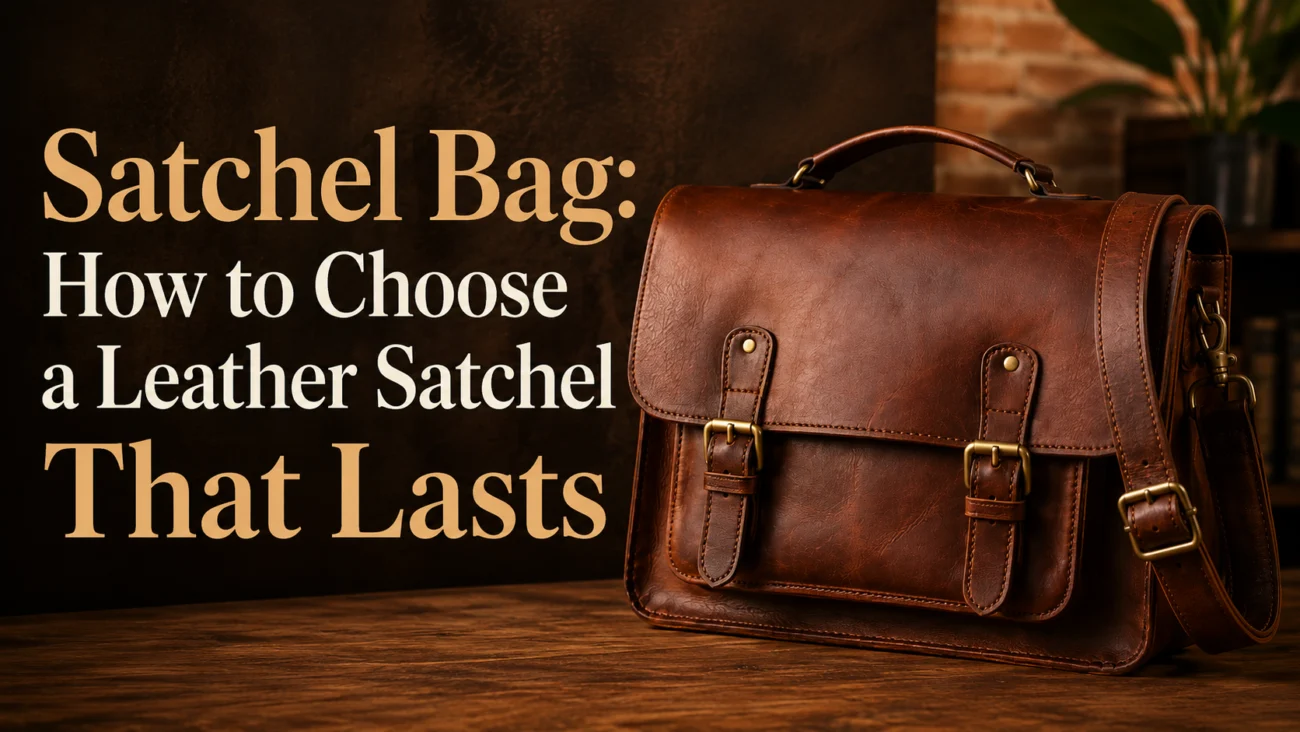
Satchel Bag: How to Choose a Leather Satchel That Lasts
A satchel bag is one of the most useful bags you can own, sitting neatly between a relaxed backpack and a formal briefcase — structured...

Leather Bag Men: Outfit Ideas and Styling Tips for Every Occasion
Finding the right leather bag men can confidently carry in any setting — from the boardroom to the weekend — is easier than most think....