Free Shipping Over $100 · Satisfaction Guarantee · Handcrafted by Artisans

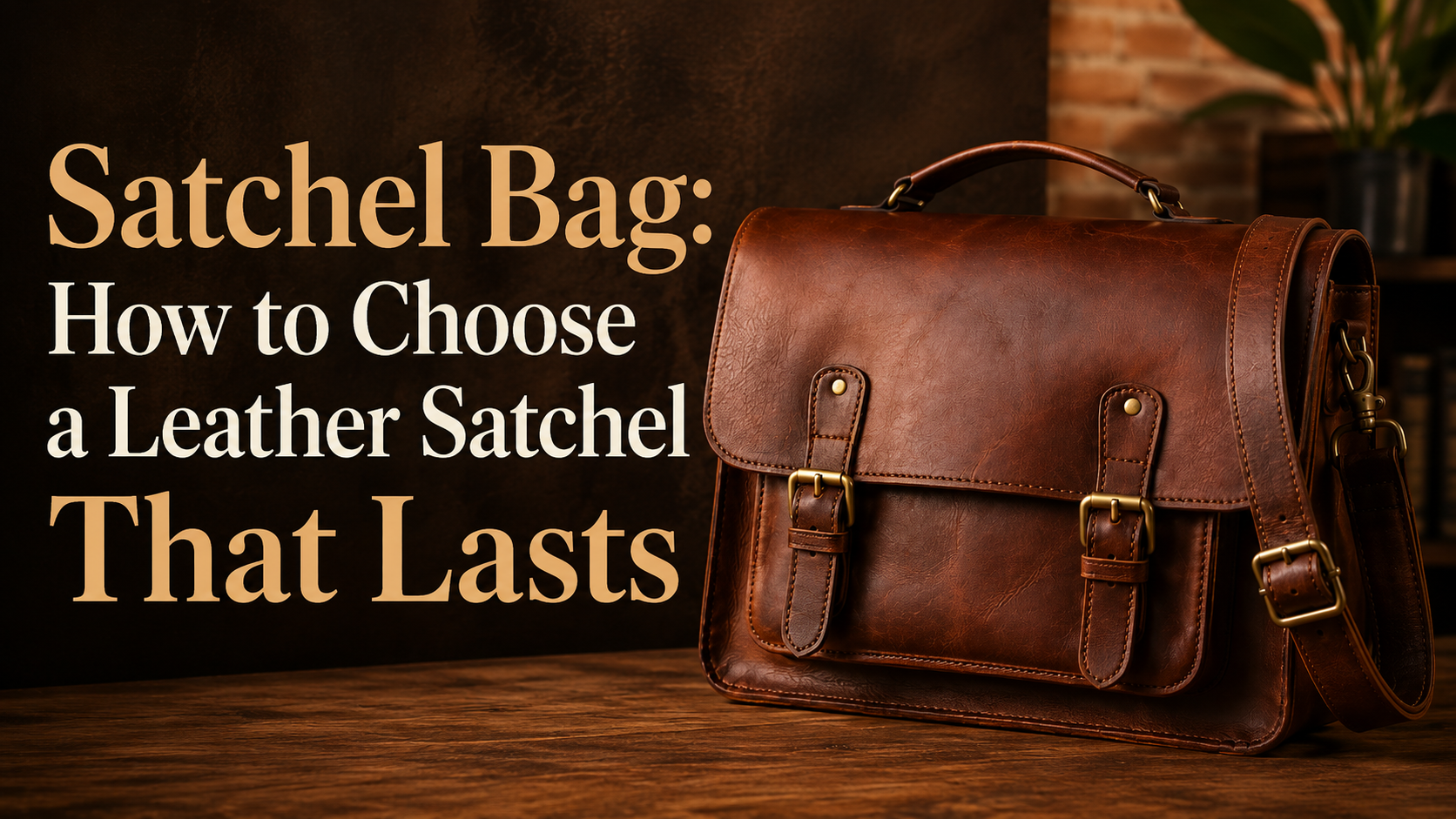
A satchel bag is one of the most useful bags you can own, sitting neatly between a relaxed backpack and a formal briefcase — structured, flap-front, and easy to carry across the body. If you want something that looks smarter than a backpack but feels less stuffy than a briefcase, a leather satchel is often the answer. But satchels vary widely in quality, size, and comfort, and the wrong one can be too small for a laptop or hard on a single shoulder. This guide covers what a satchel bag actually is, where it comes from, how it compares to other bags, and exactly how to choose one that lasts for years.
What Is a Satchel Bag?
A satchel bag is a soft-sided bag with a strap, traditionally used for carrying books, defined by a flap that folds over the top and fastens at the front. Unlike a briefcase, which is rigid and hard-sided, a satchel has a more relaxed structure while still holding its shape.
The strap is usually worn across the body, so the bag rests on the opposite hip and leaves your hands free. Most modern leather satchels also add short top handles, giving you a choice between a crossbody carry and a quick grab-and-go.
That flap-and-strap design is what separates a satchel from a tote or a plain shoulder bag. It is polished enough for the office, practical enough for daily errands, and flexible enough to move between both.
A Brief History of the Satchel Bag
The satchel has a longer history than most bags in your closet. Roman legionaries carried a leather shoulder bag called a loculus for rations and personal effects, an early ancestor of the modern satchel.
For centuries the satchel was the classic English schoolbag — Shakespeare even wrote of “the whining school-boy, with his satchel and shining morning face.” The traditional Oxford and Cambridge style, a simple pouch with a front flap, became the template that leather satchels still follow today.
Lightweight nylon backpacks pushed the satchel out of everyday student use in the late 1960s. Then, in the 2000s and 2010s, the satchel returned as a fashion staple, prized for exactly the qualities that made it practical in the first place. For a fuller picture of the classic student bag, see our guide to the leather book bag.
Satchel Bag vs Messenger Bag, Briefcase, and Backpack
Choosing the right bag starts with knowing how a satchel compares to its closest cousins. Each shines in a different situation, so match the bag to how you carry and how formal you need to look.
| Bag Type | Structure | Best For | Trade-Off |
|---|---|---|---|
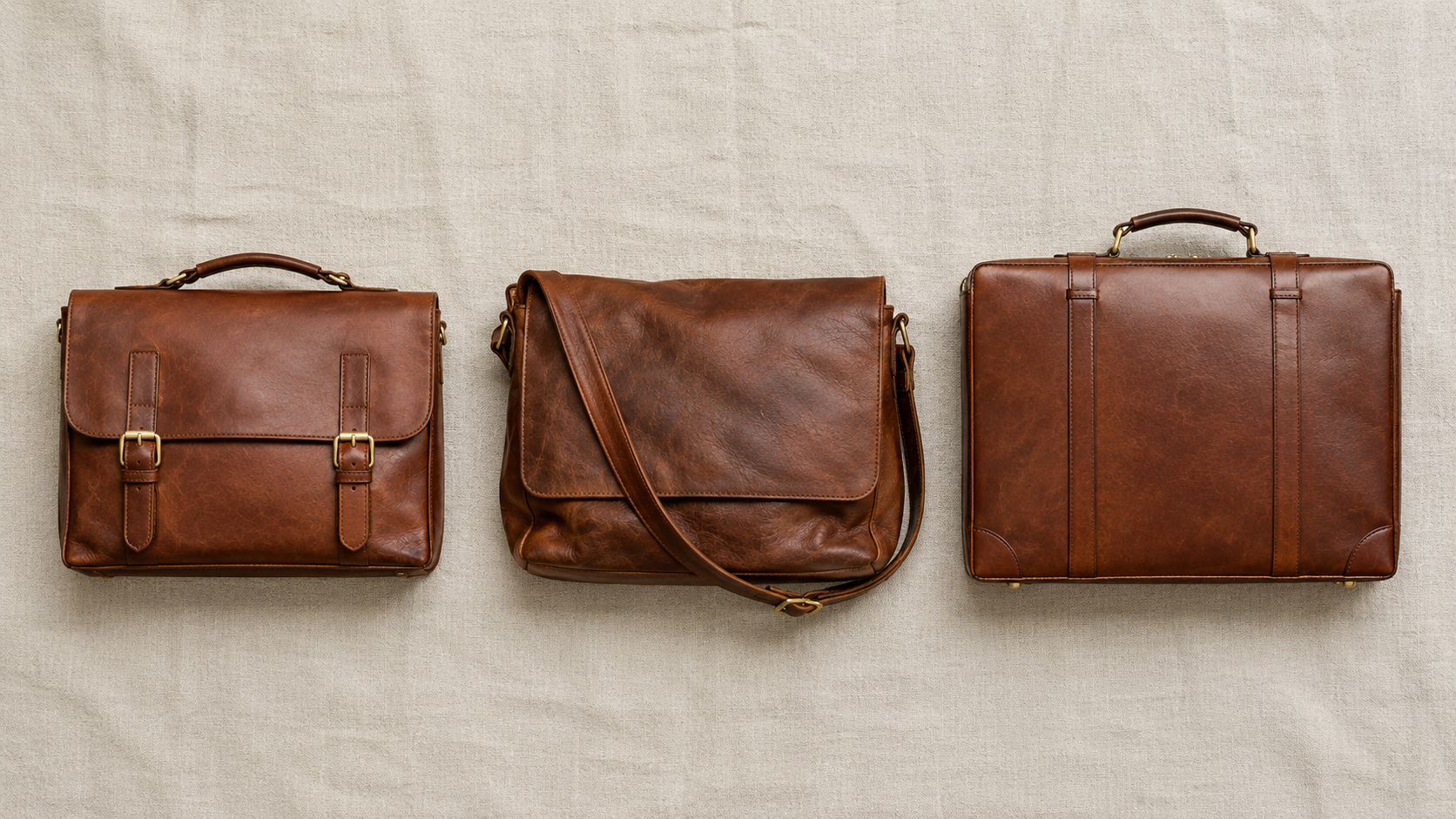
| Satchel bag | Structured, flap front, crossbody | Smart-casual daily carry, work, college | One shoulder under heavy loads |
| Messenger bag | Softer, larger, single strap | Commuting, bigger daily loads | Less formal, bulkier |
| Briefcase | Rigid, hard-sided | Formal offices, presentations | Heavier, less versatile |
| Backpack | Two straps, largest | Heavy loads, long walks | Most casual look |
A satchel splits the difference: more polished than a messenger bag, less stiff than a briefcase, and dressier than a backpack. If you carry a laptop plus a day’s worth of gear, our messenger bag vs briefcase comparison is worth a read, and if your loads are genuinely heavy, a backpack will be kinder to your shoulders.
Is a Satchel Bag Worth It, and Who Should Choose One?
A satchel bag is worth it if you want a structured everyday bag that looks smart, carries your essentials, and ages beautifully. A well-made full-grain leather satchel can last for many years with proper care, developing a rich patina that a synthetic bag never will.
It suits people who commute, work in a smart-casual office, study, or simply want one versatile bag for daily carry. It holds a laptop, notebook, wallet, phone, and the small things you reach for all day.
Be honest with yourself about load, though. Because a satchel hangs from a single shoulder, it is not the best choice for very heavy daily hauls or long walking commutes — for that, a two-strap bag spreads weight better. If your carry is moderate and you value looking put-together, the satchel is hard to beat.
What Size Satchel Bag Do You Need?
Size should follow your real daily carry, not the roomiest bag on the shelf. A satchel that is too big invites overpacking, which strains that single shoulder strap.
A compact satchel bag suits a phone, wallet, keys, and a tablet for light days. A medium satchel is the everyday sweet spot for work or college, holding a laptop, charger, and a notebook. A large satchel makes sense only if you routinely carry more and are comfortable with the extra weight on one side.
Match capacity to your routine and pack light. A smaller, well-organized satchel almost always beats a big one carried half-empty.
Laptop Fit: 13, 14, and 15-Inch Devices
If you carry a laptop, a padded or protected sleeve is essential rather than optional. A satchel without one leaves your device rattling against buckles and books.
Check the interior dimensions against your laptop’s real measurements before buying, since screen size alone does not tell you the footprint. A satchel built for a 13 to 14-inch machine covers most everyday needs, while a 15-inch device calls for a larger, laptop-specific design — our leather laptop bag collection is built around that protection.
Leather Quality: Full-Grain vs Top-Grain vs Genuine
The grade of leather decides how long your satchel bag survives daily use, so it is the first spec to check. The word “leather” on a tag tells you almost nothing on its own.
Full-grain leather keeps the hide’s natural surface intact, making it the strongest option and the one that ages into a beautiful patina. Top-grain is lightly sanded for a smoother, more uniform finish that trades some durability for a cleaner look. “Genuine leather” sounds premium but is one of the lower grades, so do not treat the label as a mark of quality.
| Leather Grade | Typical Lifespan | Look & Feel | Best For |
|---|---|---|---|
| Full-grain | 15-25+ years | Natural grain, develops patina | A satchel you keep for decades |
| Top-grain | 10-15 years | Smooth, uniform, corrected | A lighter, more formal finish |
| Genuine | 5-10 years | Coated, plasticky over time | Budget bags, short-term use |
For a satchel you will carry daily, choose full-grain. Our guides to leather types and what genuine leather really is explain the differences in depth, and every bag in our full-grain leather collection starts from that top layer of the hide.
Comfort: Strap Width, Adjustability, and Crossbody Carry
Comfort matters more on a satchel than on a two-strap bag because all the weight rides on one shoulder. A few details make the difference between a bag you forget you are wearing and one that digs in by lunchtime.
Look for a wide, adjustable strap that lets you set the bag at the right height and switch between shoulder and crossbody carry. A crossbody position spreads the load across your torso and keeps the bag secure and hands-free.
Keep the contents sensible, too. Even the best strap struggles under an overpacked bag, so carry what you need and let the satchel do its job comfortably.
Organization, Hardware, and Closures
Inside details and hardware are where a satchel proves its quality, so inspect them closely before buying. These are the parts that fail first on a cheap bag.
A useful layout includes a protected laptop or tablet slot, a zip pocket for valuables, a front pocket for quick-reach items, and room for documents. You want enough organization for your real essentials without a heavy maze of compartments.
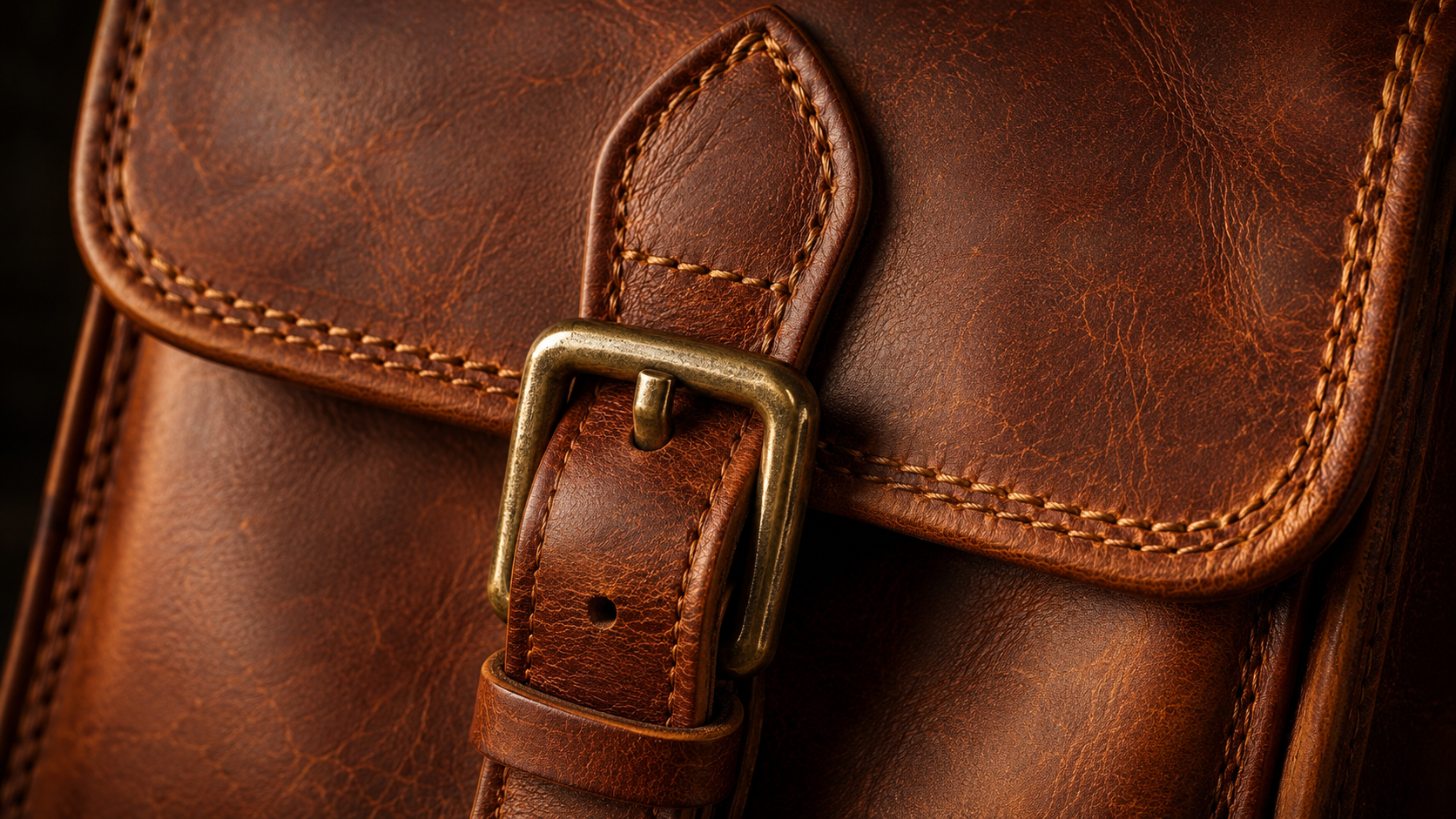
Choose solid brass hardware over thin plated metal that flakes, and check for tight, even, double stitching at the strap anchors and base. Closures come down to preference: magnetic snaps are fast for frequent access, while buckle straps look classic and vintage but slow you down. Full-grain satchels in our leather satchel collection balance clean organization with hardware built to last.
Best Colors for a Satchel Bag
Color decides how versatile your satchel is, so pick one that works across your wardrobe and setting. The classics stay classic for a reason.
Brown, tan, and cognac are the most flexible, moving easily from office to weekend and showing patina beautifully over time. Black reads sharpest in formal and corporate settings. If you want something with more personality, a deep green or oxblood satchel stands out without clashing.
For a full breakdown of how shade affects styling and aging, see our guide to choosing a leather bag color. For a first satchel that has to do everything, a mid-brown or cognac full-grain is the safest, most versatile pick.
Choosing and Styling a Satchel Bag by Use Case
The right satchel depends on what you carry it for, so match the bag to the job and the outfit. The same bag that looks perfect with a blazer can feel oversized for quick errands.
For work, a structured satchel in a professional color keeps you polished at the desk and on the commute. For college, capacity and strap comfort matter most, which we cover in our roundup of leather bags for college. For smart-casual style, a vintage-look satchel dresses up jeans effortlessly — our guide on how to style a leather bag has more ideas.
| Buyer Need | Best Satchel Type | What to Check First |
|---|---|---|
| Office work | Structured leather satchel | Laptop fit, professional color |
| College | Medium leather satchel | Capacity, strap comfort, durability |
| Daily carry | Compact leather satchel | Weight, pocket layout, easy access |
| Smart casual | Vintage leather satchel | Color, flap shape, hardware |
| Laptop carry | Leather laptop satchel | Padded compartment, reinforced strap |
Whether you shop a men’s or women’s satchel, the advice is the same: choose by size, strap length, color, and use case rather than a label, since a full-grain satchel suits anyone. Our broader buyer’s guide to leather bags applies the same logic across every style.
How to Care for a Leather Satchel
Caring for a leather satchel is simple and it directly extends the bag’s life. A few minutes now and then keeps full-grain looking its best for years.
Wipe it down regularly with a soft, dry or slightly damp cloth, and give it a deeper clean a couple of times a year using the method in our guide to cleaning leather. Condition it every few months to keep the leather supple and prevent cracking, as we explain in how to condition leather.
Leather is not waterproof; it can resist light moisture when properly treated, but it should never be treated as rainproof. If your satchel gets wet, wipe off the moisture, let it air dry away from direct heat, then re-condition it.
Common Mistakes When Buying a Satchel
A few avoidable errors turn a good purchase into a regret, so watch for them before you buy. Most come down to prioritizing looks over how you actually carry.
Buying too big is the most common: an oversized satchel invites overpacking and punishes your shoulder. Ignoring the grade is next, since a bargain “genuine leather” bag often cracks within a year or two. Finally, overlooking the strap and hardware leaves you with a bag that looks fine but fails at the seams. Check grade, size, strap, and stitching first, and the style will take care of itself.
Frequently Asked Questions
What is a satchel bag?
A satchel bag is a soft-sided bag with a strap and a front flap that folds over the top, traditionally used for carrying books. It is usually worn across the body and often adds short top handles. A satchel sits between a briefcase and a messenger bag — more structured than a shoulder bag, but softer than a rigid briefcase.
Is a satchel bag good for a laptop?
Yes, as long as it has a padded or protected compartment sized for your device. Look for a satchel that specifies laptop compatibility and check the interior dimensions against your laptop’s real measurements before buying. A 13 to 14-inch satchel suits most everyday needs, while a 15-inch machine calls for a larger, laptop-specific design.
What is the difference between a satchel and a messenger bag?
A satchel is more structured and formal, with a flap front and often top handles, while a messenger bag is softer, usually larger, and more casual. Satchels suit smart-casual and work settings; messenger bags handle bigger, heavier daily loads. Both are typically worn crossbody, but the satchel looks the more polished of the two.
Are leather satchels worth it?
Yes, if you want a durable, versatile bag that looks smart and ages well. A well-made full-grain leather satchel can last for many years with proper care and works across work, college, and everyday carry. The main trade-off is that a single strap is less comfortable than a backpack under very heavy loads.
Are satchel bags just for one gender?
No. A full-grain satchel suits anyone, and the styling differences between “men’s” and “women’s” bags come down to size, proportion, strap length, and color rather than quality. Choose a satchel that fits your frame, carries what you need, and matches your wardrobe, regardless of how it is labeled.
Your Satchel Bag Buying Checklist
Choosing a satchel bag comes down to matching quality and size to how you actually live. Confirm the leather is full-grain, the bag fits your laptop, the strap is wide and adjustable, the hardware is solid brass, and the stitching is tight and doubled at the stress points. Pick a versatile color you will reach for daily, and size the bag to your real carry rather than the largest option on the shelf.
Get those right and you end up with a satchel that looks better every year and carries you smoothly from the office to the weekend. When you are ready to see full-grain options built to that standard, explore our handcrafted collection.
Related posts

Leather Messenger Bag for Women: The Complete Guide
A leather messenger bag for women is the rare bag that carries a laptop to a meeting, a notebook to a café, and your everyday essential...

How to Choose a Leather Laptop Bag: A Buyer’s Guide
Knowing how to choose a leather laptop bag comes down to five decisions: the right bag type, the right size, the right leather grade, r...

Leather Camera Bag: The Complete Buyer’s Guide
A leather camera bag is where photography gear meets everyday style — a way to protect your camera and lens without carrying something ...

Leather Saddle Bag: The Complete Guide
A leather saddle bag is the curved-flap crossbody handbag that has quietly become a modern classic — named for its horseback origins, b...

Leather Hobo Bag: The Complete Guide
A leather hobo bag is the soft, slouchy shoulder bag that never really goes away — the one that molds to your body, swallows your daily...

Oxblood Leather: What Color It Is and How to Style It
Oxblood leather is a deep, dark red leather with rich brown and subtle purple undertones — one of the most versatile and quietly luxuri...