Free Shipping Over $100 · Satisfaction Guarantee · Handcrafted by Artisans


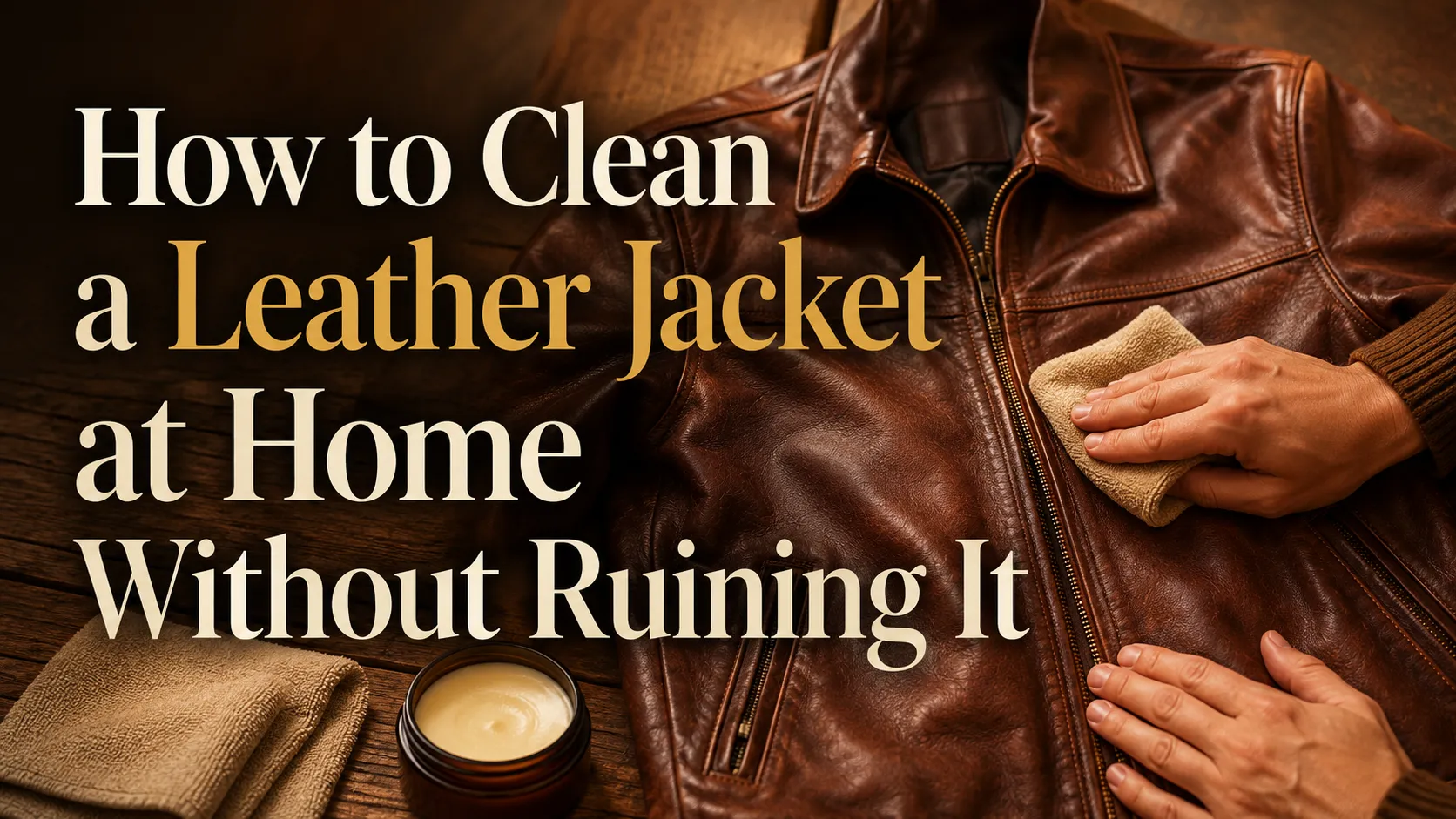
Knowing how to clean a leather jacket at home is simple once you understand one rule: leather should never be soaked, scrubbed, or thrown in the wash. A leather jacket is one of the hardest-working leather pieces you own — it collects body oils at the collar and cuffs, rain spots, and everyday grime — but the right method keeps it supple and looking sharp for decades. This guide walks you through exactly how to clean a leather jacket safely, remove common stains, condition and store it, and avoid the mistakes that ruin leather for good.
Can You Wash a Leather Jacket?
No — you should never machine wash a leather jacket or fully submerge it in water. A washing machine’s agitation and soaking will strip the natural oils, warp the shape, and leave the leather stiff, cracked, or discolored once it dries.
The correct approach is spot cleaning by hand. You clean the surface with a barely-damp cloth and a gentle solution, never letting water soak in. This removes dirt and oils without disturbing the leather’s finish or structure.
The only exception is a garment explicitly labeled machine-washable, which is usually faux or coated leather rather than genuine hide. When in doubt, treat your jacket as hand-clean only.
What You’ll Need
Gathering the right supplies first makes the job quick and safe. None of it is expensive, and most you may already own.
You will want two soft microfiber cloths, lukewarm water, a mild leather cleaner or a small amount of gentle liquid soap, a leather conditioner, and a soft brush for seams. Skip the household stuff entirely — no dish soap, bleach, baby wipes, or all-purpose sprays, all of which damage leather.
Always test any cleaner on a hidden spot first, such as an inner hem, and wait a few minutes to check for darkening before treating the whole jacket.
How to Clean a Leather Jacket, Step by Step
Cleaning a leather jacket takes just a few careful steps. Work gently and let the leather guide your pressure.
- Empty the pockets and wipe down. Brush off loose dust and dirt with a dry cloth so you are not grinding grit into the surface.
- Mix a mild solution. Add a few drops of gentle soap or leather cleaner to lukewarm water. You want it barely soapy, not sudsy.
- Dampen, don’t soak. Dip a microfiber cloth, then wring it out until it is only slightly damp. Wipe in gentle, circular motions, section by section.
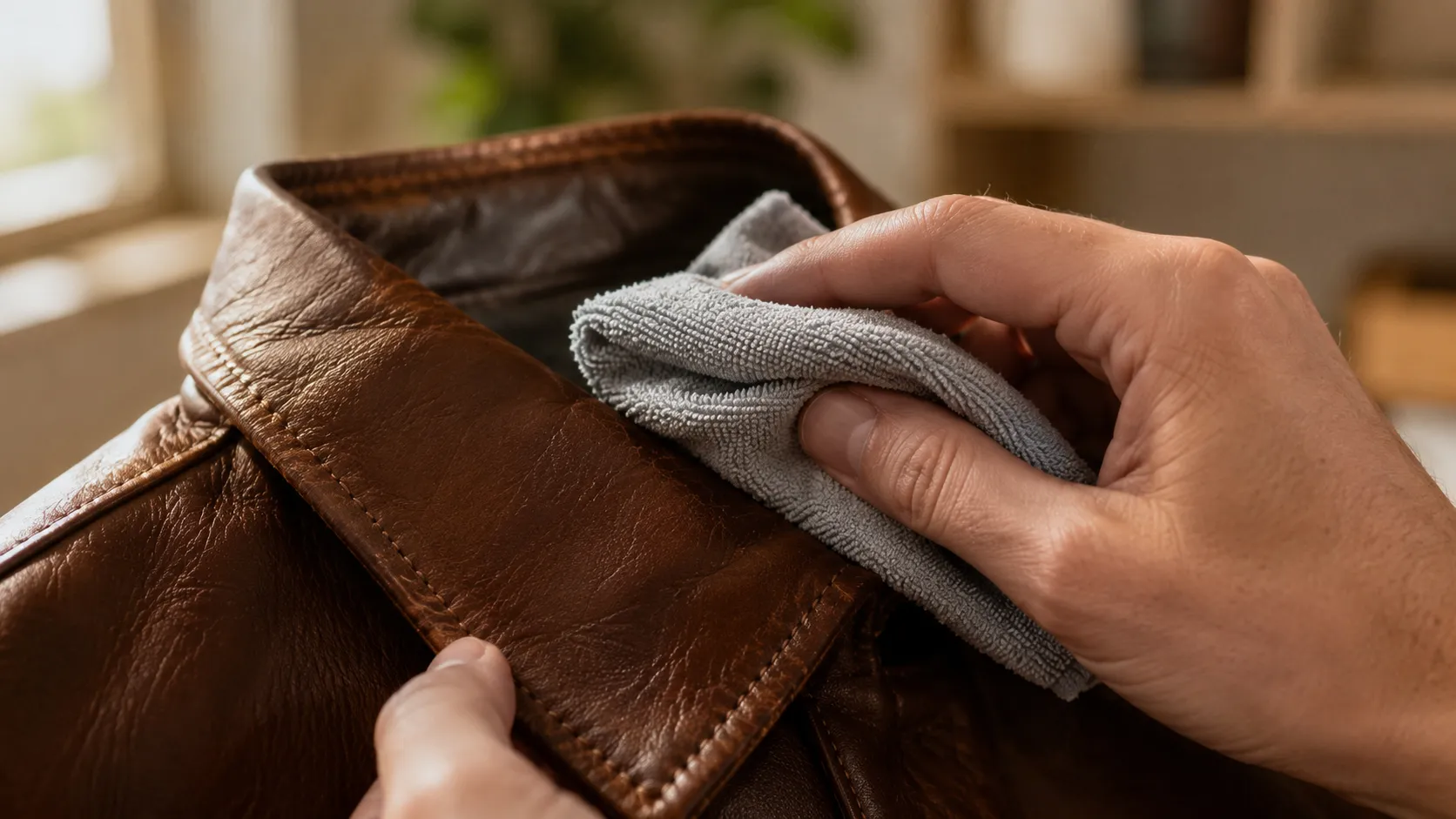
- Focus on grime zones. Give extra attention to the collar, cuffs, and underarms, where body oils build up most.
- Wipe away residue. Follow immediately with a second cloth dampened with clean water to lift any soap.
- Air dry. Let the jacket dry naturally on a padded hanger, away from heat and direct sun.
Once the jacket is clean and fully dry, it is ready to condition. Our general guide to cleaning leather covers the same principles across bags, shoes, and furniture.
How to Remove Stains from a Leather Jacket
Different stains need different treatment, so match the method to the mark. Act promptly, and always blot rather than rub, which pushes the stain deeper.
For oil or grease, blot up the excess, then sprinkle cornstarch or baking soda over the spot and leave it for a few hours to draw the oil out before brushing it away. For water spots, wipe the whole panel with a barely-damp cloth so it dries evenly rather than leaving a ring. For ink or tougher marks, it is safer to see a leather professional than to risk a home solvent. For winter salt stains that leave white marks, wipe gently with a barely-damp cloth and a dedicated leather cleaner, then condition once dry. For makeup or grease on the collar, the cornstarch method above works well.
For a deeper look at treating specific marks, our leather stain removal guide breaks down the most common stains and fixes.
How to Clean the Lining
The lining takes on sweat and odor even when the outer leather still looks clean, so give it attention too. Most linings are fabric and can handle a little more moisture than the hide.
Turn the jacket inside out if you can, and wipe a fabric lining with a cloth dampened in mild soapy water, working from the top down. Take care around the seams where the lining meets the leather, keeping moisture off the hide itself. Let the lining air dry completely before turning the jacket back and conditioning the exterior.
How to Condition a Leather Jacket
Cleaning removes oils, so conditioning afterward is what keeps the leather supple and prevents the drying and cracking that ends most jackets’ lives early. Think of it as moisturizing the hide.
Apply a small amount of leather conditioner to a clean, dry cloth and rub it into the jacket in thin, even circles. Let it absorb for a few minutes, then buff off any excess with a fresh cloth. Condition a regularly worn jacket every three to six months, and at least twice a year otherwise.
Less is more here — over-conditioning clogs the pores and leaves a tacky film. Our guide to conditioning leather explains how to judge the right amount.
A Simple Leather Care Schedule
Keeping to a light routine prevents the buildup that forces a heavy clean later. Here is a simple rhythm to follow.
| How Often | What to Do |
|---|---|
| After each wear | Wipe off dust with a dry cloth; air out before storing |
| Monthly | Check for stains and spot clean the collar and cuffs |
| Every 3-6 months | Deep clean and condition |
| Before off-season storage | Clean, condition, and store on a padded hanger |
Following this keeps the leather supple and stops small problems from becoming permanent ones.
How to Store a Leather Jacket
Proper storage protects a leather jacket between wears and over the off-season, so it keeps its shape and finish. The enemies are heat, damp, and being crushed.
Hang it on a wide, padded hanger that supports the shoulders, never a thin wire one that creates bumps. Keep it in a cool, dry place out of direct sunlight, and let it breathe — use a cloth garment bag rather than plastic, which traps moisture and can cause mildew. Give it a little space in the closet so the leather is not compressed against other garments.
Before long-term storage, always clean and condition the jacket first, so oils and grime do not set in while it sits.
Signs Your Jacket Needs Cleaning or Conditioning
Leather tells you when it needs attention, so watch for a few simple cues. Catching them early keeps maintenance quick and easy.
Visible grime or a darkened, shiny patch at the collar and cuffs means it is time to spot clean. If the leather feels dry, looks dull, or shows fine surface lines when you flex it, it is asking to be conditioned. A musty smell after storage means it needs to air out. Acting on these signs early takes only minutes, while ignoring them lets dryness and staining set in, which is far harder to reverse later.
Should You Use a Professional Leather Cleaner?
Most routine cleaning is easy to do at home, but some jobs are worth handing to a specialist. Knowing when to do so saves you from a costly mistake.
See a professional for deep-set stains, ink, mold, heavy odor, or a valuable or vintage jacket you cannot risk damaging, since specialists have solvents and finishing products that are not safe for home use. For everyday dust, light grime, and the occasional spill, though, the home method above is all most jackets ever need.
Common Leather Jacket Care Mistakes
A few avoidable errors cause most of the damage people see on leather jackets. Steer clear of these and your jacket will age gracefully.
Never machine wash or soak a jacket, never dry it with a hairdryer, radiator, or in direct sun, and never use household cleaners, bleach, or baby wipes. Avoid over-conditioning, which leaves a sticky, dust-attracting film, and do not store leather in plastic, which traps moisture. Finally, do not ignore small spots — a quick wipe now prevents a set-in stain later.
Leather is also not waterproof, so if your jacket gets caught in the rain, let it air dry naturally and re-condition it afterward. Our guide on keeping leather protected from water has more.
Cleaning Faux and Suede Leather Jackets
Not every “leather” jacket is cleaned the same way, so identify your material first. Faux and suede jackets follow different rules.
Faux (synthetic) leather is more water-tolerant and can usually be wiped with a damp, soapy cloth, but it should still never be conditioned with products meant for real hide. Suede jackets are the most delicate of all — never use water or standard leather cream on them. Instead, use a dedicated suede brush and a suede protector spray, working with the nap.
If you are unsure whether your jacket is genuine leather, the checks in our guide on how to tell if leather is real will help you identify it before you clean.
Frequently Asked Questions
Can you wash a leather jacket in a washing machine?
No. Machine washing soaks and agitates the leather, stripping its oils and leaving it stiff, misshapen, and cracked once dry. Genuine leather should only ever be spot cleaned by hand with a barely-damp cloth and a gentle cleaner. The rare exception is a garment specifically labeled machine-washable, which is almost always faux or coated leather, not real hide.
How often should you clean a leather jacket?
Wipe your jacket down with a dry cloth regularly to remove surface dust, and do a gentle spot clean whenever you see grime building at the collar and cuffs — for most people, a few times a year. Condition it every three to six months if worn often. Over-cleaning is as risky as neglect, so clean only when the jacket actually needs it.
Can I use olive oil or vinegar on a jacket?
It is best to avoid both. Olive oil and other food oils can go rancid and darken leather permanently, while vinegar is acidic and can dry out or dull the finish over time. Stick to products made for leather — a proper leather cleaner and conditioner are inexpensive and far safer than kitchen remedies.
How do you get a smell out of a jacket?
Air the jacket out in a shaded, breezy spot for a day or two first. For lingering odors, place it in a breathable garment bag with an open box of baking soda nearby, never directly on the leather. Avoid spraying perfume or fabric refreshers directly onto the hide, as these can stain. Conditioning after cleaning also helps refresh the leather.
Does a jacket need conditioning after every clean?
Yes, ideally. Cleaning lifts away dirt but also some of the leather’s natural oils, so a light conditioning afterward restores suppleness and prevents cracking. Use a thin, even layer and buff off the excess. You do not need to condition after a quick dry wipe-down, only after a wet spot clean or when the leather starts to feel dry.
Keep Your Leather Jacket Looking Its Best
Cleaning a leather jacket the right way comes down to a gentle touch: spot clean with a barely-damp cloth, blot stains instead of rubbing, condition a few times a year, and store it on a padded hanger somewhere cool and dry. Avoid the machine, the hairdryer, and the household cleaners, and your jacket will only look better with age.
The same care that protects a jacket protects every leather piece you own. If you appreciate leather built to last — including our handcrafted burgundy and navy blue leather bomber jackets — a little regular care is what keeps it looking its best for decades.
Related posts
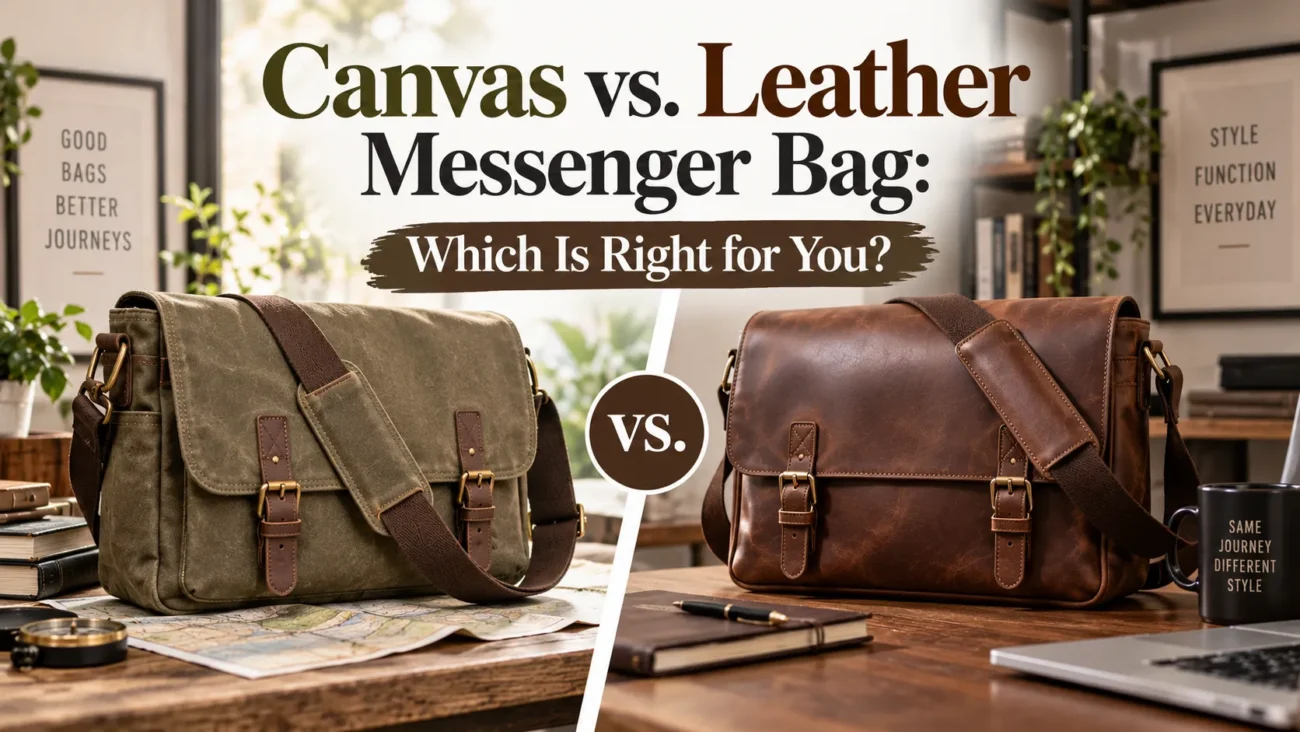
Canvas vs. Leather Messenger Bag: Which Is Right for You?
Choosing between a canvas vs leather messenger bag comes down to a few honest trade-offs: weight, cost, durability, weather resistance,...
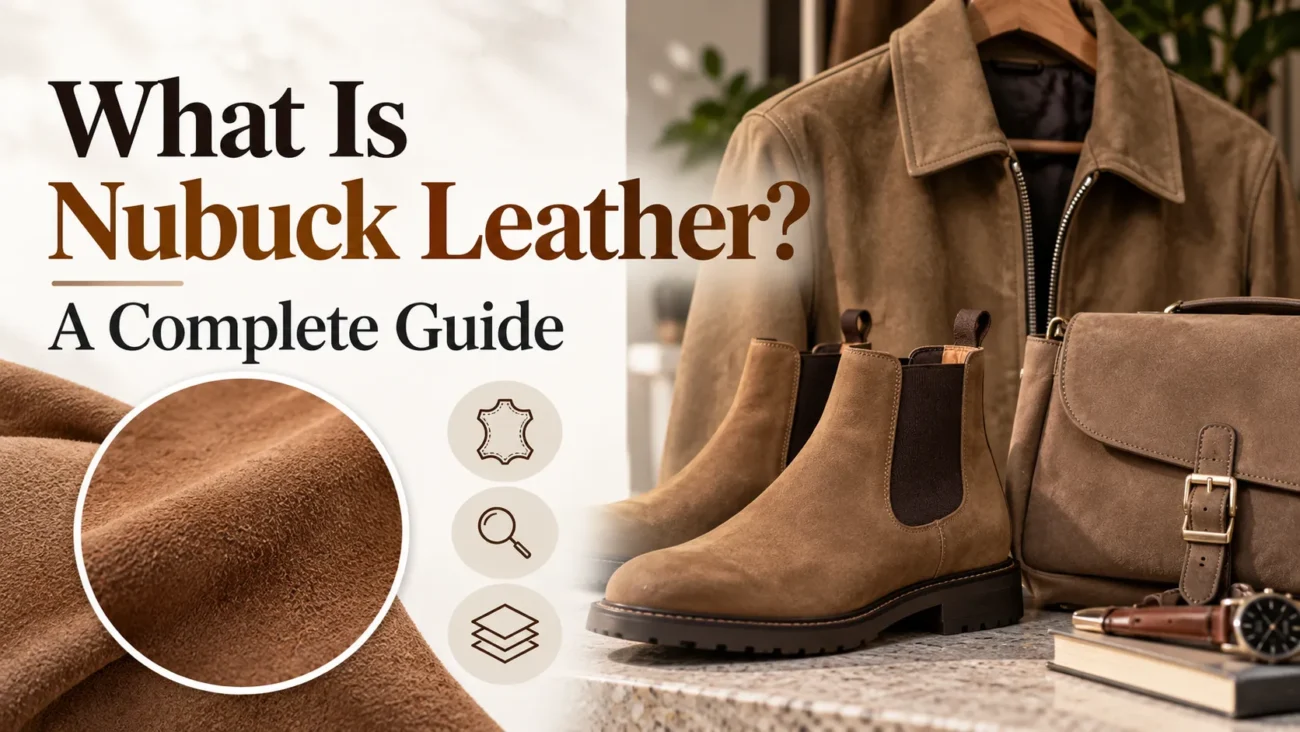
What Is Nubuck Leather? A Complete Guide
Nubuck leather is top-grain leather that has been sanded on its outer surface to create a soft, velvety nap — a material that looks and...

Fringe Crossbody Bag: The Complete Style Guide
A fringe crossbody bag is the piece that adds movement to an outfit — a hands-free bag trimmed with swaying leather or suede tassels th...

Leather Messenger Bag for Women: The Complete Guide
A leather messenger bag for women is the rare bag that carries a laptop to a meeting, a notebook to a café, and your everyday essential...

How to Choose a Leather Laptop Bag: A Buyer’s Guide
Knowing how to choose a leather laptop bag comes down to five decisions: the right bag type, the right size, the right leather grade, r...

Leather Camera Bag: The Complete Buyer’s Guide
A leather camera bag is where photography gear meets everyday style — a way to protect your camera and lens without carrying something ...